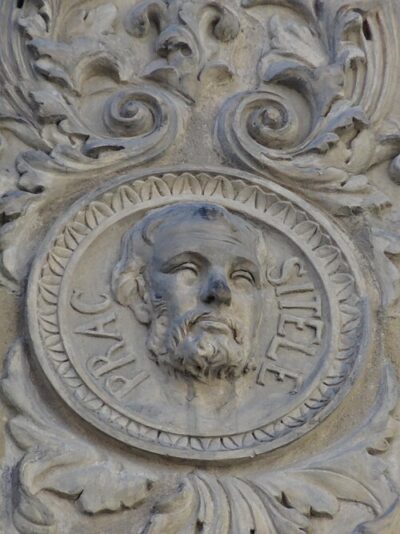
Aphrodite of Knidos
Aphrodite of Knidos is a lost sculpture by the Greek sculptor Praxiteles of Athens. It is based on Venus Pudica.
- Came out
- 300s BC
- Created by
- Praxiteles
- Genre
- nude
All 9 facts, and where they come from
Facts
9 facts · 0 confirmed by two sources · 2 cited · 7 from one source
Where this comes from
Papalocal keeps its own record. It started from these sources; what each one said is kept here as it was copied, so a change on their side never changes this page by itself. Tap one to read its version.
What Wikidata says · copied November 17, 2026 · revision 2569275339
- Described as
- lost sculpture by the Greek sculptor Praxiteles of Athens
- Other names
- Venus Pudica, Aphrodite of Cnidus; Venus Pudica, Aphrodite of Knidos (Aphrodite of Cnidus; Venus Pudica)
- What it is
- lost sculpture; cult image; agalma
- Created by
- Praxiteles · 1 reference
- Genre
- nude; mythological sculpture
- Based on
- Venus Pudica
- Came out
- 300s BC · 1 reference
- Named after
- Aphrodite
- Wikipedias with a page
- 33
Wikidata item Q618535 (wikidata.org/wiki/Q618535), public domain (CC0). Copied 2026-11-17.
What Wikipedia says · copied November 17, 2026 · revision 1377372091
The Aphrodite of Knidos (or Cnidus) was an Ancient Greek sculpture of the goddess Aphrodite created by Praxiteles of Athens around the 4th century BC. It was one of the first life-sized representations of the nude female form in Greek history, displaying an alternative idea to male heroic nudity. Praxiteles' Aphrodite was shown nude, reaching for a bath towel while covering her pubis, which, in turn leaves her breasts exposed. Up until this point, Greek sculpture had been dominated by male nude figures. The original Greek sculpture is no longer in existence; however, many Roman copies survive of this influential work of art. Variants of the Venus Pudica (suggesting an action to cover the breasts) are the Venus de' Medici and the Capitoline Venus.
From the Wikipedia article “Aphrodite of Knidos” (en.wikipedia.org/wiki/Aphrodite_of_Knidos), by its contributors, under CC BY-SA 4.0 (creativecommons.org/licenses/by-sa/4.0/). Copied 2026-11-17; not changed.
Confirmed Two sources agree. Cited One source, and it names where it got it. One source One source, without a reference of its own. Sources disagree The sources disagree. We show the best-supported value and keep theirs below.
Picture: Wikimedia Commons: Cnidus Aphrodite Altemps Inv8619.jpg · See Commons file page