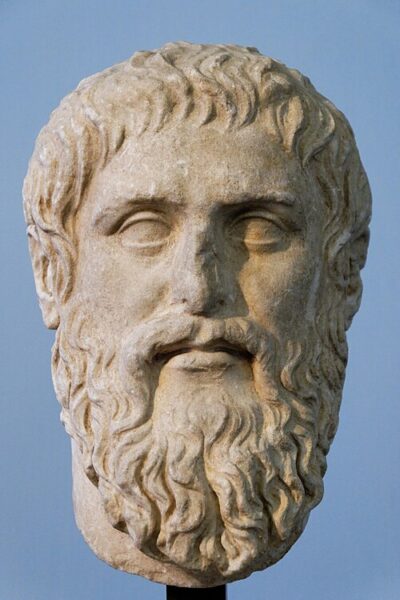
Apology
Apology is a work by Plato. It is part of Platonic dialogue.
- Published
- 390s BC
- Written by
- Plato
- Genre
- apologia
All 9 facts, and where they come from
Facts
9 facts · 0 confirmed by two sources · 0 cited · 9 from one source
Where this comes from
Papalocal keeps its own record. It started from these sources; what each one said is kept here as it was copied, so a change on their side never changes this page by itself. Tap one to read its version.
What Wikidata says · copied November 17, 2026 · revision 2537083040
- Described as
- work by Plato
- Other names
- The Apology of Socrates, Plat. Apol., Apologia Socratis
- What it is
- written work; Platonic dialogue; apologia
- Written by
- Plato
- Genre
- apologia · 1 reference; Socratic dialogue
- Published
- 390s BC
- Language
- Ancient Greek
- Part of the series
- Platonic dialogue · 1 reference
- Wikipedias with a page
- 62
Wikidata item Q273668 (wikidata.org/wiki/Q273668), public domain (CC0). Copied 2026-11-17.
What Wikipedia says · copied November 17, 2026 · revision 1382268773
The Apology of Socrates (Ancient Greek: Ἀπολογία Σωκράτους, Apología Sokrátous; Latin: Apologia Socratis), written by Plato, is a Socratic dialogue of the speech of legal self-defence which Socrates (469–399 BC) spoke at his trial for impiety and corruption in 399 BC.
Specifically, the Apology of Socrates is a defense against the charges of "corrupting the youth" and "not believing in the gods in whom the city believes, but in other daimonia that are novel" to Athens (24b).
Among the primary sources about the trial and death of the philosopher Socrates, the Apology of Socrates is the dialogue that depicts the trial, and is one of four Socratic dialogues, along with Euthyphro, Phaedo, and Crito, through which Plato details the final days of the philosopher Socrates. There are debates among scholars as to the reliability of the Apology's account of the trial.
From the Wikipedia article “Apology (Plato)” (en.wikipedia.org/wiki/Apology_(Plato)), by its contributors, under CC BY-SA 4.0 (creativecommons.org/licenses/by-sa/4.0/). Copied 2026-11-17; not changed.
Confirmed Two sources agree. Cited One source, and it names where it got it. One source One source, without a reference of its own. Sources disagree The sources disagree. We show the best-supported value and keep theirs below.
Picture: Wikimedia Commons: Socrates Louvre.jpg · See Commons file page