
Arthur C. Clarke Award
Arthur C. Clarke Award is an Award for best SF novel published in the UK in the previous year. It was created in 1987. It is given by the British Science Fiction Association.
- Given by
- British Science Fiction Association
- Country
- United Kingdom
- Created
- 1987
All 7 facts, and where they come from
Facts
7 facts · 0 confirmed by two sources · 0 cited · 7 from one source
Where this comes from
Papalocal keeps its own record. It started from these sources; what each one said is kept here as it was copied, so a change on their side never changes this page by itself. Tap one to read its version.
What Wikidata says · copied November 16, 2026 · revision 2549205352
- Described as
- Award for best SF novel published in the UK in the previous year
- What it is
- literary award; science fiction award
- Created
- 1987
- Country
- United Kingdom
- Given by
- British Science Fiction Association
- Named after
- Arthur C. Clarke
- Official website
- https://www.clarkeaward.com/
- Wikipedias with a page
- 25
Wikidata item Q708830 (wikidata.org/wiki/Q708830), public domain (CC0). Copied 2026-11-16.
What Wikipedia says · copied November 16, 2026 · revision 1384755710
The Arthur C. Clarke Award is a British award given for the best science fiction novel first published in the United Kingdom during the previous year. It is named after British author Arthur C. Clarke, who gave a grant to establish the award in 1987. The book is chosen by a panel of judges from the British Science Fiction Association, the Science Fiction Foundation, and a third organisation, which as of 2019 is the Sci-Fi-London film festival. The award has been described as "the UK's most prestigious science fiction prize".
Any "full-length" science fiction novel written or translated into English is eligible for the prize, provided that it was first published in the United Kingdom during the prior calendar year. There is no restriction on the nationality of the author, and the publication history of works outside the United Kingdom is not taken into consideration. Books may be submitted for consideration by their publishing company, and, beginning in 2016, self-published titles have been eligible with certain qualifications. An official call for entries is issued to UK publishers every year and members of the judging panel and organisation committee also actively call in titles they would like to see submitted. A title must be actively submitted in order to be considered. The judges form a shortlist of six works that they feel are worthy of consideration, from which they select a winning book. The winner receives an engraved bookend and a prize consisting of a number of pounds sterling equal to the current year, such as £2012 for the year 2012. Prior to 2001, the award was £1000.
During the 40 nomination years, 166 authors have had works nominated, 36 of whom have won. China Miéville has won three times, while Pat Cadigan and Geoff Ryman have won twice each; no other author has won multiple times. Stephen Baxter and Gwyneth Jones have the most nominations, at seven each, and Baxter has the most nominations without winning. Neal Stephenson has won once out of six nominations; Ken MacLeod and Kim Stanley Robinson have also been nominated six times. Paul J. McAuley and Miéville have been nominated five times; McAuley has one win, whereas MacLeod and Robinson have none.
From the Wikipedia article “Arthur C. Clarke Award” (en.wikipedia.org/wiki/Arthur_C._Clarke_Award), by its contributors, under CC BY-SA 4.0 (creativecommons.org/licenses/by-sa/4.0/). Copied 2026-11-16; not changed.
Confirmed Two sources agree. Cited One source, and it names where it got it. One source One source, without a reference of its own. Sources disagree The sources disagree. We show the best-supported value and keep theirs below.
People connected 9
Won it
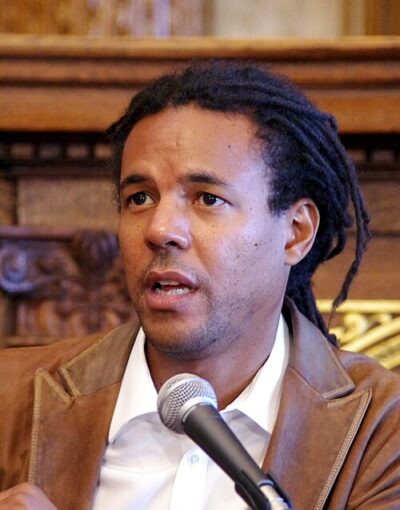 Colson Whitehead (2017)American novelist (born 1969)
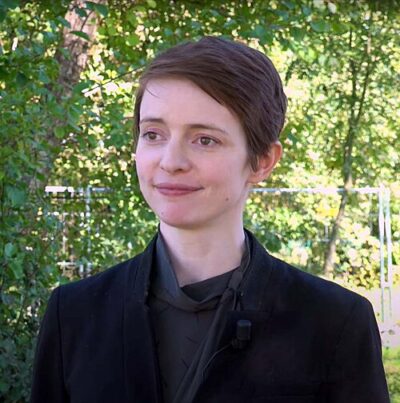 Emily St. John Mandel (2015)Canadian writer (born 1979)
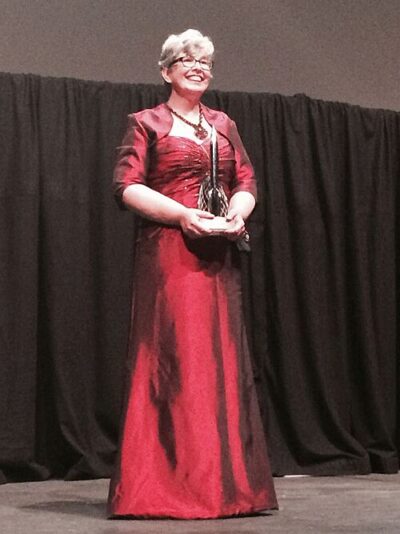 Ann Leckie (2014)American science-fiction author
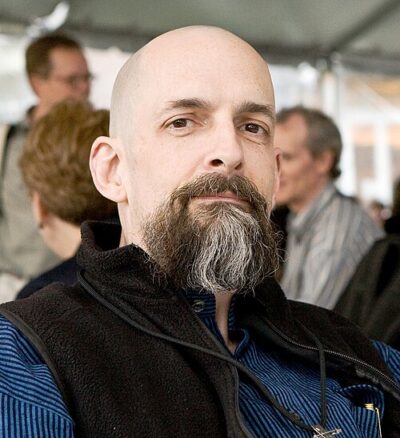 Neal Stephenson (2004)American science fiction writer (born 1959)
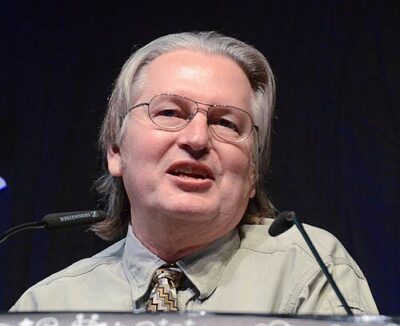 Bruce Sterling (2000)American author, speaker and futurist (born 1954)
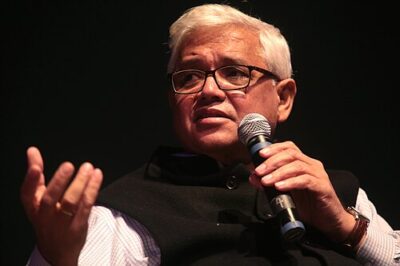 Amitav Ghosh (1997)Indian writer
- MMarge Piercy (1993)American novelist and poet (born 1936)
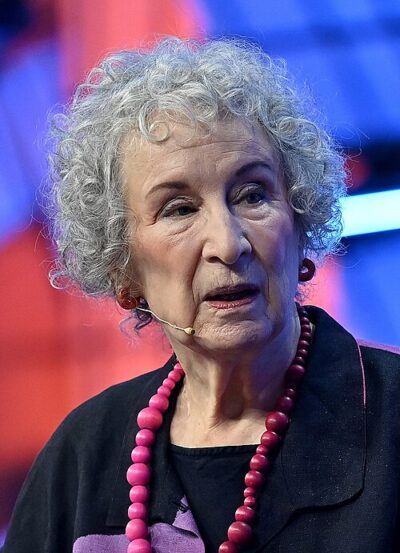 Margaret Atwood (1987)Canadian poet, novelist, literary critic, essayist, teacher, environmental activist, pépiniériste and inventor (born 1939)
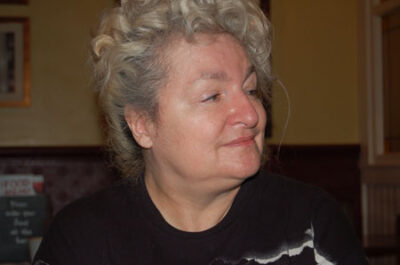 Pat CadiganAmerican science fiction author
