At the Mountains of Madness
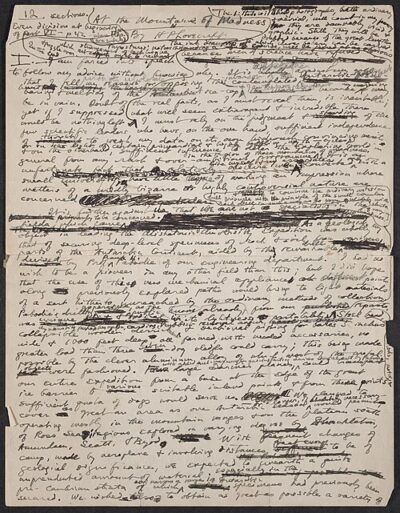
At the Mountains of Madness is a novella by H. P. Lovecraft. It came out in 1936. It is part of Cthulhu Mythos.
- Published
- 1936
- Came out
- March 1931
- Written by
- H. P. Lovecraft
- Genre
- lost world fiction
- Country of origin
- United States
All 11 facts, and where they come from
Facts
11 facts · 0 confirmed by two sources · 1 cited · 10 from one source
Where this comes from
Papalocal keeps its own record. It started from these sources; what each one said is kept here as it was copied, so a change on their side never changes this page by itself. Tap one to read its version.
What Wikidata says · copied November 16, 2026 · revision 2568052198
- Described as
- novella by H. P. Lovecraft
- What it is
- literary work
- Written by
- H. P. Lovecraft · 1 reference
- Genre
- lost world fiction; science fiction; horror fiction; weird fiction
- Published
- 1936
- Language
- English
- Country of origin
- United States
- Part of the series
- Cthulhu Mythos
- Came out
- March 1931
- Wikipedias with a page
- 26
Wikidata item Q786586 (wikidata.org/wiki/Q786586), public domain (CC0). Copied 2026-11-16.
What Wikipedia says · copied November 16, 2026 · revision 1385694536
At the Mountains of Madness is a science-fiction and cosmic horror novella by the American author H. P. Lovecraft, written in February–March 1931 and published in three installments in 1936. Rejected that year by Weird Tales editor Farnsworth Wright on the grounds of its length, it was originally serialized in the February, March, and April 1936 issues of Astounding Stories. It has been reproduced in numerous collections.
The story details the events of a disastrous expedition to Antarctica in September 1930, and what is found there by a group of explorers led by the narrator, Dr. William Dyer of Miskatonic University. Throughout the story, Dyer details a series of previously untold events in the hope of deterring another group of explorers who wish to return to the continent. These events include the discovery of an ancient civilization older than the human race, and realization of Earth's past told through various sculptures and murals.
The story was inspired by Lovecraft's interest in Antarctic exploration; the continent was still not fully explored in the 1930s. Lovecraft explicitly draws from Edgar Allan Poe's novel The Narrative of Arthur Gordon Pym of Nantucket, and he may have used other stories for inspiration. Many story elements, such as the formless "shoggoth", recur in other Lovecraft works. The story has been adapted and used for graphic novels, video games, and musical works.
From the Wikipedia article “At the Mountains of Madness” (en.wikipedia.org/wiki/At_the_Mountains_of_Madness), by its contributors, under CC BY-SA 4.0 (creativecommons.org/licenses/by-sa/4.0/). Copied 2026-11-16; not changed.
Confirmed Two sources agree. Cited One source, and it names where it got it. One source One source, without a reference of its own. Sources disagree The sources disagree. We show the best-supported value and keep theirs below.
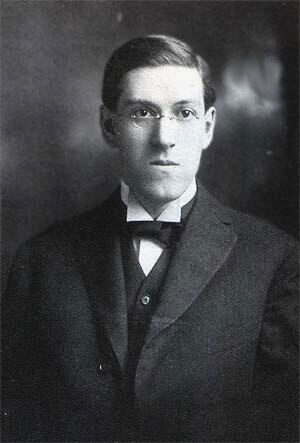
Picture: H. P. Lovecraft, via Wikimedia Commons · Public domain