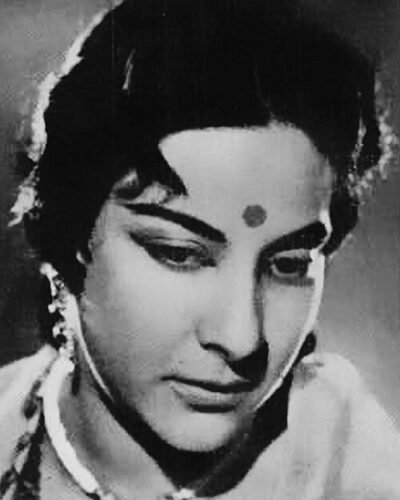
Awaara
Awaara is a 1951 film by Raj Kapoor. It stars Nargis and Prithviraj Kapoor.
- Released
- 1951
- Directed by
- Raj Kapoor
- Genre
- trial film
- Country of origin
- India
All 19 facts, and where they come from
Facts
19 facts · 0 confirmed by two sources · 1 cited · 18 from one source
Where this comes from
Papalocal keeps its own record. It started from these sources; what each one said is kept here as it was copied, so a change on their side never changes this page by itself. Tap one to read its version.
What Wikidata says · copied November 17, 2026 · revision 2563494663
- Described as
- 1951 film by Raj Kapoor
- Other names
- Awara Film, Awara
- What it is
- film
- Directed by
- Raj Kapoor · 1 reference
- Music by
- Shankar–Jaikishan
- Screenplay by
- Khwaja Ahmad Abbas
- Produced by
- Raj Kapoor
- Starring
- Raj Kapoor; Nargis; Prithviraj Kapoor; Leela Chitnis; Shashi Kapoor; K. N. Singh; Cuckoo Moray; Brij Mohan Vyas; Leela Mishra
- Genre
- trial film; drama film
- Released
- 1951
- Original language
- Hindi
- Country of origin
- India
- Wikipedias with a page
- 34
Wikidata item Q858681 (wikidata.org/wiki/Q858681), public domain (CC0). Copied 2026-11-17.
What Wikipedia says · copied November 17, 2026 · revision 1381470537
Awaara, also written Awāra and known overseas as The Vagabond, is a 1951 Indian crime drama film, produced and directed by Raj Kapoor, and written by Khwaja Ahmad Abbas and V.P. Sathe. It stars Raj Kapoor along with his real-life father Prithviraj Kapoor, as well as Nargis, Leela Chitnis and K. N. Singh. Other members of the Kapoor family make an appearance, including Raj's youngest brother Shashi Kapoor, who plays the younger version of his character, and Prithiviraj's father Dewan Basheshwarnath Singh Kapoor, playing a cameo in his only film appearance. The film's music was composed by Shankar Jaikishan.
The film expresses socialist themes, and blends social and reformist themes with the crime, romantic comedy and musical melodrama genres. The plot centers on the intertwining lives of a poor thief Raj (played by Raj Kapoor), the privileged Rita (played by Nargis), and Judge Raghunath (played by Prithviraj Kapoor) who is unaware that Raj is his son. In the film, Kapoor's poor "little tramp" character references Charlie Chaplin and was further developed in other Kapoor films such as Shree 420. Awaara is considered a milestone in the history of Bollywood.
The film became an overnight sensation in South Asia, and found even greater success further afield in the Soviet Union, East Asia, Africa, the Caribbean, the Middle East, and Eastern Europe. In particular, the song "Awaara Hoon" ("I am a Vagabond"), sung by Mukesh with lyrics by Shailendra, became hugely popular across the Indian subcontinent, as well as in countries such as the Soviet Union, China, Bulgaria, Turkey, Afghanistan, and Romania. The film was also nominated for the Grand Prize at the Cannes Film Festival in 1953. The film is estimated to have sold over 200 million tickets overseas, including more than 100 million in China and about 100 million in the Soviet Union. Owing to its popularity in so many countries, the film is a candidate for the most successful film of all time and is considered to be one of the greatest films of all time. In 2012, Awaara was included in the 20 new entries to All-Time 100 greatest films by the Time magazine.
From the Wikipedia article “Awaara” (en.wikipedia.org/wiki/Awaara), by its contributors, under CC BY-SA 4.0 (creativecommons.org/licenses/by-sa/4.0/). Copied 2026-11-17; not changed.
Confirmed Two sources agree. Cited One source, and it names where it got it. One source One source, without a reference of its own. Sources disagree The sources disagree. We show the best-supported value and keep theirs below.