

Bauhaus
Bauhaus is a school in Germany that combined crafts and the fine arts. It was founded in 1919 by Walter Gropius. It won the 8502 Bauhaus.
- Founded
- 1919
- Founded by
- Walter Gropius
- Country
- Germany
All 10 facts, and where they come from
Facts
10 facts · 0 confirmed by two sources · 3 cited · 7 from one source
Where this comes from
Papalocal keeps its own record. It started from these sources; what each one said is kept here as it was copied, so a change on their side never changes this page by itself. Tap one to read its version.
What Wikidata says · copied November 16, 2026 · revision 2567716982
- Described as
- school in Germany that combined crafts and the fine arts
- Other names
- Staatliches Bauhaus
- What it is
- architectural style; art movement; arts educational institution
- Followed by
- Staatliche Bauhochschule Weimar · 1 reference
- Founded
- 1919 · 1 reference
- Ended
- 1933 · 1 reference
- Founded by
- Walter Gropius
- Located in
- Dessau-Roßlau (1925–1932)
- Country
- Germany
- Awards
- 8502 Bauhaus
- Wikipedias with a page
- 88
Wikidata item Q124354 (wikidata.org/wiki/Q124354), public domain (CC0). Copied 2026-11-16.
What Wikipedia says · copied November 16, 2026 · revision 1383411406
The Staatliches Bauhaus (German: [ˈʃtaːtlɪçəs ˈbaʊˌhaʊs] ), commonly known as the Bauhaus (German for 'building house'), was a German art school operational from 1919 to 1933 that combined crafts and the fine arts. The school became famous for its approach to design, which attempted to unify individual artistic vision with the principles of mass production and emphasis on function.
The Bauhaus was founded by architect Walter Gropius in Weimar. It was grounded in the idea of creating a Gesamtkunstwerk ("comprehensive artwork") in which all the arts would eventually be brought together. The Bauhaus style later became one of the most influential currents in modern design, modernist architecture, and architectural education. The Bauhaus movement had a profound influence on subsequent developments in art, architecture, graphic design, interior design, industrial design, and typography. Staff at the Bauhaus included prominent artists such as Paul Klee, Wassily Kandinsky, Gunta Stölzl, and László Moholy-Nagy at various points.The school existed in three German cities—Weimar, from 1919 to 1925, Dessau, from 1925 to 1932, and Berlin, from 1932 to 1933. During this period, it had three architect-directors: Walter Gropius from 1919 to 1928; Hannes Meyer from 1928 to 1930; and Ludwig Mies van der Rohe from 1930 until 1933, when the school was closed by its own leadership under pressure from the Nazi regime, having been painted as a centre of communist intellectualism. Internationally, former key figures of Bauhaus were successful in the United States and became known as the avant-garde for the International Style. The White City of Tel Aviv, to which numerous Jewish Bauhaus architects emigrated, has the highest concentration of the Bauhaus' international architecture in the world.
The changes of venue and leadership resulted in a constant shifting of focus, technique, instructors, and politics. For example, the pottery shop was discontinued when the school moved from Weimar to Dessau, even though it had been an important revenue source.
In 1930, the mayor of Dessau Fritz Hesse dismissed Hannes Meyer following a scandal about alleged use of school funds for communist causes, appointing Mies van der Rohe as his successor
.
van der Rohe transformed the Bauhaus into a private school, and barred supporters of the previous' director Hannes Meyer from the school.
Still, the Dessau campus was shuttered in 1932, after the Nazi party took over the local government of the Free State of Anhalt.
From the Wikipedia article “Bauhaus” (en.wikipedia.org/wiki/Bauhaus), by its contributors, under CC BY-SA 4.0 (creativecommons.org/licenses/by-sa/4.0/). Copied 2026-11-16; not changed.
Confirmed Two sources agree. Cited One source, and it names where it got it. One source One source, without a reference of its own. Sources disagree The sources disagree. We show the best-supported value and keep theirs below.
Picture: Wikimedia Commons: Dessau Bauhaus-Gebäude asv2024-06 img1.jpg · See Commons file page
People connected 11
Worked here
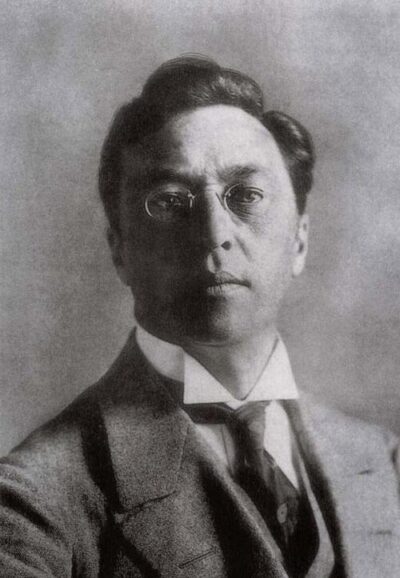 Wassily Kandinsky (1922–1933)avant-garde painter of Russian origin (1866–1944)
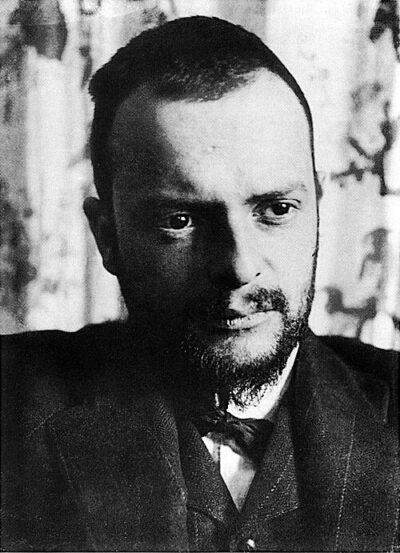 Paul KleeGerman-Swiss artist (1879–1940)
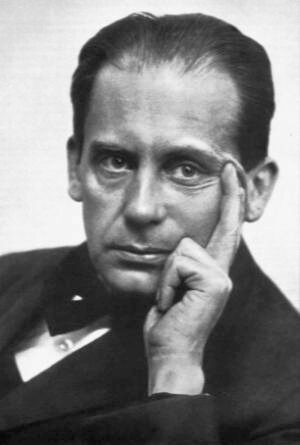 Walter GropiusGerman-American architect (1883–1969)
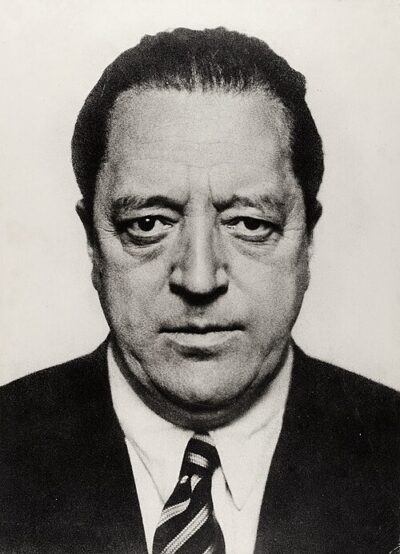 Ludwig Mies van der Rohe (1930–1933)German architect (1886–1969)
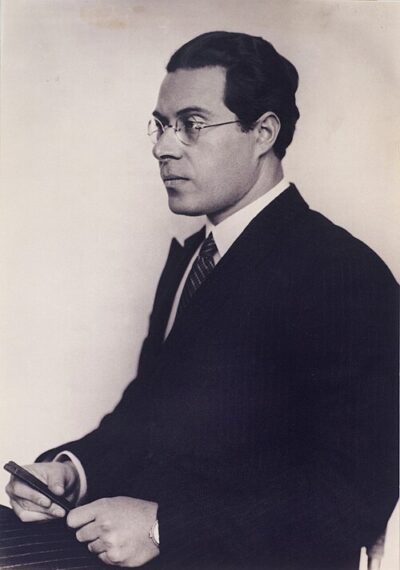 László Moholy-NagyHungarian artist (1895–1946)
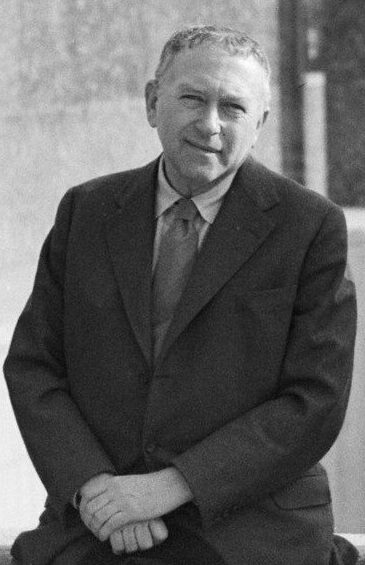 Marcel Breuer (1925–1928)Hungarian-American architect (1902-1981)
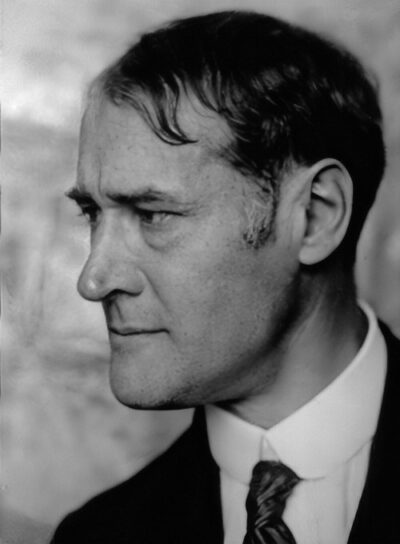 Lyonel FeiningerGerman-American painter (1871–1956)
- HHans RichterGerman artist (1888–1976)
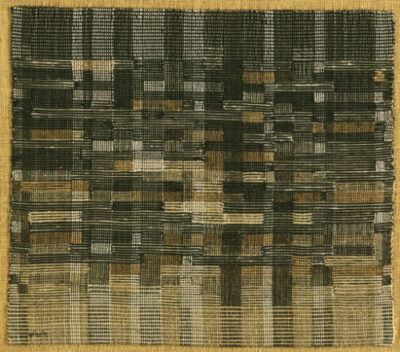 Anni Albers (1929–1931)German-American textile artist, weaver and graphic designer, student and teacher at the Bauhaus (1899–1994)
Studied here
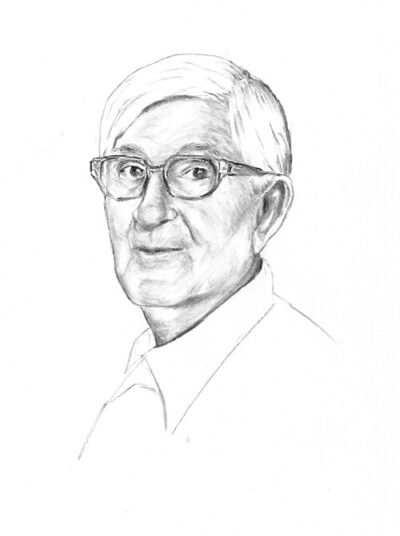 Josef AlbersGerman-American designer, painter, educator and typographer (1888–1976)
- Marcel Breuer (1920–1924)Hungarian-American architect (1902-1981)
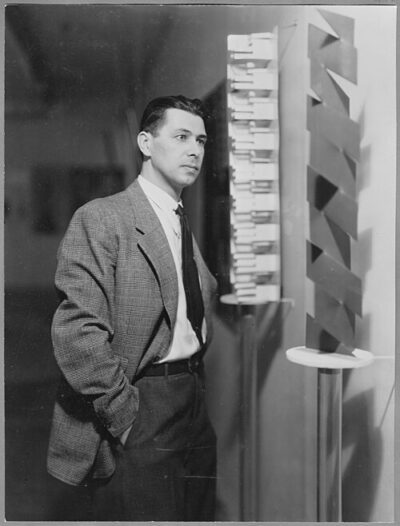 Herbert BayerAustrian architect, photographer, graphic and typographer (1900-1985)
- Anni Albers (1922–1930)German-American textile artist, weaver and graphic designer, student and teacher at the Bauhaus (1899–1994)
