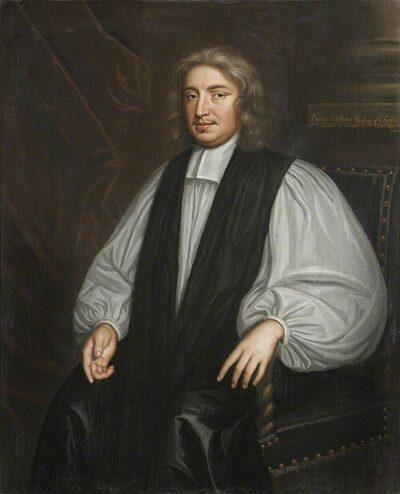
Bishop of Chester
Bishop of Chester is a Diocesan bishop in the Church of England. It was created in 1541 by Henry VIII of England and John Bird.
- Country
- United Kingdom
- Created
- August 4, 1541
All 5 facts, and where they come from
Facts
5 facts · 0 confirmed by two sources · 0 cited · 5 from one source
Where this comes from
Papalocal keeps its own record. It started from these sources; what each one said is kept here as it was copied, so a change on their side never changes this page by itself. Tap one to read its version.
What Wikidata says · copied November 17, 2026 · revision 2569489071
- Described as
- Diocesan bishop in the Church of England
- What it is
- position
- Created
- August 4, 1541
- Founded by
- Henry VIII of England; John Bird
- Country
- United Kingdom
- Wikipedias with a page
- 6
Wikidata item Q1837071 (wikidata.org/wiki/Q1837071), public domain (CC0). Copied 2026-11-17.
What Wikipedia says · copied November 17, 2026 · revision 1385624204
The Bishop of Chester is the Ordinary of the Church of England Diocese of Chester in the Province of York.
The diocese extends across most of the historic county boundaries of Cheshire, including the Wirral Peninsula and has its see in the City of Chester where the seat is located at the Cathedral Church of Christ and the Blessed Virgin Mary, which was formerly the Benedictine Abbey of Saint Werburgh, being elevated to cathedral status in 1541. The Bishop's residence is Bishop's House, Chester.
Cheshire previously held a bishopric from 1075 when the seat was at the collegiate church of St John the Baptist until 1102. The present diocese was formed in 1541 under King Henry VIII. Mark Tanner's election as Bishop of Chester was confirmed on 15 July 2020.
From the Wikipedia article “Bishop of Chester” (en.wikipedia.org/wiki/Bishop_of_Chester), by its contributors, under CC BY-SA 4.0 (creativecommons.org/licenses/by-sa/4.0/). Copied 2026-11-17; not changed.
Confirmed Two sources agree. Cited One source, and it names where it got it. One source One source, without a reference of its own. Sources disagree The sources disagree. We show the best-supported value and keep theirs below.