

Black Panther Party
The Black Panther Party is an US black power organization (1966–1982). It was founded by Huey P. Newton and Bobby Seale. Its headquarters are in Oakland. It stands for Black Nationalism, anti-racism and anti-capitalism.
- Founded
- October 15, 1966
- Founded by
- Huey P. Newton
- Headquarters
- Oakland
- Country
- United States
All 13 facts, and where they come from
Facts
13 facts · 0 confirmed by two sources · 1 cited · 12 from one source
Where this comes from
Papalocal keeps its own record. It started from these sources; what each one said is kept here as it was copied, so a change on their side never changes this page by itself. Tap one to read its version.
What Wikidata says · copied November 16, 2026 · revision 2566573034
- Described as
- US black power organization (1966–1982)
- Other names
- Black Pather Party For Self Defense, BPP, The Black Panthers
- What it is
- political organization; mutual aid
- Founded
- October 15, 1966 · 1 reference
- Ended
- 1982
- Founded by
- Huey P. Newton; Bobby Seale
- Headquarters
- Oakland
- Country
- United States
- Chair
- Huey P. Newton
- Ideology
- Black Nationalism (–1969); anti-racism; anti-capitalism; anti-imperialism
- Wikipedias with a page
- 55
Wikidata item Q189150 (wikidata.org/wiki/Q189150), public domain (CC0). Copied 2026-11-16.
What Wikipedia says · copied November 16, 2026 · revision 1385520885
The Black Panther Party (BPP), formerly the Black Panther Party for Self-Defense, was an American Marxist–Leninist and black power political and militant organization from 1966 to 1982, founded and led by Huey P. Newton and Bobby Seale. Between 1968 and 1971, it was a nationwide organization with chapters in many major cities, and members were active in many prisons and the party had international chapters in the United Kingdom and Algeria. The party first drew attention for openly carrying firearms in Oakland, California while monitoring police activity; resultantly, members were involved in multiple fatal firefights with police. Its earliest goal was to challenge the excessive force and misconduct of the Oakland Police Department that affected the African American community during the civil rights movement. It advocated for decent housing, community control of education and police, exemption from military service for black men during the Vietnam War, and free breakfast for children. The party's dissolution led to various splinter groups and successor organizations.
In 1969, J. Edgar Hoover, the director of the Federal Bureau of Investigation (FBI), described the Black Panther Party as "the greatest threat to the internal security of the country." The FBI sabotaged the party with an illegal and covert counterintelligence program (COINTELPRO) of surveillance, infiltration, perjury, and police harassment, all designed to undermine and criminalize the party. The FBI was involved in the 1969 assassinations of party members Fred Hampton and Mark Clark, who were killed in a raid by the Chicago Police Department. Huey P. Newton allegedly killed officer John Frey in 1967, and Minister of Information Eldridge Cleaver led an ambush in 1968 of Oakland police officers, in which two officers were wounded and Panther treasurer Bobby Hutton was killed. The party suffered many internal conflicts, resulting in the murders of members including Betty Van Patter and Alex Rackley.
Government persecution initially contributed to the party's growth among African Americans and the American left, who both valued the party as a powerful force against de facto segregation and the U.S. military draft during the Vietnam War. Party membership peaked in 1970 and gradually declined over the next decade, due to vilification by the mainstream press and infighting largely fomented by COINTELPRO. Support further declined over reports of the party's alleged criminal activities, such as drug dealing and extortion.
The party's legacy is controversial. Older historical work described the party as more criminal than political, characterized by "defiant posturing over substance." Other assessments described the party as "mainly victims of a repressive state." These older assessments have been criticized as incomplete. Joshua Bloom and Waldo Martin characterized the Black Panther Party as one of the most influential black power organization of the late 1960s, with an "eventually tragic evolution" - collapsing due to infighting, often partly initiated by the government.
From the Wikipedia article “Black Panther Party” (en.wikipedia.org/wiki/Black_Panther_Party), by its contributors, under CC BY-SA 4.0 (creativecommons.org/licenses/by-sa/4.0/). Copied 2026-11-16; not changed.
Confirmed Two sources agree. Cited One source, and it names where it got it. One source One source, without a reference of its own. Sources disagree The sources disagree. We show the best-supported value and keep theirs below.
Picture: Wikimedia Commons: BPP REUNION 2006.JPG · See Commons file page
People connected 10
Members
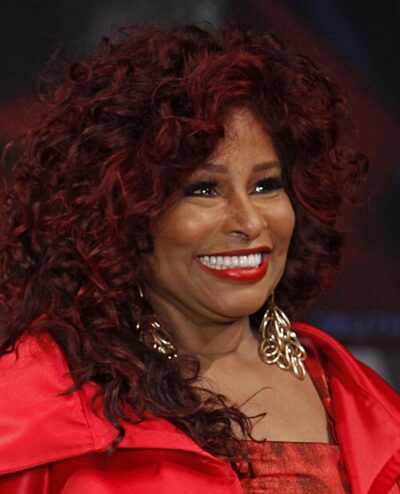 Chaka KhanAmerican singer (born 1953)
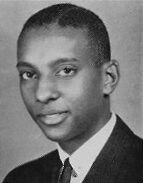 Stokely CarmichaelAmerican activist (1941-1998)
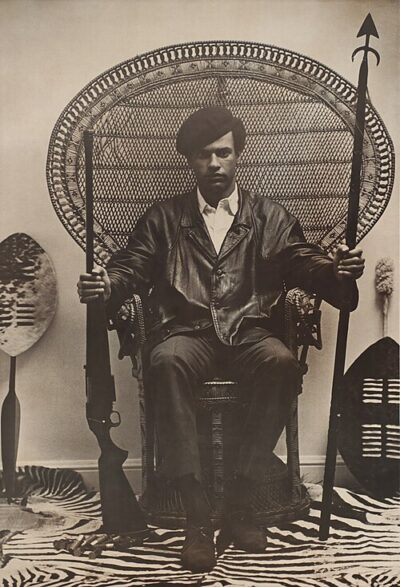 Huey P. NewtonCo-founder of the Black Panther Party (1942-1989)
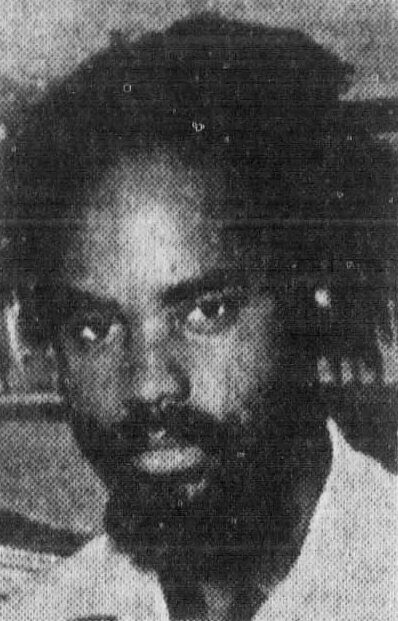 Mumia Abu-Jamal (1969–1970)American political activist, journalist, and convicted murderer of a police officer
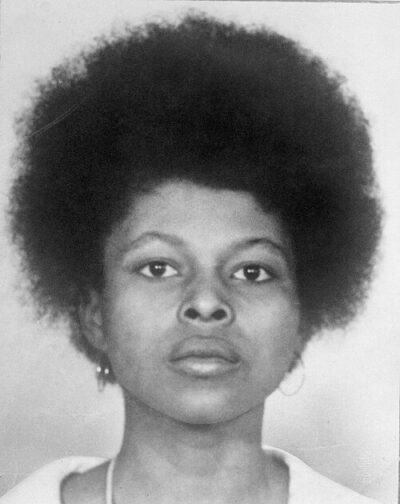 Assata Shakur (1970–)American activist who was a member of the Black Panther Party and Black Liberation Army
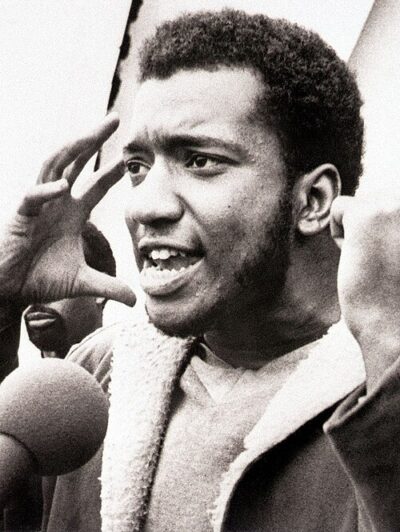 Fred HamptonAfrican-American activist (1948-1969)
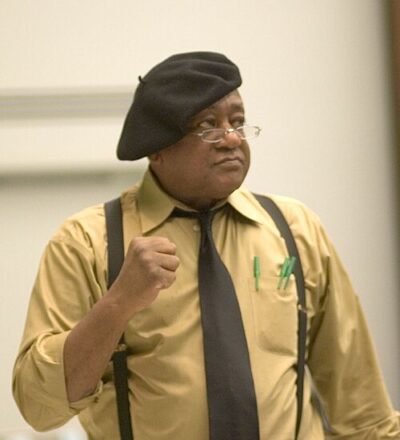 Bobby Sealeco-founder of the Black Panther Party (born 1936)
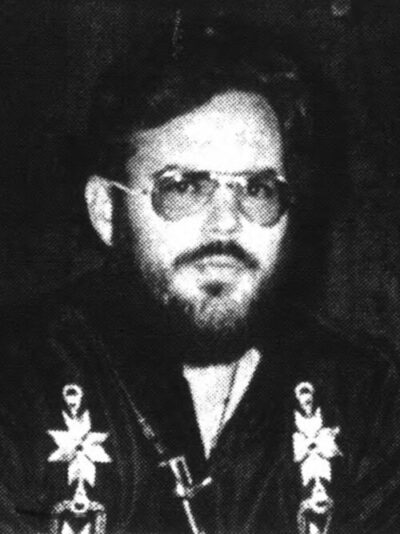 Robert TriversAmerican evolutionary biologist and sociobiologist
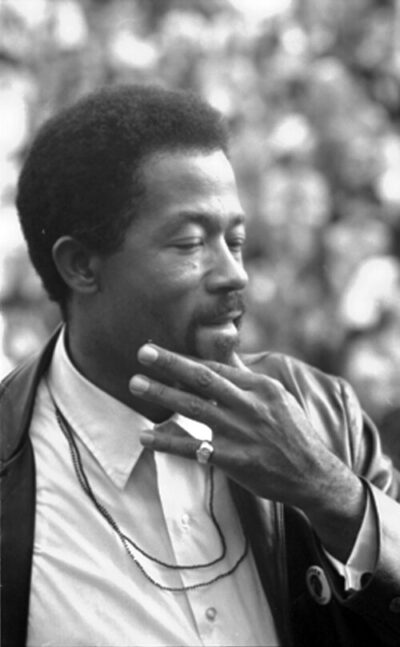 Eldridge CleaverAmerican activist (1935–1998)
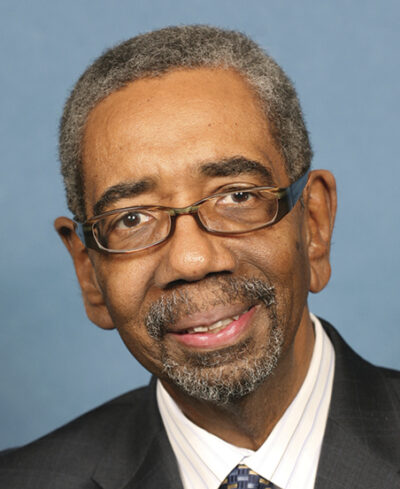 Bobby RushAmerican politician
