Bok globule
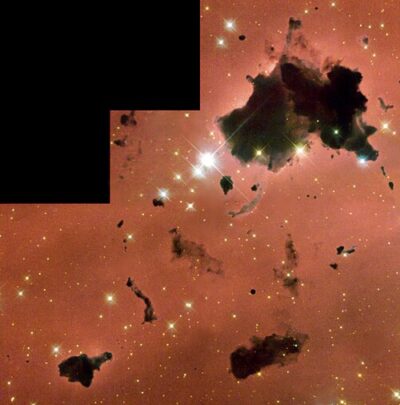
Bok globule is an isolated, small, and opaque nebula.
All 2 facts, and where they come from
Facts
2 facts · 0 confirmed by two sources · 0 cited · 2 from one source
Where this comes from
Papalocal keeps its own record. It started from these sources; what each one said is kept here as it was copied, so a change on their side never changes this page by itself. Tap one to read its version.
What Wikidata says · copied November 17, 2026 · revision 2515766733
- Described as
- isolated, small, and opaque nebula
- What it is
- astronomical object type
- Named after
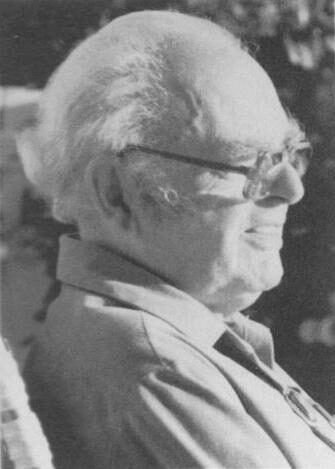
- Bart Bok
- Wikipedias with a page
- 46
Wikidata item Q213936 (wikidata.org/wiki/Q213936), public domain (CC0). Copied 2026-11-17.
What Wikipedia says · copied November 17, 2026 · revision 1349181491
In astronomy, Bok globules are isolated and relatively small dark nebulae containing dense cosmic dust and gas from which star formation may take place. Bok globules are found within H II regions, and typically have a mass of about two to 50 solar masses contained within a region about a light year or so across (about 4.5×1047 m3). They contain molecular hydrogen (H2), carbon oxides and helium, and around 1% (by mass) silicate dust. Bok globules most commonly result in the formation of double- or multiple-star systems.
From the Wikipedia article “Bok globule” (en.wikipedia.org/wiki/Bok_globule), by its contributors, under CC BY-SA 4.0 (creativecommons.org/licenses/by-sa/4.0/). Copied 2026-11-17; not changed.
Confirmed Two sources agree. Cited One source, and it names where it got it. One source One source, without a reference of its own. Sources disagree The sources disagree. We show the best-supported value and keep theirs below.
Picture: NASA and The Hubble Heritage Team (STScI/AURA), via Wikimedia Commons · Public domain