

Bolton Wanderers F.C.
Bolton Wanderers F.C. is an association football club in Horwich, England. It was founded in 1874. It plays in the EFL Championship. Its home is Toughsheet Community Stadium. Its head coach is Steven Schumacher.
- Sport
- association football
- League
- EFL Championship (2026–)
- Home venue
- Toughsheet Community Stadium
- Founded
- 1874
- Head coach
- Steven Schumacher (2025–)
All 12 facts, and where they come from
Facts
12 facts · 0 confirmed by two sources · 1 cited · 11 from one source
Where this comes from
Papalocal keeps its own record. It started from these sources; what each one said is kept here as it was copied, so a change on their side never changes this page by itself. Tap one to read its version.
What Wikidata says · copied November 17, 2026 · revision 2545433851
- Described as
- association football club in Horwich, England
- Other names
- Bolton Wanderers Football Club, Bolton Wanderers FC, Bolton Wanderers, Bolton, BWFC, Wanderers, The Trotters
- What it is
- association football club
- Founded
- 1874
- Headquarters
- Horwich
- Country
- United Kingdom
- Chair
- Ken Anderson
- Sport
- association football
- League
- EFL League One (–2026); EFL Championship (2026–)
- Home venue
- Toughsheet Community Stadium
- Head coach
- Phil Parkinson (2016–2019)
- Also called
- The Trotters
- Official website
- https://www.bwfc.co.uk/
- Wikipedias with a page
- 71
Wikidata item Q19451 (wikidata.org/wiki/Q19451), public domain (CC0). Copied 2026-11-17.
What Wikipedia says · copied November 17, 2026 · revision 1383709848
Bolton Wanderers Football Club ( BOHL-tən, abbreviated as BWFC) is a professional association football club based in the Horwich area of Bolton, Greater Manchester, England. The club competes in the EFL Championship, the second tier of the English Football League, in the 2026–27 season following promotion from EFL League One via the play-offs in May 2026.
The club started as Christ Church FC in 1874 and became Bolton Wanderers three years later in 1877. It was among the 12 founding members of the Football League in 1888. The club won the Second Division title in the 1908–09 season and claimed the FA Cup on four occasions, winning in 1923, 1926, 1929 and 1958. Their 1923 triumph came in the first FA Cup final held at Wembley Stadium, a match later known as the "White Horse Final". Bolton were relegated from the top division in 1964 and again in 1971, but returned after winning the Third Division title in 1972–73 and the Second Division title in 1977–78. However, a series of subsequent relegations saw the club fall to the Fourth Division by 1987. They secured promotion from the Fourth Division in 1987–88 and won the Football League Trophy in 1989, having previously finished as runners-up in the competition in 1986.
Promotions in the 1992–93 and 1994–95 seasons saw Bolton Wanderers reach the Premier League for the first time. The club won the First Division title in 1996–97, although they were unable to retain their top-flight status for more than a single season until gaining promotion under Sam Allardyce through victory in the 2001 First Division play-off final. Bolton subsequently spent eleven consecutive seasons in the Premier League and reached the 2004 League Cup final, as well as the knockout stages of the UEFA Cup on two occasions. Two relegations within five seasons saw the club return to League One by 2016. Bolton achieved promotion in the 2016–17 season, but severe financial difficulties led to the club entering administration in 2019 after relegation back to the third tier had been confirmed. Amid the possibility of expulsion from the English Football League, the club was acquired by new ownership. Following relegation to League Two in 2020, Bolton secured promotion in the 2020–21 season and won the EFL Trophy, for the second time, during the 2022–23 campaign. Bolton secured promotion in the 2025-26 season via the play-offs.
From 1895 until 1997, Bolton Wanderers played their home matches at Burnden Park after relocating from their original ground at Pike's Lane. In 1997, the club moved to the Reebok Stadium, which has since undergone several naming changes and is currently known as the Toughsheet Community Stadium. Bolton have spent 73 seasons in the top tier of English football without winning a league title, the highest total of any club.
From the Wikipedia article “Bolton Wanderers F.C.” (en.wikipedia.org/wiki/Bolton_Wanderers_F.C.), by its contributors, under CC BY-SA 4.0 (creativecommons.org/licenses/by-sa/4.0/). Copied 2026-11-17; not changed.
Confirmed Two sources agree. Cited One source, and it names where it got it. One source One source, without a reference of its own. Sources disagree The sources disagree. We show the best-supported value and keep theirs below.
Picture: Wikimedia Commons: Bolton macron wanderers stadium.jpg · See Commons file page
People connected 105
Played for this team 105
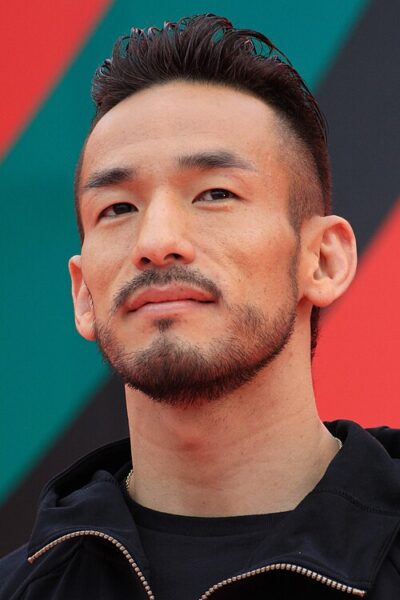 Hidetoshi Nakata (2005–2006)Japanese association football player
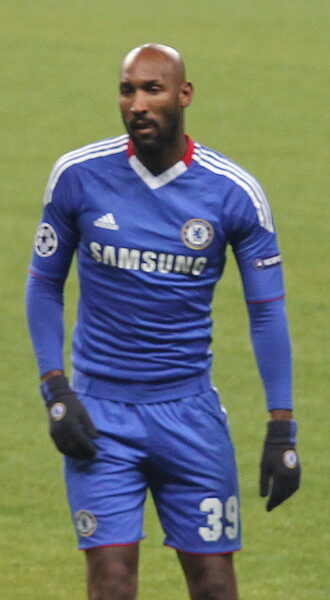 Nicolas Anelka (2006–2008)French football manager (born 1979)
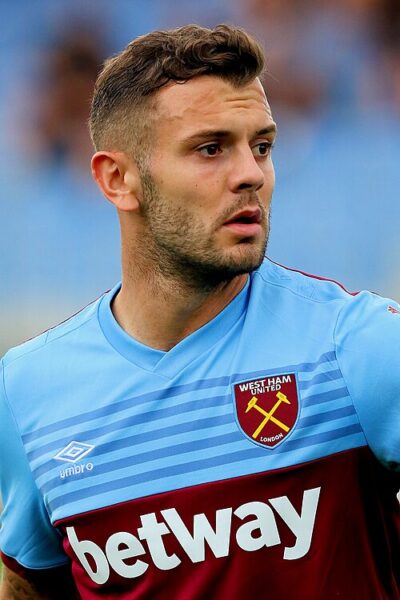 Jack Wilshere (2010)English association football player
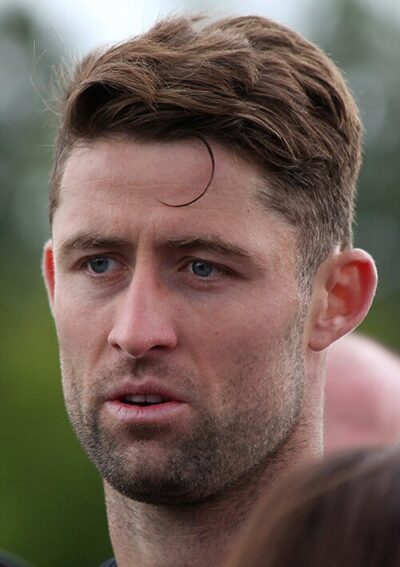 Gary Cahill (2008–2012)English association football player (born 1985)
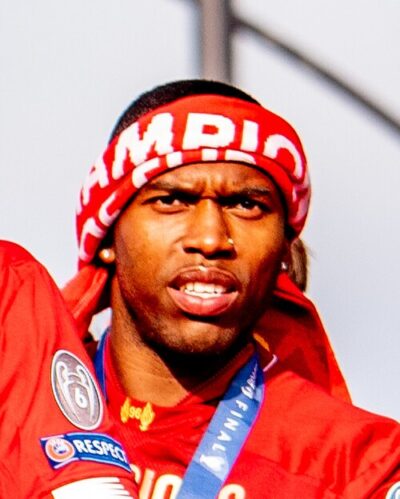 Daniel Sturridge (2011)English association football player (born 1989)
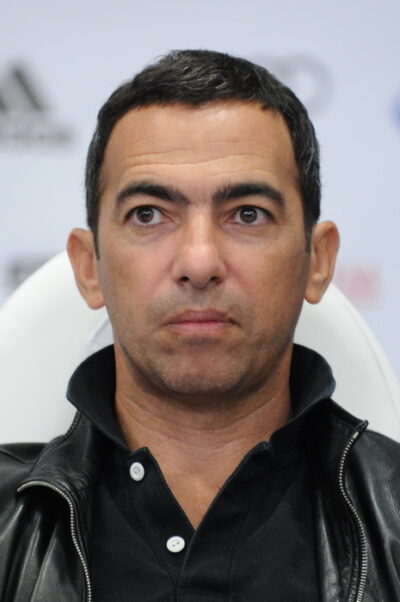 Youri Djorkaeff (2002–2004)French footballer (born 1968)
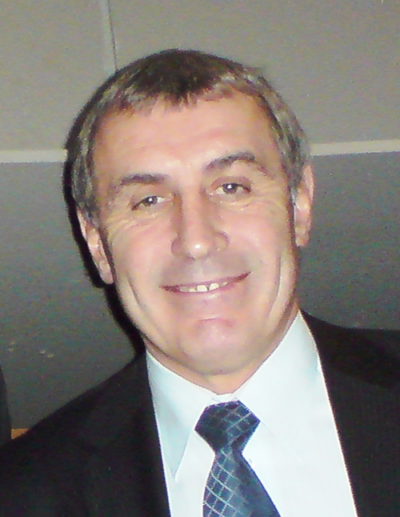 Peter Shilton (1995)English footballer (born 1949)
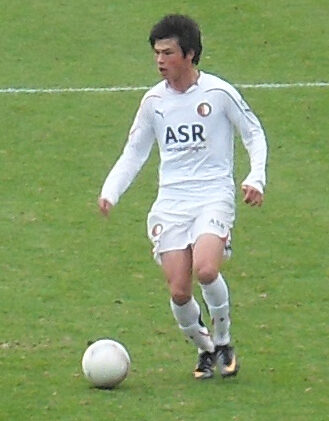 Ryo Miyaichi (2012)Japanese association football player (born 1992)
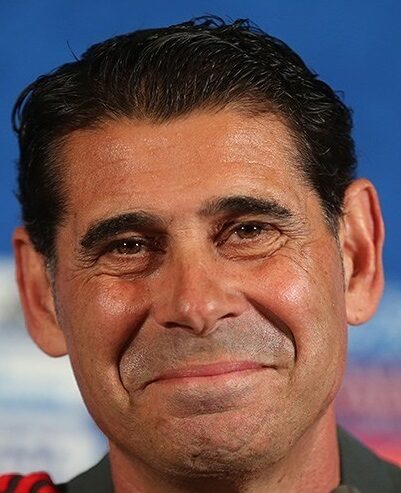 Fernando Hierro (2004–2005)Spanish football player and manager
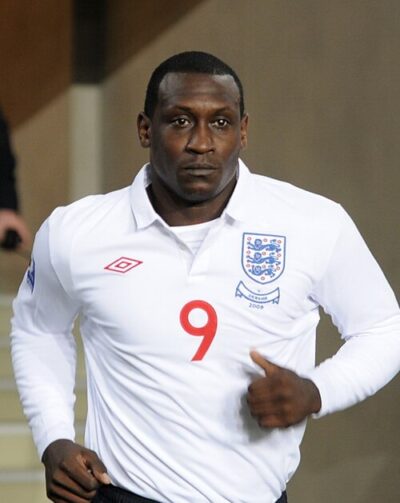 Emile Heskey (2014–2016)English association football player
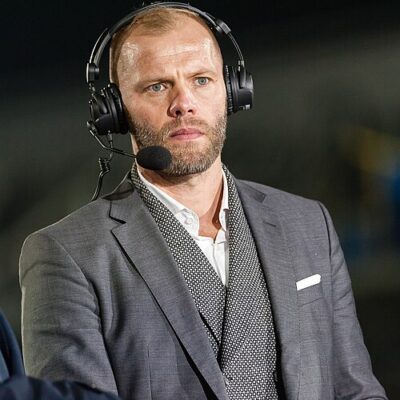 Eiður Guðjohnsen (1998–2015)Icelandic footballer
- AAkinori Nishizawa (2001)Japanese association football player
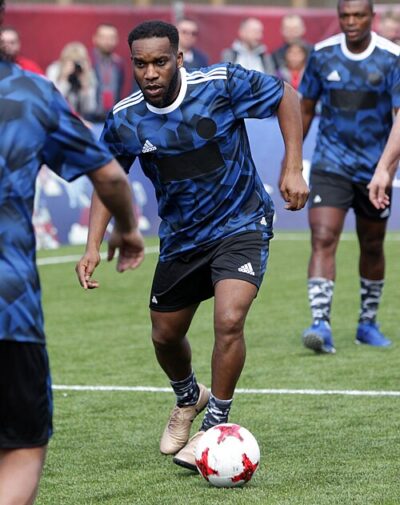 Jay-Jay Okocha (2002–2006)Nigerian footballer
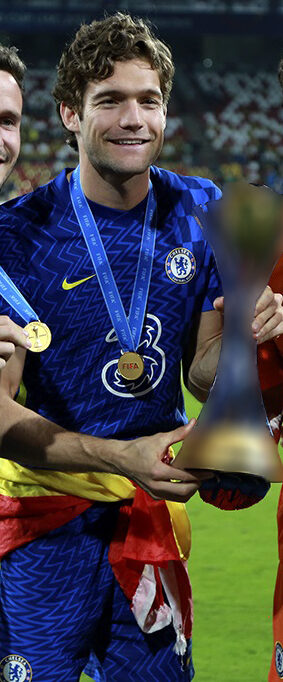 Marcos Alonso Mendoza (2010–2013)Spanish association football player
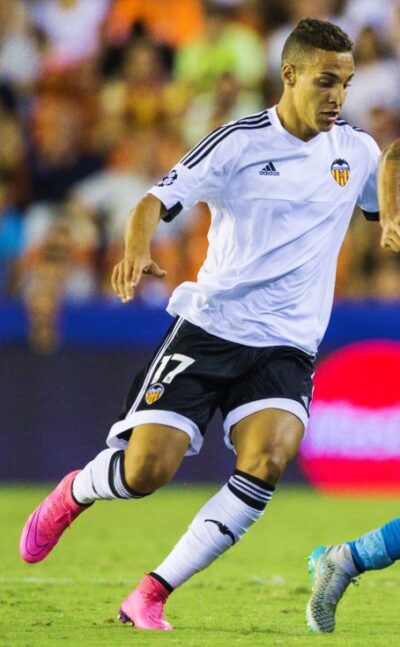 Rodrigo (2010–2011)Spanish association football player
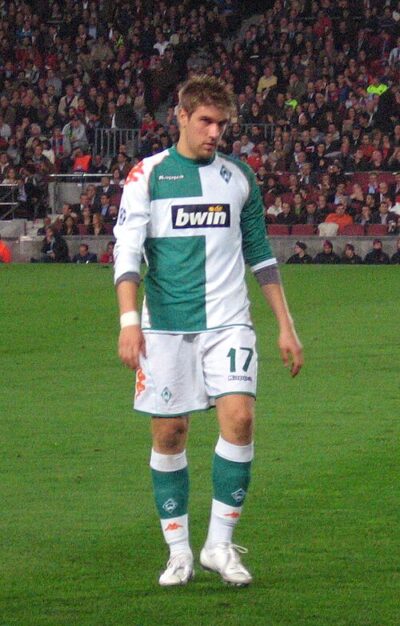 Ivan Klasnić (2009–2012)Croatian footballer
 Vincent Candela (2005)French footballer (born 1973)
 Blerim Džemaili (2007–2009)Swiss footballer
 Gary Speed (2004–2008)Welsh association football player and manager (1969–2011)
 Sam Allardyce (1971–1986)English association football player and manager
 Martin Petrov (2010–2013)Bulgarian footballer
 El Hadji Diouf (2004–2008)Senegalese association football player
 Jón Daði Böðvarsson (2022–2024)Icelandic footballer
 Dedryck Boyata (2011–2012)Belgian association football player (born 1990)
and 81 more
