
Boston University College of Communication
The Boston University College of Communication is a communications school at Boston University. It was founded in 1947. 2,400 students study there.
- Located in
- Boston
- Country
- United States
- Founded
- 1947
- Students
- 2,400
- What it is
- university
All 6 facts, and where they come from
Facts
6 facts · 0 confirmed by two sources · 0 cited · 6 from one source
Where this comes from
Papalocal keeps its own record. It started from these sources; what each one said is kept here as it was copied, so a change on their side never changes this page by itself. Tap one to read its version.
What Wikidata says · copied November 17, 2026 · revision 2559461540
- Described as
- communications school at Boston University
- What it is
- university
- Founded
- 1947
- Located in
- Boston · 1 reference
- Country
- United States
- Students
- 2,400
- Official website
- http://bu.edu/com
- Wikipedias with a page
- 3
Wikidata item Q4948171 (wikidata.org/wiki/Q4948171), public domain (CC0). Copied 2026-11-17.
What Wikipedia says · copied November 17, 2026 · revision 1380591404
The Boston University College of Communication (COM) is the communication school of Boston University (BU), a private research university in Boston, Massachusetts. Founded in 1947, it was the first in the United States to offer a degree in public relations (PR). COM's AdLab is the first and largest student-run advertising agency. COM houses the university's undergraduate and graduate programs in advertising, film and television, journalism, media science, and public relations.
From the Wikipedia article “Boston University College of Communication” (en.wikipedia.org/wiki/Boston_University_College_of_Communication), by its contributors, under CC BY-SA 4.0 (creativecommons.org/licenses/by-sa/4.0/). Copied 2026-11-17; not changed.
Confirmed Two sources agree. Cited One source, and it names where it got it. One source One source, without a reference of its own. Sources disagree The sources disagree. We show the best-supported value and keep theirs below.
People connected 16
Studied here
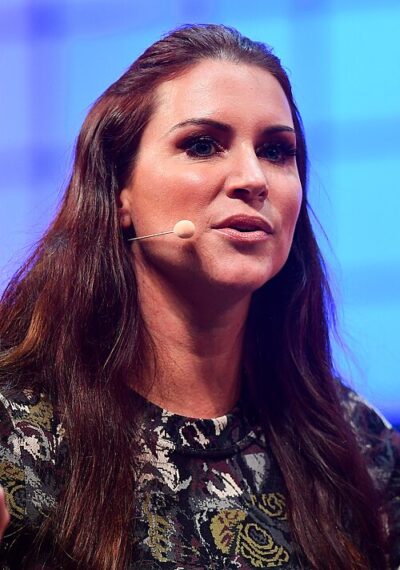 Stephanie McMahonAmerican professional wrestler and executive
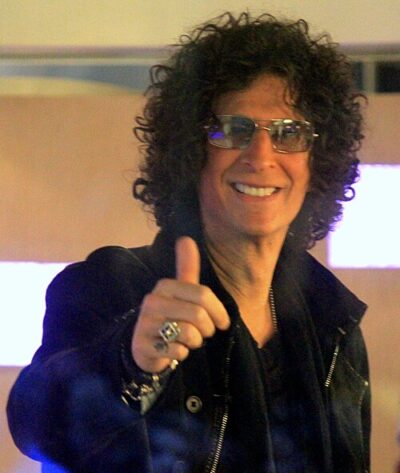 Howard SternAmerican radio and television personality (born 1954)
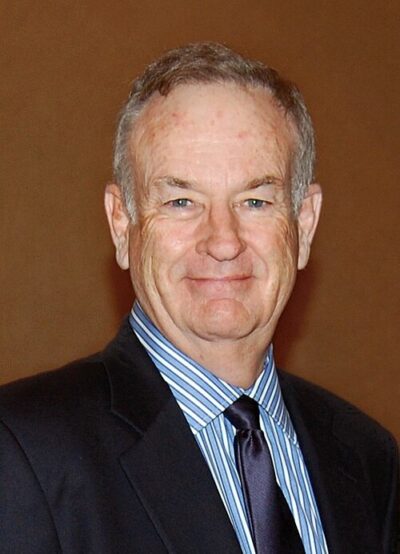 Bill O'ReillyAmerican political commentator, television host and writer
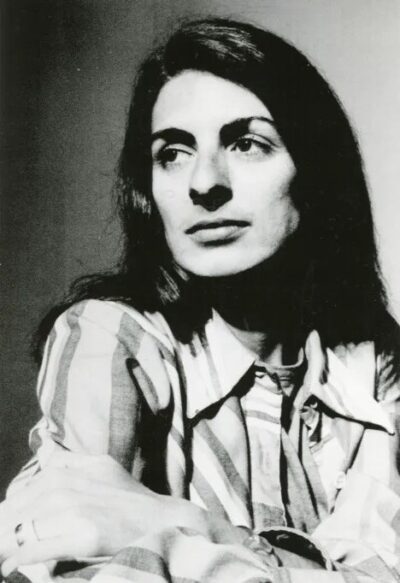 Christine ChubbuckAmerican television news reporter (1944–1974)
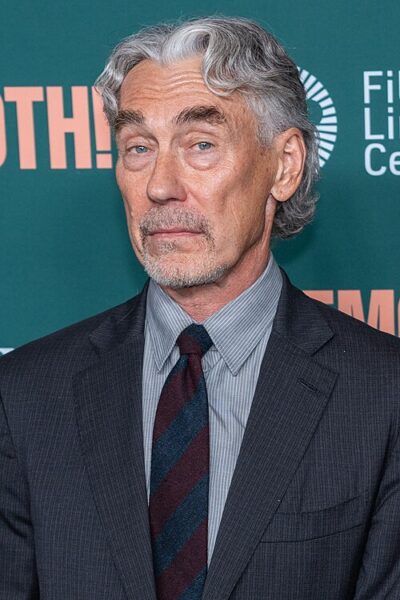 Tony GilroyAmerican screenwriter and director (born 1956)
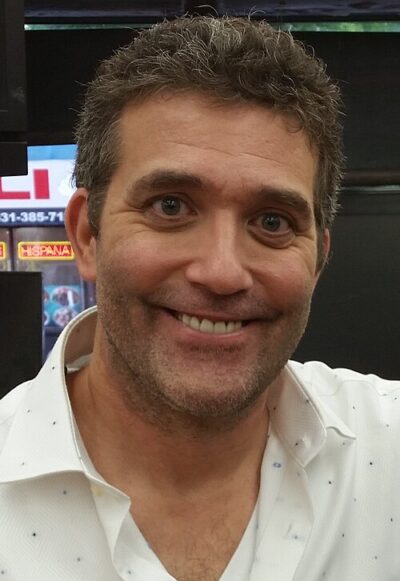 Craig BierkoAmerican actor and singer
 Katie AseltonAmerican actress
 James KysonSouth Korean and American actor
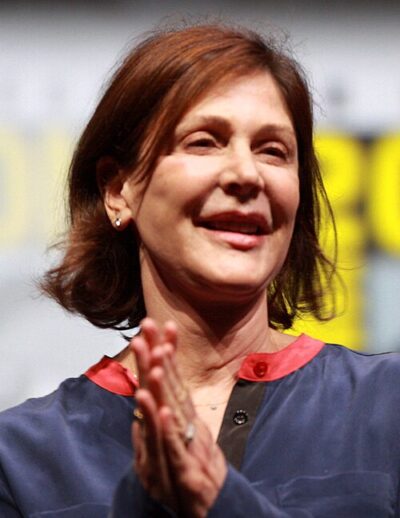 Lauren Shuler DonnerAmerican film producer
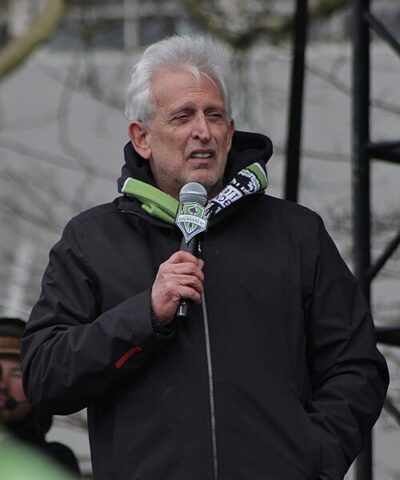 Joe RothAmerican film executive, producer and director
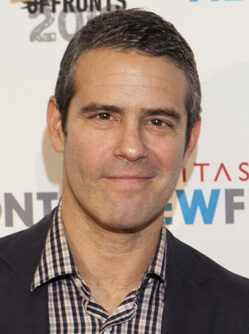 Andy CohenAmerican radio and television talk show host
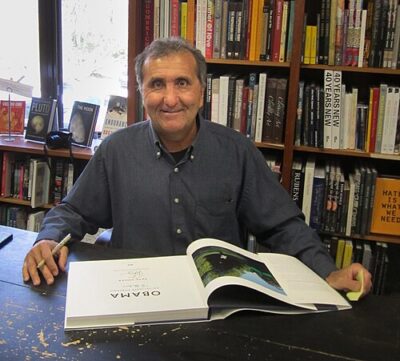 Pete SouzaAmerican photographer (born 1954)
 Jeff BaxterAmerican guitarist
 Bud CollinsUS sports journalist and tennis player (1929–2016)
 Scott RosenbergAmerican actor, screenwriter, and producer
 Bonnie ArnoldAmerican film producer
