Brasilia Digital TV Tower
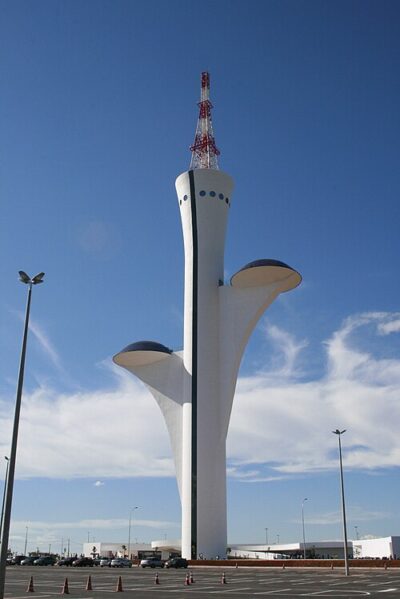
Brasilia Digital TV Tower is a broadcast tower in Brasilia. It came out in 2012.
- Came out
- 2012
All 4 facts, and where they come from
Facts
4 facts · 0 confirmed by two sources · 0 cited · 4 from one source
Where this comes from
Papalocal keeps its own record. It started from these sources; what each one said is kept here as it was copied, so a change on their side never changes this page by itself. Tap one to read its version.
What Wikidata says · copied November 17, 2026 · revision 2260751734
- Described as
- broadcast tower in Brasilia
- Other names
- cerrado flower
- What it is
- television tower
- Came out
- 2012 · 1 reference
- Located in
- Lago Norte
- Country
- Brazil
- Wikipedias with a page
- 8
Wikidata item Q627859 (wikidata.org/wiki/Q627859), public domain (CC0). Copied 2026-11-17.
What Wikipedia says · copied November 17, 2026 · revision 1352640351
The Brasília Digital TV Tower (Portuguese: Torre de TV Digital de Brasília) is a broadcast tower which made digital television signal available for the whole Federal District and surroundings. It is also known as the “Flor do Cerrado”, the Cerrado flower. Initially planned to open to the public on April 21, 2010, as a celebration of the 50th anniversary of the City of Brasília, the tower was only inaugurated two years later on April 21, 2012.
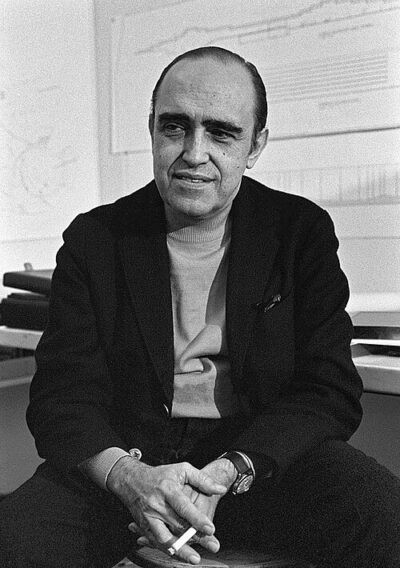
The tower was one of the final designs of Brazilian architect Oscar Niemeyer, and cost R$75 million.
The tower is 182 meters tall to the top of the antenna. The enclosed building is reinforced concrete structure for 120 meters, with 50m of metallic structure above that, topped by a 12m television antenna. The main building contains two observatories. The highest one, 80 meters above the ground, contains a restaurant with a panoramic view. The other one is used as an art gallery.
From the Wikipedia article “Brasília Digital TV Tower” (en.wikipedia.org/wiki/Brasília_Digital_TV_Tower), by its contributors, under CC BY-SA 4.0 (creativecommons.org/licenses/by-sa/4.0/). Copied 2026-11-17; not changed.
Confirmed Two sources agree. Cited One source, and it names where it got it. One source One source, without a reference of its own. Sources disagree The sources disagree. We show the best-supported value and keep theirs below.
Picture: Matheusgf78, via Wikimedia Commons · CC BY-SA 3.0