C. G. Jung Institute Zürich
C. G. Jung Institute Zürich is a Swiss psychology organisation. It was founded in 1948.
- Founded
- 1948
- Country
- Switzerland
All 8 facts, and where they come from
Facts
8 facts · 0 confirmed by two sources · 2 cited · 6 from one source
Where this comes from
Papalocal keeps its own record. It started from these sources; what each one said is kept here as it was copied, so a change on their side never changes this page by itself. Tap one to read its version.
What Wikidata says · copied November 17, 2026 · revision 2565896699
- Described as
- Swiss psychology organisation
- What it is
- institute; educational institution
- Founded
- 1948 · 1 reference
- Located in
- Küsnacht
- Country
- Switzerland
- Field
- psychology · 1 reference; psychotherapy · 1 reference
- Official website
- https://www.junginstitut.ch
- Wikipedias with a page
- 15
Wikidata item Q390130 (wikidata.org/wiki/Q390130), public domain (CC0). Copied 2026-11-17.
What Wikipedia says · copied November 17, 2026 · revision 1360186437
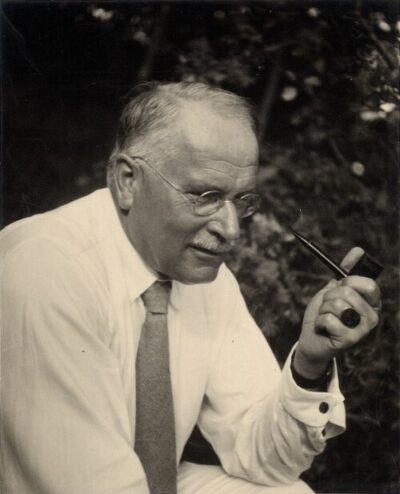
The C. G. Jung Institute, Zürich (German: C. G. Jung-Institut Zürich) was founded in Zürich, Switzerland, in 1948 by the psychiatrist Carl Gustav Jung, the founder of analytical psychology (more commonly called Jungian psychology) (in 1979, it moved to its present location in Küsnacht, a few miles south of Zürich). Marie-Louise von Franz and Jolande Jacobi were also active in the foundation and early work of the institute.
The institute was founded in 1948 to provide training and conduct research in analytical psychology and psychotherapy. Jung led the institute until 1961, the year of his death. The library of the institute holds around 15,000 books and periodicals related to Jungian psychology.
Several other organizations named the C.G. Jung Institute exist around the world, e.g. in New York City, Los Angeles and Chicago.
From the Wikipedia article “C. G. Jung Institute, Zürich” (en.wikipedia.org/wiki/C._G._Jung_Institute,_Zürich), by its contributors, under CC BY-SA 4.0 (creativecommons.org/licenses/by-sa/4.0/). Copied 2026-11-17; not changed.
Confirmed Two sources agree. Cited One source, and it names where it got it. One source One source, without a reference of its own. Sources disagree The sources disagree. We show the best-supported value and keep theirs below.
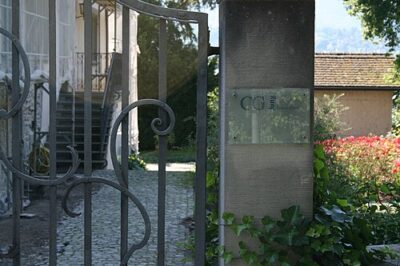
Picture: Steven Belcher from Oakland, United States, via Wikimedia Commons · CC BY-SA 2.0