Capitoline Wolf
Capitoline Wolf is a bronze sculpture of a she-wolf suckling twin infants, inspired by the founding legend of Rome, on display in the Capitoline Museums, Rome.
- Came out
- 5th century BC
All 3 facts, and where they come from
Facts
3 facts · 0 confirmed by two sources · 0 cited · 3 from one source
Where this comes from
Papalocal keeps its own record. It started from these sources; what each one said is kept here as it was copied, so a change on their side never changes this page by itself. Tap one to read its version.
What Wikidata says · copied November 17, 2026 · revision 2568923389
- Described as
- bronze sculpture of a she-wolf suckling twin infants, inspired by the founding legend of Rome, on display in the Capitoline Museums, Rome
- Other names
- Capitoline She-wolf, Capitoline She-Wolf, Capitoline Wolf (Capitoline She-Wolf), Lupa Capitolina, Capitoline she-wolf
- What it is
- sculpture
- Came out
- 5th century BC
- Country
- Italy
- Wikipedias with a page
- 43
Wikidata item Q408623 (wikidata.org/wiki/Q408623), public domain (CC0). Copied 2026-11-17.
What Wikipedia says · copied November 17, 2026 · revision 1378804771
The Capitoline Wolf (Latin: Lupa Capitolina) is a bronze sculpture depicting a scene from the legend of the founding of Rome. The sculpture shows a she-wolf suckling the mythical twin founders of Rome, Romulus and Remus. According to the legend, when King Numitor, grandfather of the twins, was overthrown by his brother Amulius in Alba Longa, the usurper ordered them to be cast into the Tiber River. They were rescued by a she-wolf that cared for them until a herdsman, Faustulus, found and raised them.
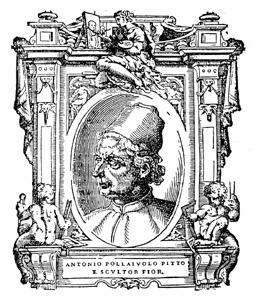
The age and origin of the Capitoline Wolf are controversial. The statue was long thought to be an Etruscan work of the fifth century BC, with the twins added in the late 15th century AD, probably by sculptor Antonio del Pollaiuolo. In a conference on the theme held in Rome on 28 February 2008, most academics continued to support an ancient Etruscan origin. However, radiocarbon and thermoluminescence dating in the 21st century indicates that the wolf portion of the statue may have been cast between 1021 and 1153. A 2025 lead isotope analysis of the bronze suggests that its metallic composition is consistent with copper obtained from various mines in the Holy Roman Empire. These results, however, have been contested, and there is yet no consensus for a revised dating.
The image of the she-wolf suckling Romulus and Remus has been a symbol of Rome since ancient times, and one of the most recognizable icons of ancient mythology. The sculpture has been housed since 1471 in the Palazzo dei Conservatori on the Campidoglio (the ancient Capitoline Hill), Rome, Italy, and many replicas are in various places around the world.
From the Wikipedia article “Capitoline Wolf” (en.wikipedia.org/wiki/Capitoline_Wolf), by its contributors, under CC BY-SA 4.0 (creativecommons.org/licenses/by-sa/4.0/). Copied 2026-11-17; not changed.
Confirmed Two sources agree. Cited One source, and it names where it got it. One source One source, without a reference of its own. Sources disagree The sources disagree. We show the best-supported value and keep theirs below.
Picture: Wikimedia Commons: Lupa Capitolina, Rome.jpg · See Commons file page