
Carnegie Medal
Carnegie Medal is an annual award for writing a children's book published in the U.K. It was created in 1936. It is given by the Chartered Institute of Library and Information Professionals.
- Given by
- Chartered Institute of Library and Information Professionals
- Country
- United Kingdom
- Created
- 1936
All 8 facts, and where they come from
Facts
8 facts · 0 confirmed by two sources · 0 cited · 8 from one source
Where this comes from
Papalocal keeps its own record. It started from these sources; what each one said is kept here as it was copied, so a change on their side never changes this page by itself. Tap one to read its version.
What Wikidata says · copied November 16, 2026 · revision 2559174485
- Described as
- annual award for writing a children's book published in the U.K.
- Other names
- British Carnegie Medal, Carnegie Medal in Literature, Library Association Carnegie Medal, CILIP Carnegie medal, YOTO Carnegies, YOTO Carnegie medal, Carnegie Prize
- What it is
- literary award · 1 reference; medal; children's and young adult literature award · 1 reference
- Created
- 1936
- Country
- United Kingdom
- Given by
- Chartered Institute of Library and Information Professionals
- Named after
- Andrew Carnegie
- Official website
- http://www.carnegiegreenaway.org.uk/carnegie/
- Wikipedias with a page
- 25
Wikidata item Q1043985 (wikidata.org/wiki/Q1043985), public domain (CC0). Copied 2026-11-16.
What Wikipedia says · copied November 16, 2026 · revision 1376515745
The Carnegie Medal for Writing, established in 1936 as the Carnegie Medal, is an annual British literary award for English-language books for children or young adults. It is conferred upon the author by the Chartered Institute of Library and Information Professionals (CILIP), who in 2016 called it "the UK's oldest and most prestigious book award for children's writing".
Nominated books must be written in English and first published in the UK during the preceding school year (September to August). Until 1969, the award was limited to books by British authors first published in England. The first non-British medalist was Australian author Ivan Southall for Josh (1972). The original rules also prohibited winning authors from future consideration. The first author to win a second Carnegie Medal was Peter Dickinson in 1981, who won consecutively for Tulku and City of Gold. As of 2024, eight authors had received the Medal more than once.
The winner is awarded a gold medal and £500 worth of books donated to the winner's chosen library. In addition, since 2016 the winner has received a £5,000 cash prize from the Colin Mears bequest.
From the Wikipedia article “Carnegie Medal for Writing” (en.wikipedia.org/wiki/Carnegie_Medal_for_Writing), by its contributors, under CC BY-SA 4.0 (creativecommons.org/licenses/by-sa/4.0/). Copied 2026-11-16; not changed.
Confirmed Two sources agree. Cited One source, and it names where it got it. One source One source, without a reference of its own. Sources disagree The sources disagree. We show the best-supported value and keep theirs below.
People connected 8
Won it
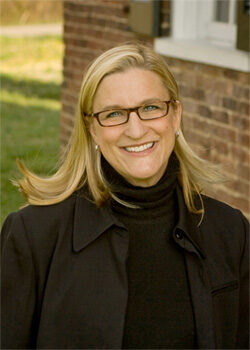 Ruta Sepetys (2017)American writer
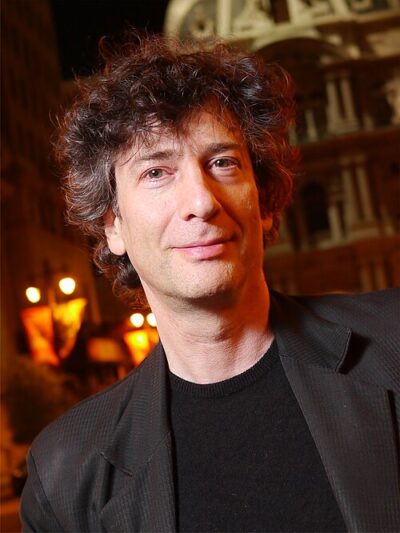 Neil Gaiman (2010)English writer (born 1960)
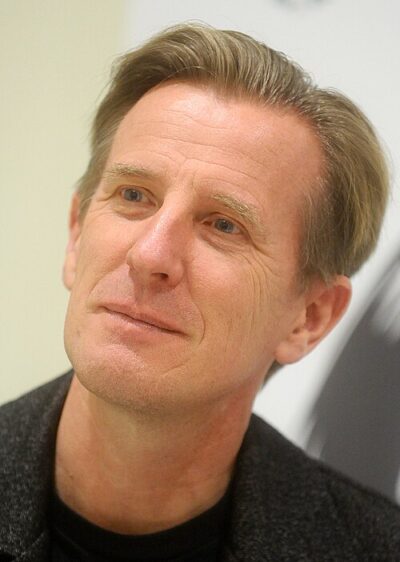 Philip Reeve (2008)English children's writer and illustrator
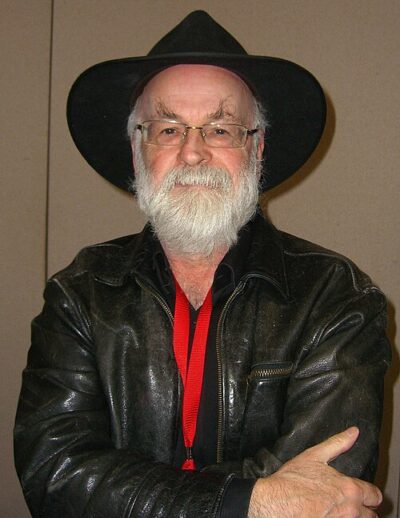 Terry Pratchett (2001)English fantasy author (1948–2015)
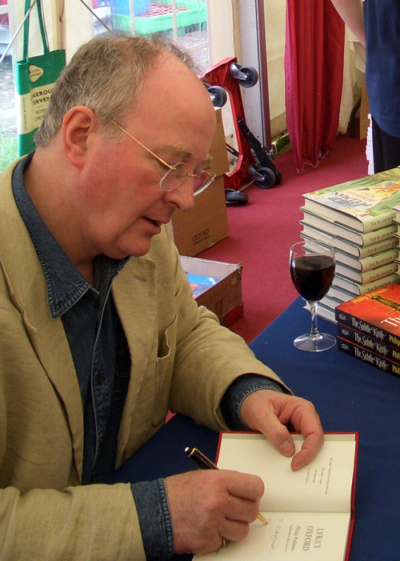 Philip Pullman (1995)English author (born 1946)
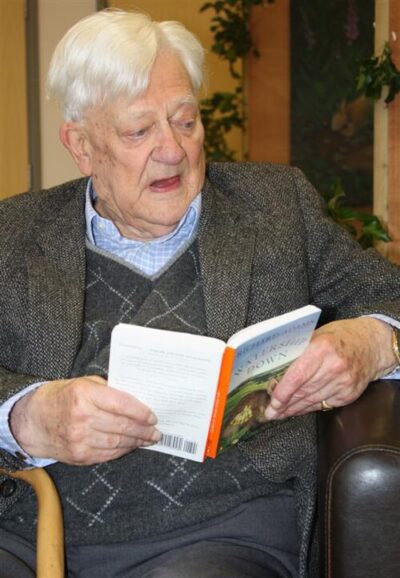 Richard Adams (1972)English novelist best known as the author of Watership Down
 C. S. Lewis (1956)British writer, lay theologian, and scholar (1898–1963)
 Patrick NessAmerican-British novelist and children's writer
