Center versus periphery
Center versus periphery is a linguistic hypothesis of local words "rippling" out.
All 1 facts, and where they come from
Facts
1 facts · 0 confirmed by two sources · 0 cited · 1 from one source
Where this comes from
Papalocal keeps its own record. It started from these sources; what each one said is kept here as it was copied, so a change on their side never changes this page by itself. Tap one to read its version.
What Wikidata says · copied November 19, 2026 · revision 2302538348
- Described as
- linguistic hypothesis of local words "rippling" out
- What it is
- hypothesis
- Wikipedias with a page
- 2
Wikidata item Q5060022 (wikidata.org/wiki/Q5060022), public domain (CC0). Copied 2026-11-19.
What Wikipedia says · copied November 19, 2026 · revision 1281359210
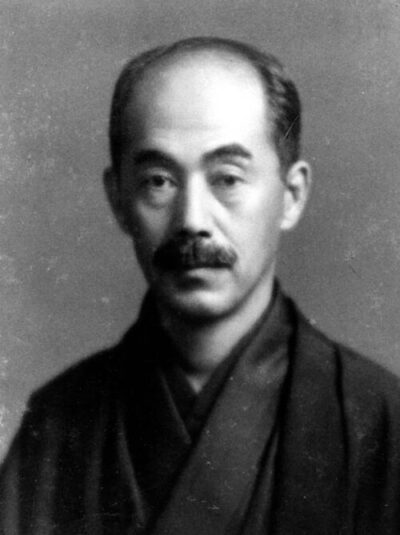
Center versus periphery (方言周圏論, Hōgen-Shūken-Ron; lit. "Surrounding-zones dialect theory") is a linguistic theory put forward by Japanese folklorist Yanagita Kunio explaining the usage of certain words in a language used in some regions while not in others. The theory may also explain the existence of other cultural features, or lack thereof, in differing regions. However, it was specifically created to address linguistic differences.
From the Wikipedia article “Center versus periphery” (en.wikipedia.org/wiki/Center_versus_periphery), by its contributors, under CC BY-SA 4.0 (creativecommons.org/licenses/by-sa/4.0/). Copied 2026-11-19; not changed.
Confirmed Two sources agree. Cited One source, and it names where it got it. One source One source, without a reference of its own. Sources disagree The sources disagree. We show the best-supported value and keep theirs below.