

chamberlain
Chamberlain is an officer in charge of managing a royal household.
All 3 facts, and where they come from
Facts
3 facts · 0 confirmed by two sources · 0 cited · 3 from one source
Where this comes from
Papalocal keeps its own record. It started from these sources; what each one said is kept here as it was copied, so a change on their side never changes this page by itself. Tap one to read its version.
What Wikidata says · copied November 18, 2026 · revision 2569194854
- Described as
- officer in charge of managing a royal household
- What it is
- profession; rank; title of honor
- Wikipedias with a page
- 31
Wikidata item Q264323 (wikidata.org/wiki/Q264323), public domain (CC0). Copied 2026-11-18.
What Wikipedia says · copied November 18, 2026 · revision 1313682062
A chamberlain (Medieval Latin: cambellanus or cambrerius, with charge of treasury camerarius) is a senior royal official in charge of managing a royal household. Historically, the chamberlain superintends the arrangement of domestic affairs and was often also charged with receiving and paying out money kept in the royal chamber. The position was usually awarded as an honour to a high-ranking member of the nobility (nobleman) or the clergy, often a royal favourite. Roman emperors appointed this officer under the title of cubicularius. The Chamberlain of the Holy Roman Church enjoys very extensive powers, having the revenues of the papal household under his charge. As a sign of their dignity, chamberlains bore a key, which in the seventeenth century was often silvered, and actually fitted the door-locks of chamber rooms. Since the eighteenth century, it has turned into a merely symbolic, albeit splendid, rank-insignia of gilded bronze. In many countries there are ceremonial posts associated with the household of the sovereign.
From the Wikipedia article “Chamberlain (office)” (en.wikipedia.org/wiki/Chamberlain_(office)), by its contributors, under CC BY-SA 4.0 (creativecommons.org/licenses/by-sa/4.0/). Copied 2026-11-18; not changed.
Confirmed Two sources agree. Cited One source, and it names where it got it. One source One source, without a reference of its own. Sources disagree The sources disagree. We show the best-supported value and keep theirs below.
Picture: Wikimedia Commons: Michel de Montaigne 1.jpg · See Commons file page
People connected 6
Occupation
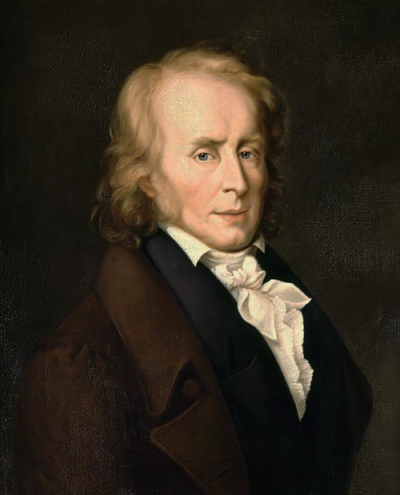 Benjamin ConstantFrench-Swiss politician, writer on politics and religion (1767-2011)
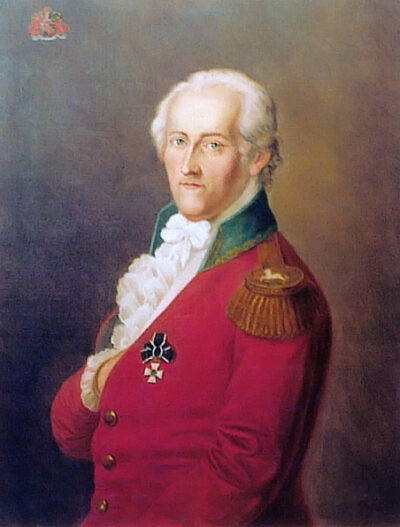 Adolph Freiherr KniggeGerman writer and leading Illuminati member (1752–1796)
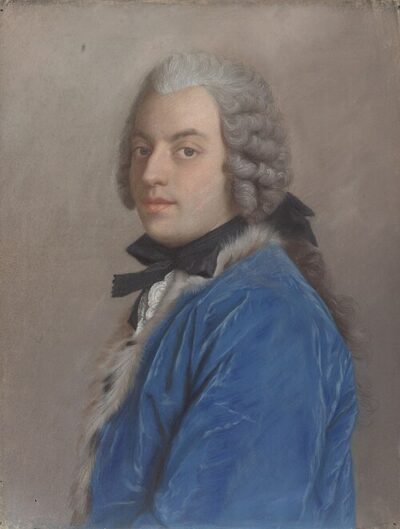 Francesco AlgarottiItalian philosopher (1712-1764)


