

chaplain
Chaplain is a minister of a religious tradition who is attached to an institution, or a parochial vicar (assistent/cooperator priest in the parish).
All 2 facts, and where they come from
Facts
2 facts · 0 confirmed by two sources · 0 cited · 2 from one source
Where this comes from
Papalocal keeps its own record. It started from these sources; what each one said is kept here as it was copied, so a change on their side never changes this page by itself. Tap one to read its version.
What Wikidata says · copied November 16, 2026 · revision 2569051738
- Described as
- minister of a religious tradition who is attached to an institution, or a parochial vicar (assistent/cooperator priest in the parish)
- What it is
- religious role; position
- Wikipedias with a page
- 47
Wikidata item Q208762 (wikidata.org/wiki/Q208762), public domain (CC0). Copied 2026-11-16.
What Wikipedia says · copied November 16, 2026 · revision 1382181901
A chaplain is a trained professional, who provides spiritual, emotional, and psychosocial support in secular or religious institutions, serving people of any faith or no faith. The term chaplaincy can refer to the chapel, facility, or department in which one or more chaplains carry out their role, as well as to the profession itself. The name originates from Martin of Tours, who gave his cappellanu cloak to a veteran in need during a snowstorm.
Though the term chaplain originally referred to representatives of the Christian faith, it is now also applied to people of other religions or philosophical traditions, as in the case of chaplains serving with military forces and an increasing number of chaplaincies at U.S. universities. In recent times, many lay people have received professional training in chaplaincy and are now appointed as chaplains in schools, hospitals, companies, universities, prisons and elsewhere to work alongside, or instead of, official members of the clergy. The concepts of a multi-faith team, secular, generic, or humanist chaplaincy are also gaining increasing use, particularly within healthcare and educational settings.
In the Catholic tradition, a chaplain is also a traditional title for an auxiliary priest (i.e., priest assistant/cooperator) assigned to a parish and subordinate to its pastor. This position is now officially called parochial vicar or assistant priest; some dioceses use the term chaplain officially. Side buildings of some parish houses (i.e., rectories) are traditionally called "chaplain houses". This historic term originated because the chaplain was usually assigned to a filial church or a chapel. Until 1983, the 1917 Code of Canon Law (canons 471–476) distinguished 5 types of parochial vicars: vicarius actualis, vicarius oeconomus, vicarius substitutus, vicarius adiutor, and vicarius cooperator, the latter of whom is traditionally called a chaplain. The 1983 Code of Canon Law does not distinguish such subtypes. The parochial vicar can take charge of part of the parish, groups of parishioners (e.g., youth, students, older adults, etc.), or specific tasks.
From the Wikipedia article “Chaplain” (en.wikipedia.org/wiki/Chaplain), by its contributors, under CC BY-SA 4.0 (creativecommons.org/licenses/by-sa/4.0/). Copied 2026-11-16; not changed.
Confirmed Two sources agree. Cited One source, and it names where it got it. One source One source, without a reference of its own. Sources disagree The sources disagree. We show the best-supported value and keep theirs below.
Picture: Wikimedia Commons: Military chaplains anointing of the Sick.png · See Commons file page
People connected 8
Held this office
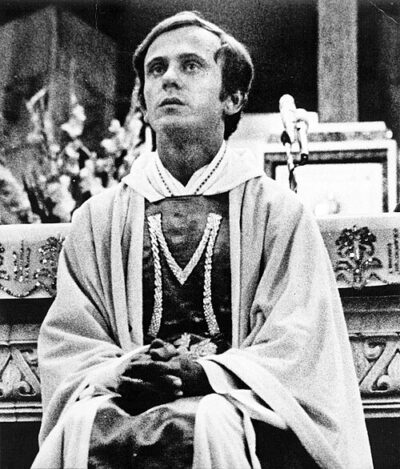 Jerzy Popiełuszko (1980–1984)Polish Catholic priest, martyr, blessed (1947–1984)
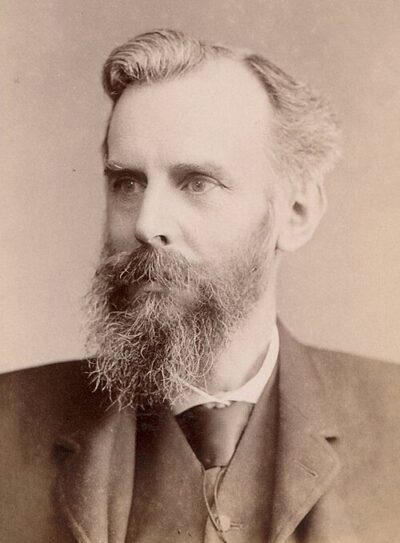 John Venn (1858–1862)British logician and philosopher (1834-1923)
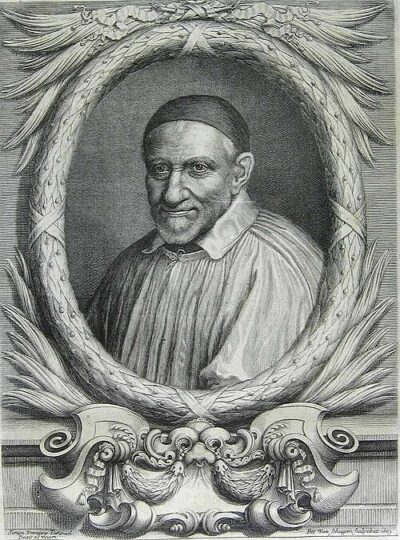 Vincent de PaulFrench priest, founder and saint (1581-1660)
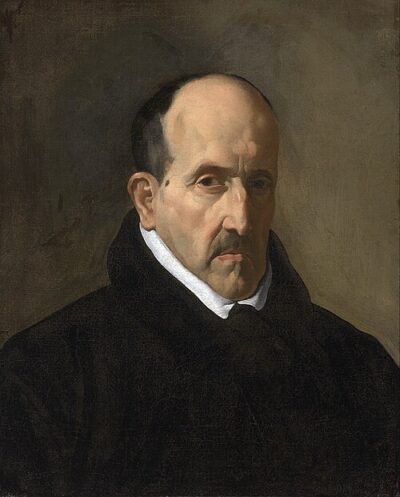 Luis de GóngoraSpanish Baroque lyric poet (1561-1627)
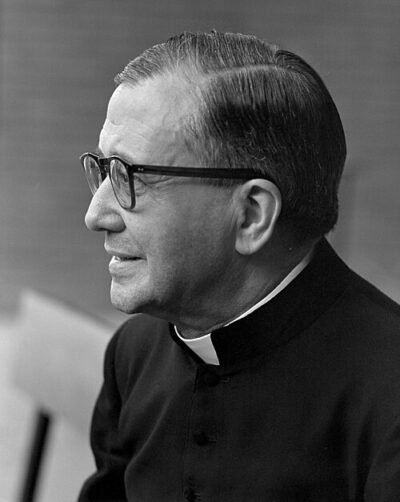 Josemaría EscriváSpanish priest, writer and Catholic saint
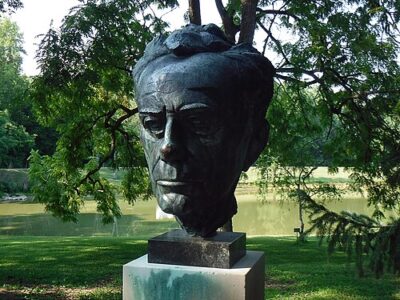 Paul TillichGerman-American theologian and philosopher
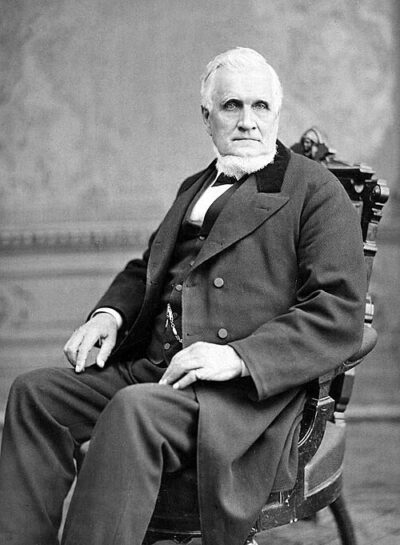 John TaylorBritish-born American religious leader and third president of The Church of Jesus Christ of Latter-day Saints (1808–1887)
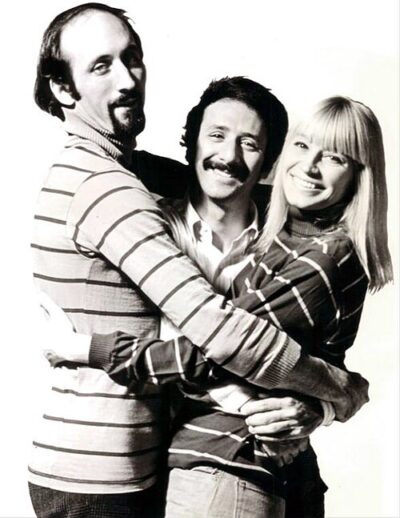 Paul StookeyAmerican singer-songwriter
