Chief Minister of Punjab
Chief Minister of Punjab is a Head of government of the Province of Punjab (Pakistan). It was created in 1947.
- Office of
- Punjab
- Country
- Pakistan
- Created
- August 15, 1947
All 5 facts, and where they come from
Facts
5 facts · 0 confirmed by two sources · 0 cited · 5 from one source
Where this comes from
Papalocal keeps its own record. It started from these sources; what each one said is kept here as it was copied, so a change on their side never changes this page by itself. Tap one to read its version.
What Wikidata says · copied November 17, 2026 · revision 2549878617
- Described as
- Head of government of the Province of Punjab (Pakistan)
- What it is
- public office; position
- Created
- August 15, 1947 · 1 reference
- Country
- Pakistan
- Office of
- Punjab
- Wikipedias with a page
- 4
Wikidata item Q1837955 (wikidata.org/wiki/Q1837955), public domain (CC0). Copied 2026-11-17.
What Wikipedia says · copied November 17, 2026 · revision 1385957415
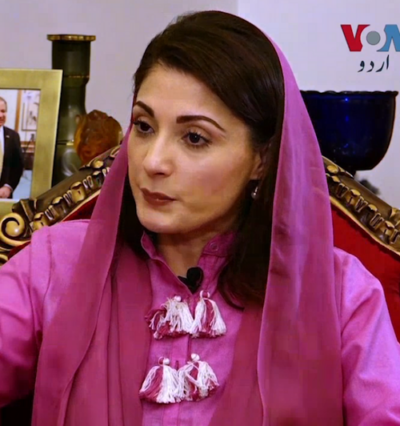
The chief minister of Punjab (Punjabi/Urdu: وزیرِ اعلیٰ پنجاب, romanised: Wazīr-ē-Aʿlā Panjāb) is the head of government of the Pakistani province of Punjab. Elected by the Provincial Assembly of the Punjab, the chief minister leads the executive branch of the government of Punjab along with their appointed cabinet, with the governor of Punjab serving as the nominal head of executive and province. The chief minister is elected by a majority in the Punjab Assembly, where they serve as leader of the House. The office is held by virtue of the officeholder's ability to command the confidence of the Assembly, with no term limits. Maryam Nawaz Sharif is the 19th and current chief minister of Punjab.
The office of Chief Minister is located in Lahore, the capital of the Punjab province and is known as the CM Secretariat.
From the Wikipedia article “Chief Minister of Punjab (Pakistan)” (en.wikipedia.org/wiki/Chief_Minister_of_Punjab_(Pakistan)), by its contributors, under CC BY-SA 4.0 (creativecommons.org/licenses/by-sa/4.0/). Copied 2026-11-17; not changed.
Confirmed Two sources agree. Cited One source, and it names where it got it. One source One source, without a reference of its own. Sources disagree The sources disagree. We show the best-supported value and keep theirs below.