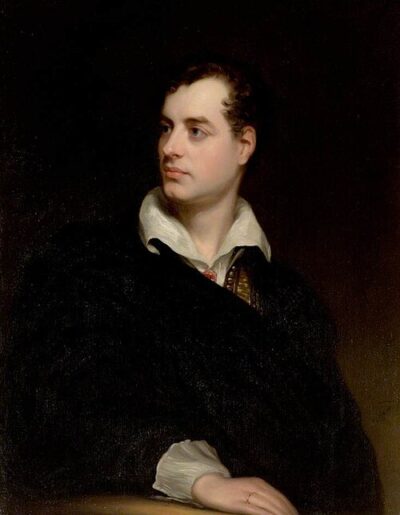
Childe Harold's Pilgrimage
Childe Harold's Pilgrimage is a poem by Lord Byron. It came out in 1812.
- Published
- 1812
- Came out
- 1809
- Written by
- Lord Byron
- Genre
- poetry
- Country of origin
- United Kingdom
All 7 facts, and where they come from
Facts
7 facts · 0 confirmed by two sources · 0 cited · 7 from one source
Where this comes from
Papalocal keeps its own record. It started from these sources; what each one said is kept here as it was copied, so a change on their side never changes this page by itself. Tap one to read its version.
What Wikidata says · copied November 17, 2026 · revision 2526050337
- Described as
- poem by Lord Byron
- Other names
- Childe Harold
- What it is
- literary work
- Written by
- Lord Byron
- Genre
- poetry
- Published
- 1812
- Language
- English
- Country of origin
- United Kingdom · 1 reference
- Came out
- 1809
- Wikipedias with a page
- 28
Wikidata item Q1072741 (wikidata.org/wiki/Q1072741), public domain (CC0). Copied 2026-11-17.
What Wikipedia says · copied November 17, 2026 · revision 1384239087
Childe Harold's Pilgrimage: A Romaunt is a long narrative poem in four parts written by Lord Byron. The poem was published between 1812 and 1818. Dedicated to "Ianthe", it describes the travels and reflections of a young man disillusioned with a life of pleasure and revelry and looking for distraction in foreign lands. In a wider sense, it is an expression of the melancholy and disillusionment which was felt by a generation weary of the wars of the post-Revolutionary and Napoleonic eras. The title comes from the term childe, a medieval title for a young man who was a candidate for knighthood.
The poem was widely imitated. It contributed to the cult of the wandering Byronic hero who falls into melancholic reverie as he contemplates scenes of natural beauty. Its autobiographical subjectivity was widely influential, not only in literature but in the arts of music and painting as well, and was a powerful ingredient in European Romanticism.
From the Wikipedia article “Childe Harold's Pilgrimage” (en.wikipedia.org/wiki/Childe_Harold's_Pilgrimage), by its contributors, under CC BY-SA 4.0 (creativecommons.org/licenses/by-sa/4.0/). Copied 2026-11-17; not changed.
Confirmed Two sources agree. Cited One source, and it names where it got it. One source One source, without a reference of its own. Sources disagree The sources disagree. We show the best-supported value and keep theirs below.
Picture: Wikimedia Commons: Title Page of Childe Harold's Pilgrimage, circa 1812.png · See Commons file page