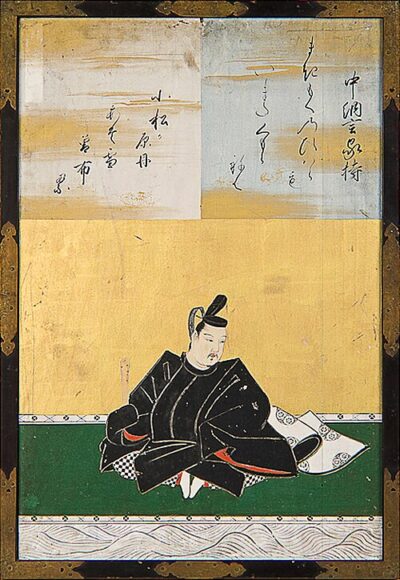
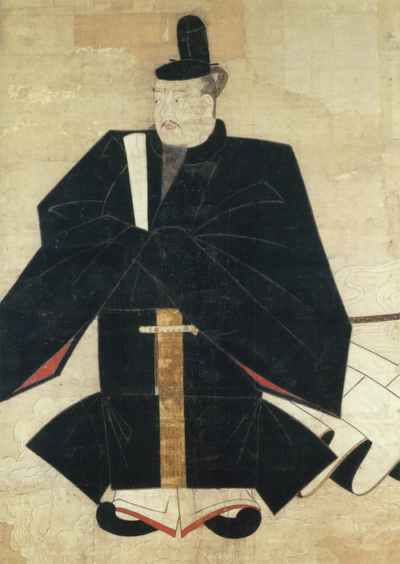
Chūnagon
Chūnagon is an East Asian extra-statutory office. It was created in 705.
- Country
- Japan
- Created
- 705
All 3 facts, and where they come from
Facts
3 facts · 0 confirmed by two sources · 0 cited · 3 from one source
Where this comes from
Papalocal keeps its own record. It started from these sources; what each one said is kept here as it was copied, so a change on their side never changes this page by itself. Tap one to read its version.
What Wikidata says · copied November 17, 2026 · revision 2570195194
- Described as
- 太政官に置かれた令外官のひとつ
- Other names
- Chunagon, Middle Counselor
- What it is
- East Asian extra-statutory office
- Created
- 705
- Country
- Japan
- Wikipedias with a page
- 14
Wikidata item Q1185382 (wikidata.org/wiki/Q1185382), public domain (CC0). Copied 2026-11-17.
What Wikipedia says · copied November 17, 2026 · revision 1145031223
Chūnagon (中納言) was a counselor of the second rank in the Imperial court of Japan. The role dates from the 7th century.
The role was eliminated from the Imperial hierarchy in 701, but it was re-established in 705. This advisory position remained a part of the Imperial court from the 8th century until the Meiji period in the 19th century.
This became a Taihō Code office in the early feudal Japanese government or daijō-kan.
In the ranks of the Imperial bureaucracy, the Chūnagon came between the Dainagon (major counselors) and the Shōnagon (minor counselors). Imperial honors included the sometimes creation of a temporary or "acting middle counselor" (権中納言, gon-chūnagon).
The number of Chūnagon has varied, from three in 705 to four in 756. There were eight in 1015; and in later years, there were up to ten Chūnagon at one time.
From the Wikipedia article “Chūnagon” (en.wikipedia.org/wiki/Chūnagon), by its contributors, under CC BY-SA 4.0 (creativecommons.org/licenses/by-sa/4.0/). Copied 2026-11-17; not changed.
Confirmed Two sources agree. Cited One source, and it names where it got it. One source One source, without a reference of its own. Sources disagree The sources disagree. We show the best-supported value and keep theirs below.