
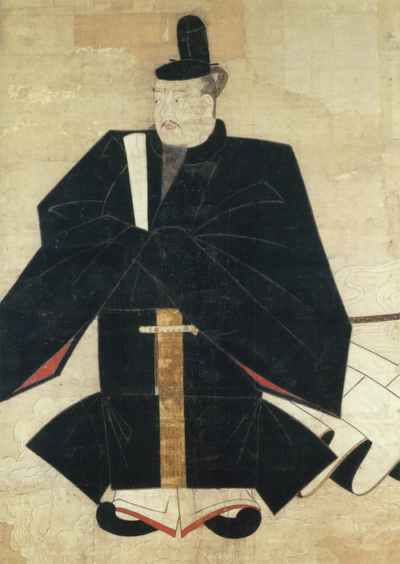
Sugawara no Michizane
Sugawara no Michizane was a Japanese poet. Born August 1, 845, in Kyoto. Died March 26, 903, in Dazaifu. Positions held include monjō hakase (877–886), naiki and Kurōdonotō (891–). Known for Ruijū Kokushi, Nihon Sandai Jitsuroku and Kanke Bunsō.
Facts
37 facts · 2 confirmed by two sources · 1 cited · 34 from one source
Where this comes from
Papalocal keeps its own record. It started from these sources; what each one said is kept here as it was copied, so a change on their side never changes this page by itself. Tap one to read its version.
What Wikidata says · copied November 16, 2026 · revision 2562777222
- Described as
- Japanese poet
- Other names
- Kanke
- Born
- August 1, 845
- Died
- March 26, 903
- Born in
- Kyoto
- Died in
- Dazaifu
- Buried in
- Dazaifu Tenmangū
- Citizen of
- Japan · 1 reference
- Occupation
- poet; writer; diplomat; kugyō
- Positions held
- monjō hakase (877–886); naiki; Kurōdonotō (891–); Sangi (893–); benkan; Chūnagon; Dainagon; imperial tutor; Udaijin (899–); Dazai-no-gon-no-sochi (901–)
- Known for
- Ruijū Kokushi; Nihon Sandai Jitsuroku; Kanke Bunsō
- Field
- history of Japan
- Spouse
- Shimada no Nobukiko
- Children
- Sugawara no Takami; Sugawara no Atsushige; Sugawara no Enshi; Sugawara no Yasuko; Sugawara no Yasushige; Sugawara no Kageyuki; Sugawara no Kageaki; Sugawara no Kaneshige; Sugawara no Nobushige; Sugawara no Yoshishige
- Father
- Sugawara no Koreyoshi
- Mother
- Tomoshi
- Wikipedias with a page
- 36
Wikidata item Q382005 (wikidata.org/wiki/Q382005), public domain (CC0). Copied November 16, 2026.
What Wikipedia says · copied November 16, 2026 · revision 1384920277
Sugawara no Michizane (菅原 道真; Japanese pronunciation: [sɯ.ɡa.wa.ɾa no (|) mʲi.tɕiꜜ.(d)za.ne, sɯ.ŋa-], August 1, 845 – March 26, 903), or Kankō (菅公; [kaꜜŋ.koː], lit. 'Lord Sugawara'), was a scholar, poet, and politician of the Heian period of Japan. He is regarded as an excellent poet, particularly in waka and kanshi poetry, and is today revered in Shinto as the god of learning, Tenman-Tenjin (天満天神; often shortened to Tenjin). In the famed poem anthology Hyakunin Isshu, he is known as Kanke (菅家), and in kabuki drama he is known as Kan Shōjō (菅丞相). Along with Taira no Masakado and Emperor Sutoku, he is often called one of the "Three Great Onryō of Japan".
- Born, in its opening lines
- August 1, 845
- Died, in its opening lines
- March 26, 903
From the Wikipedia article “Sugawara no Michizane” (en.wikipedia.org/wiki/Sugawara_no_Michizane), by its contributors, under CC BY-SA 4.0 (creativecommons.org/licenses/by-sa/4.0/). Copied November 16, 2026; not changed.
Confirmed Two sources agree. Cited One source, and it names where it got it. One source One source, without a reference of its own. Sources disagree The sources disagree. We show the best-supported value and keep theirs below.
