
Communist Party of Poland
Communist Party of Poland is a communist party in interwar Poland (1918–1938). It stands for communism, Marxism–Leninism and Luxemburgism.
- Country
- Poland
- Founded
- 1918
- Ideology
- communism
All 9 facts, and where they come from
Facts
9 facts · 0 confirmed by two sources · 0 cited · 9 from one source
Where this comes from
Papalocal keeps its own record. It started from these sources; what each one said is kept here as it was copied, so a change on their side never changes this page by itself. Tap one to read its version.
What Wikidata says · copied November 17, 2026 · revision 2549165125
- Described as
- communist party in interwar Poland (1918–1938)
- Other names
- KPP, Polish Communist Party, Communist Workers Party of Poland
- What it is
- communist party
- Comes after
- Social Democracy of the Kingdom of Poland and Lithuania
- Founded
- 1918
- Ended
- 1938
- Country
- Poland
- Ideology
- communism; Marxism–Leninism; Luxemburgism · 1 reference; revolutionary socialism · 1 reference
- Wikipedias with a page
- 20
Wikidata item Q605468 (wikidata.org/wiki/Q605468), public domain (CC0). Copied 2026-11-17.
What Wikipedia says · copied November 17, 2026 · revision 1358145915
The interwar Communist Party of Poland (Polish: Komunistyczna Partia Polski, KPP) was a communist party active in Poland during the Second Polish Republic. It resulted from a merger in December 1918 of the Social Democracy of the Kingdom of Poland and Lithuania (SDKPiL) and the Polish Socialist Party – Left (PPS – Left) into the Communist Workers' Party of Poland (Komunistyczna Partia Robotnicza Polski, KPRP). The communists were a small force in Polish politics.
The Communist Party of Poland (until 1925 the Communist Workers' Party of Poland) was an organization of the radical Left. Following the ideas of Rosa Luxemburg, the party's aim was to create a Polish Socialist Republic, to be included in the planned Pan-European Commonwealth of Socialist States. The party did not support the formation of the Second Polish Republic in 1918 and supported the Bolsheviks (led by Vladimir Lenin) in the 1920 Polish–Soviet War.
The views adhered to and promulgated by the leaders of the KPP (Maria Koszutska, Adolf Warski, Maksymilian Horwitz, and Edward Próchniak) led to the party's difficult relationship with Stalin. The Communist International (Comintern) condemned the KPP for its support of Józef Piłsudski's May Coup of 1926 (the party's "May error"). From 1933, the KPP was increasingly treated with suspicion by the Comintern. The party structures were seen as compromised due to infiltration by agents of the Polish military intelligence. Some of the party leaders, falsely accused of being such agents, were subsequently executed in the Soviet Union. In 1935 and 1936, the KPP undertook a formation of a unified worker and peasant front in Poland and was then subjected to further persecutions by the Comintern, which also arbitrarily accused the Polish communists of harboring Trotskyists elements in their ranks. The apogee of the Moscow-held prosecutions, aimed at eradicating the various "deviations" and ending usually in death sentences, took place in 1937–38, with the last executions carried out in 1940.
KPP members were persecuted and often imprisoned by the Polish Sanation regime, which turned out to likely save the lives of a number of future Polish communist leaders, including Bolesław Bierut, Władysław Gomułka, Alfred Lampe, Edward Ochab, Stefan Jędrychowski, and Aleksander Zawadzki (among former KPP members transferred during World War II from the Soviet Union to Poland for conspiratorial work were Mieczysław Moczar and Marian Spychalski). During the Great Purge, seventy members and candidate members of the party's central committee fled or were brought to the Soviet Union and were shot there, along with many other activists (almost all prominent Polish communists were murdered or sent to labor camps). The Comintern, in reality directed by Stalin, in 1938 had the party dissolved and liquidated.
From the Wikipedia article “Communist Party of Poland” (en.wikipedia.org/wiki/Communist_Party_of_Poland), by its contributors, under CC BY-SA 4.0 (creativecommons.org/licenses/by-sa/4.0/). Copied 2026-11-17; not changed.
Confirmed Two sources agree. Cited One source, and it names where it got it. One source One source, without a reference of its own. Sources disagree The sources disagree. We show the best-supported value and keep theirs below.
People connected 6
Party members
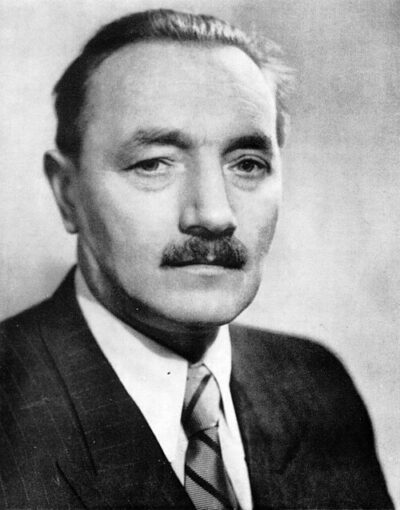 Bolesław BierutPolish politician and leader of Poland (1947–1956)
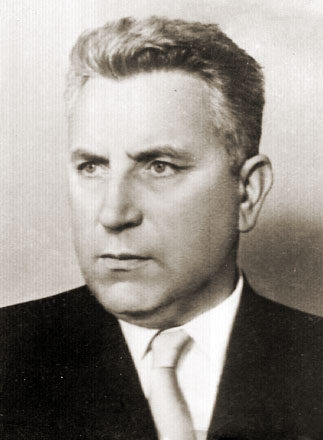 Edward OchabPolish general (1906-1989)
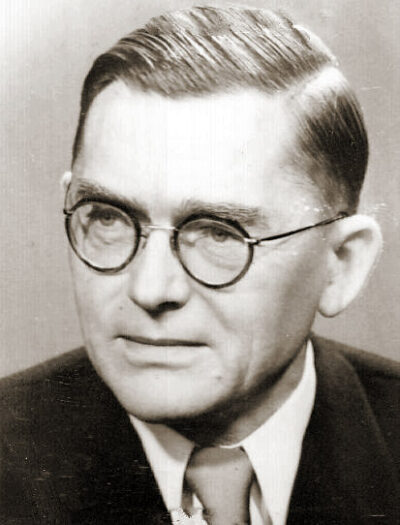 Aleksander Zawadzki (1923–1938)Polish politician (1899-1964)
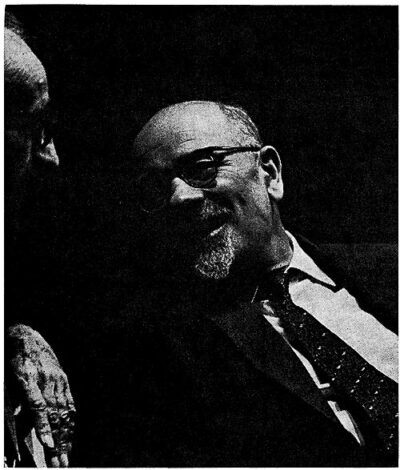 Isaac Deutscher (1927–1932)Polish Marxist historian and Trotskyist communist (1907-1967)
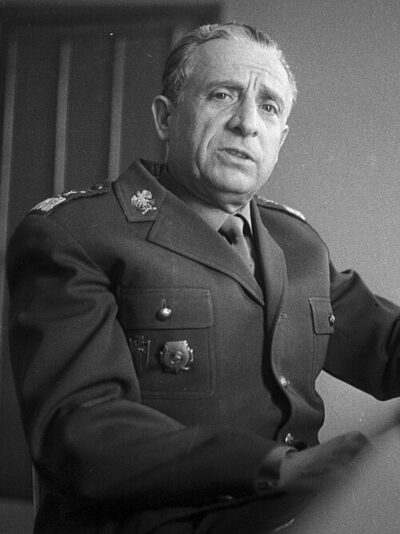 Marian Spychalski (1931–)Polish architect, military officer and communist politician
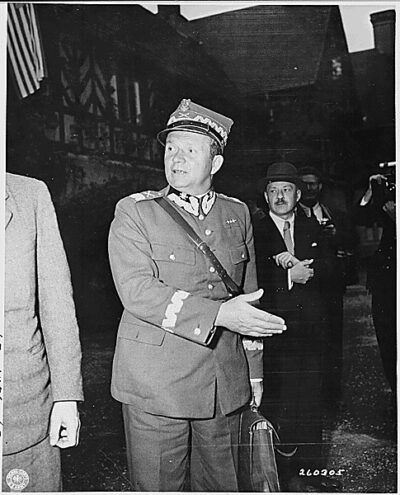 Michał Rola-ŻymierskiMarshal of Poland (1890-1989)
