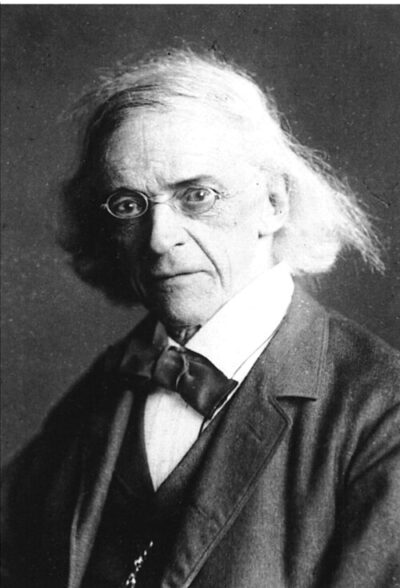
Corpus Inscriptionum Latinarum
Corpus Inscriptionum Latinarum is a comprehensive collection of ancient Latin inscriptions. It came out in 1862. It was written by Theodor Mommsen.
- Released
- 1862
- Written by
- Theodor Mommsen
All 7 facts, and where they come from
Facts
7 facts · 0 confirmed by two sources · 0 cited · 7 from one source
Where this comes from
Papalocal keeps its own record. It started from these sources; what each one said is kept here as it was copied, so a change on their side never changes this page by itself. Tap one to read its version.
What Wikidata says · copied November 17, 2026 · revision 2502535143
- Described as
- comprehensive collection of ancient Latin inscriptions
- Other names
- CIL
- What it is
- editorial collection; catalog; collection
- Written by
- Theodor Mommsen
- Released
- 1862
- Language
- Latin
- Official website
- https://cil.bbaw.de
- Wikipedias with a page
- 28
Wikidata item Q691007 (wikidata.org/wiki/Q691007), public domain (CC0). Copied 2026-11-17.
What Wikipedia says · copied November 17, 2026 · revision 1347761912
The Corpus Inscriptionum Latinarum (CIL) is a comprehensive collection of ancient Latin inscriptions. It forms an authoritative source for documenting the surviving epigraphy of classical antiquity. Public and personal inscriptions throw light on all aspects of Roman life and history. The Corpus continues to be updated in new editions and supplements.
CIL also refers to the organization within the Berlin-Brandenburg Academy of Sciences and Humanities responsible for collecting data on and publishing the Latin inscriptions. It was founded in 1853 by Theodor Mommsen and is the first and major organization aiming at a comprehensive survey.
From the Wikipedia article “Corpus Inscriptionum Latinarum” (en.wikipedia.org/wiki/Corpus_Inscriptionum_Latinarum), by its contributors, under CC BY-SA 4.0 (creativecommons.org/licenses/by-sa/4.0/). Copied 2026-11-17; not changed.
Confirmed Two sources agree. Cited One source, and it names where it got it. One source One source, without a reference of its own. Sources disagree The sources disagree. We show the best-supported value and keep theirs below.