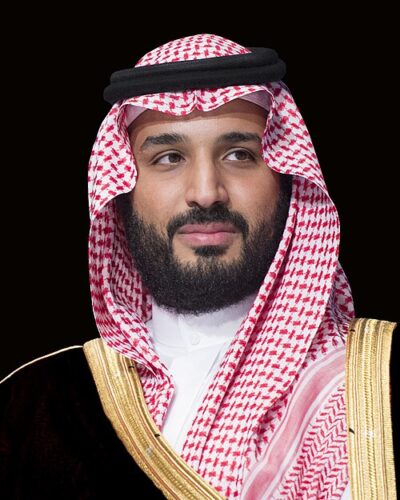
Council of Ministers of Saudi Arabia
The Council of Ministers of Saudi Arabia is a cabinet of the Kingdom of Saudi Arabia. It was founded in 1953 by Ibn Saud. Its headquarters are in Palace of Yamamah.
- Founded
- 1953
- Founded by
- Ibn Saud
- Headquarters
- Palace of Yamamah
- Country
- Saudi Arabia
All 7 facts, and where they come from
Facts
7 facts · 0 confirmed by two sources · 0 cited · 7 from one source
Where this comes from
Papalocal keeps its own record. It started from these sources; what each one said is kept here as it was copied, so a change on their side never changes this page by itself. Tap one to read its version.
What Wikidata says · copied November 17, 2026 · revision 2443413903
- Described as
- cabinet of the Kingdom of Saudi Arabia
- Other names
- Council of Ministers of the Kingdom of Saudi Arabia, Government of the Custodian of the Two Holy Mosques
- What it is
- cabinet
- Founded
- 1953 · 1 reference
- Founded by
- Ibn Saud
- Headquarters
- Palace of Yamamah · 1 reference
- Country
- Saudi Arabia
- Chair
- Salman bin Abdulaziz Al Saud (2015–) · 1 reference
- Office of
- Saudi Arabia
- Wikipedias with a page
- 14
Wikidata item Q14654732 (wikidata.org/wiki/Q14654732), public domain (CC0). Copied 2026-11-17.
What Wikipedia says · copied November 17, 2026 · revision 1380176392
The Council of Ministers (Arabic: مجلس الوزراء) is the cabinet and highest executive body of the Government of Saudi Arabia. It is chaired by the prime minister, a position traditionally held by either the king or the crown prince. Since 27 September 2022, the council has been chaired by Crown Prince Mohammed bin Salman.
From the Wikipedia article “Council of Ministers of Saudi Arabia” (en.wikipedia.org/wiki/Council_of_Ministers_of_Saudi_Arabia), by its contributors, under CC BY-SA 4.0 (creativecommons.org/licenses/by-sa/4.0/). Copied 2026-11-17; not changed.
Confirmed Two sources agree. Cited One source, and it names where it got it. One source One source, without a reference of its own. Sources disagree The sources disagree. We show the best-supported value and keep theirs below.
People connected 3
Members
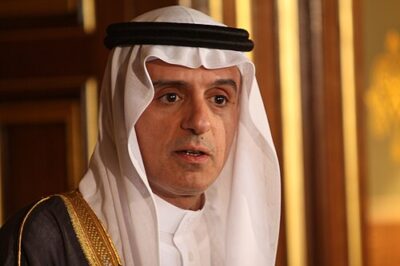 Adel al-JubeirSaudi diplomat and minister of foreign affairs (born 1962)
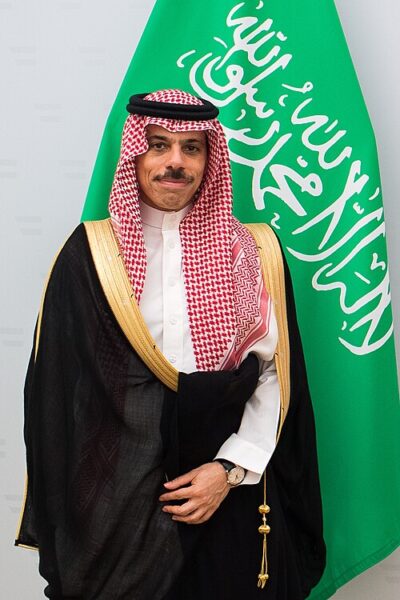 Faisal bin Farhan (2019)Saudi Foreign Minister (2019–present)