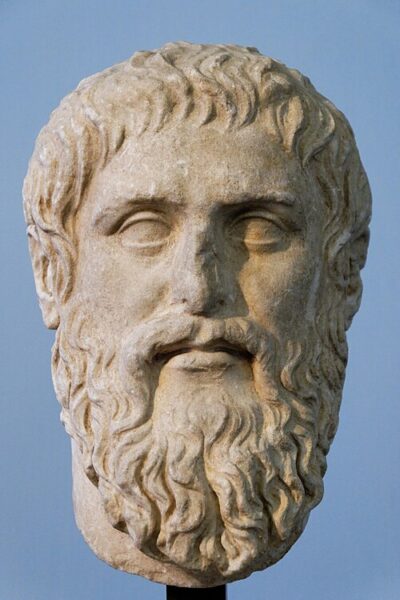
Crito
Crito is a Platonic dialogue concerning justice and injustice.
- Published
- 4th century BC
- Written by
- Plato
- Genre
- Socratic dialogue
All 6 facts, and where they come from
Facts
6 facts · 0 confirmed by two sources · 0 cited · 6 from one source
Where this comes from
Papalocal keeps its own record. It started from these sources; what each one said is kept here as it was copied, so a change on their side never changes this page by itself. Tap one to read its version.
What Wikidata says · copied November 17, 2026 · revision 2517587644
- Described as
- Platonic dialogue concerning justice and injustice
- Other names
- Plat. Crito
- What it is
- literary work
- Written by
- Plato
- Genre
- Socratic dialogue
- Published
- 4th century BC
- Language
- Ancient Greek
- Part of the series
- Platonic dialogue · 1 reference
- Wikipedias with a page
- 51
Wikidata item Q267634 (wikidata.org/wiki/Q267634), public domain (CC0). Copied 2026-11-17.
What Wikipedia says · copied November 17, 2026 · revision 1384442977
Crito ( KRY-toh or KREE-toh; Ancient Greek: Κρίτων [krítɔːn]) is a dialogue written by the ancient Greek philosopher Plato. It depicts a conversation between Socrates and his wealthy friend Crito of Alopece regarding justice (δικαιοσύνη), injustice (ἀδικία), and the appropriate response to injustice. It follows Socrates' imprisonment, just after the events of the Apology.
In Crito, Socrates believes injustice may not be answered with injustice, personifies the Laws of Athens to prove this, and refuses Crito's offer to finance his escape from prison. The dialogue contains an ancient statement of the social contract theory of government. In contemporary discussions, the meaning of Crito is debated to determine whether it is a plea for unconditional obedience to the laws of a society. The text is one of the few Platonic dialogues that appear to be unaffected by Plato's opinions on the matter; it is dated to have been written around the same time as the Apology.
From the Wikipedia article “Crito” (en.wikipedia.org/wiki/Crito), by its contributors, under CC BY-SA 4.0 (creativecommons.org/licenses/by-sa/4.0/). Copied 2026-11-17; not changed.
Confirmed Two sources agree. Cited One source, and it names where it got it. One source One source, without a reference of its own. Sources disagree The sources disagree. We show the best-supported value and keep theirs below.
Picture: Wikimedia Commons: Critone - c1.jpg · See Commons file page