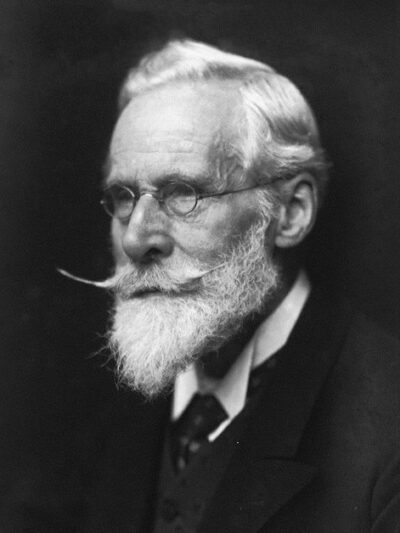
Crookes radiometer
Crookes radiometer is a device that rotates under influence of light.
All 1 facts, and where they come from
Facts
1 facts · 0 confirmed by two sources · 0 cited · 1 from one source
Where this comes from
Papalocal keeps its own record. It started from these sources; what each one said is kept here as it was copied, so a change on their side never changes this page by itself. Tap one to read its version.
What Wikidata says · copied November 17, 2026 · revision 2567805121
- Described as
- device that rotates under influence of light
- Other names
- light mill
- Named after
- William Crookes
- Wikipedias with a page
- 27
Wikidata item Q1334758 (wikidata.org/wiki/Q1334758), public domain (CC0). Copied 2026-11-17.
What Wikipedia says · copied November 17, 2026 · revision 1362207043
The Crookes radiometer (also known as a light mill) consists of an airtight glass bulb containing a partial vacuum, with a set of vanes which are mounted on a spindle inside. The vanes rotate when exposed to light, with faster rotation for more intense light, providing a quantitative measurement of electromagnetic radiation intensity.
The reason for the rotation was a cause of much scientific debate in the ten years following the invention of the device, but in 1879 the currently accepted explanation for the rotation was published. Today the device is mainly used in physics education as a demonstration of a heat engine run by light energy.
It was invented in 1873 by the chemist Sir William Crookes as the by-product of some chemical research. In the course of very accurate quantitative chemical work, he was weighing samples in a partially evacuated chamber to reduce the effect of air currents, and noticed the weighings were disturbed when sunlight shone on the balance. Investigating this effect, he created the device named after him.
It is still manufactured and sold as an educational aid or for curiosity.
From the Wikipedia article “Crookes radiometer” (en.wikipedia.org/wiki/Crookes_radiometer), by its contributors, under CC BY-SA 4.0 (creativecommons.org/licenses/by-sa/4.0/). Copied 2026-11-17; not changed.
Confirmed Two sources agree. Cited One source, and it names where it got it. One source One source, without a reference of its own. Sources disagree The sources disagree. We show the best-supported value and keep theirs below.
Picture: Wikimedia Commons: Crookes radiometer.jpg · See Commons file page