Cur Deus homo
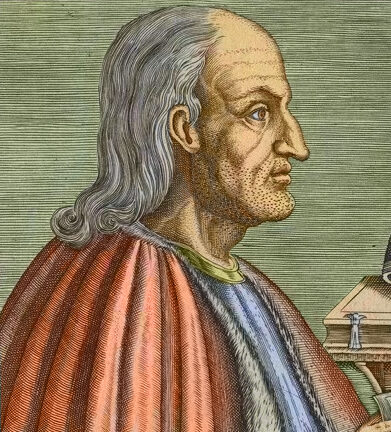
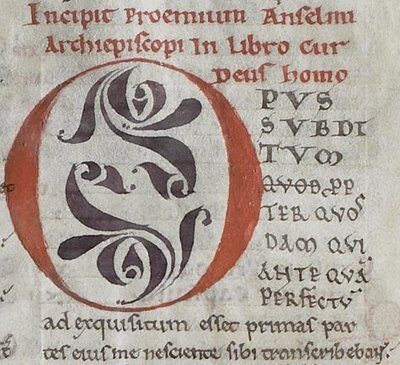
Cur Deus homo is an essay by Anselm of Canterbury. It came out in 1098.
- Published
- 1098
- Written by
- Anselm of Canterbury
- Genre
- treatise
- Country of origin
- Kingdom of England
All 7 facts, and where they come from
Facts
7 facts · 0 confirmed by two sources · 0 cited · 7 from one source
Where this comes from
Papalocal keeps its own record. It started from these sources; what each one said is kept here as it was copied, so a change on their side never changes this page by itself. Tap one to read its version.
What Wikidata says · copied November 17, 2026 · revision 2567573943
- Described as
- essay by Anselm of Canterbury
- Other names
- Why was God a Man?, Why God Became a Man, Cur Deus homo?
- What it is
- reference work; literary work
- Written by
- Anselm of Canterbury
- Genre
- treatise
- Published
- 1098 · 1 reference
- Language
- medieval Latin
- Country of origin
- Kingdom of England
- Wikipedias with a page
- 15
Wikidata item Q83522 (wikidata.org/wiki/Q83522), public domain (CC0). Copied 2026-11-17.
What Wikipedia says · copied November 17, 2026 · revision 1384742943
Cur Deus Homo? (Latin for "Why [Was] God a Human?"), usually translated Why God Became Man, is a book written by Anselm of Canterbury in the period of 1094–1098. In this work he proposes the satisfaction view of the atonement.
The work contrasted with earlier redemptive thought in arguing against the notion of the devil's rights of possession over humanity. Anselm's argument in Cur Deus Homo was that the death of Christ was a 'payment' made by God to himself on behalf of man through the person of Christ.The arguments Anselm pursued in Cur Deus Homo were to demonstrate the logical necessity of the incarnation and passion. This was not, however, to 'prove' Christian doctrine to allow for faith, but to confirm through logic what was held in faith: fides quaerens intellectum. As Anselm explained: I have been often and most earnestly requested by many, both personally and by letter, that I would hand down in writing the proofs of a certain doctrine of our faith, which I am accustomed to give to inquirers; for they say that these proofs gratify them, and are considered sufficient. This they ask, not for the sake of attaining to faith by means of reason, but that they may be gladdened by understanding and meditating on those things which they believe; and that, as far as possible, they may be always ready to convince any one who demands of them a reason of that hope which is in us.
From the Wikipedia article “Cur Deus Homo” (en.wikipedia.org/wiki/Cur_Deus_Homo), by its contributors, under CC BY-SA 4.0 (creativecommons.org/licenses/by-sa/4.0/). Copied 2026-11-17; not changed.
Confirmed Two sources agree. Cited One source, and it names where it got it. One source One source, without a reference of its own. Sources disagree The sources disagree. We show the best-supported value and keep theirs below.
Picture: Original author: Anselm of Canterbury; unknown amanuensis., via Wikimedia Commons · Public domain