Cyrano de Bergerac
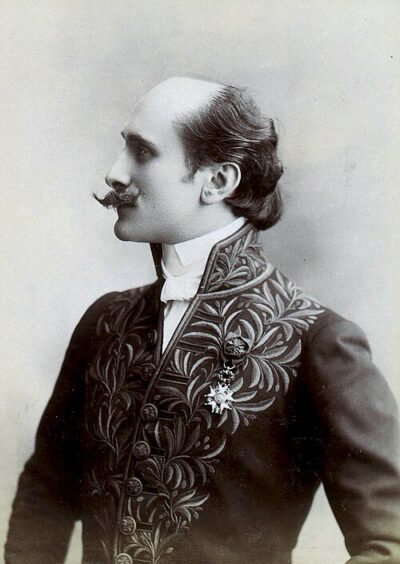
Cyrano de Bergerac is a play written in 1897 by Edmond Rostand.
- Published
- 1897
- Written by
- Edmond Rostand
- Genre
- comedy
- Country of origin
- France
All 7 facts, and where they come from
Facts
7 facts · 0 confirmed by two sources · 1 cited · 6 from one source
Where this comes from
Papalocal keeps its own record. It started from these sources; what each one said is kept here as it was copied, so a change on their side never changes this page by itself. Tap one to read its version.
What Wikidata says · copied November 17, 2026 · revision 2564440176
- Described as
- play written in 1897 by Edmond Rostand
- What it is
- literary work
- Written by
- Edmond Rostand
- Genre
- comedy · 1 reference
- Published
- 1897
- Language
- French
- Country of origin
- France
- Named after
- Cyrano de Bergerac
- Wikipedias with a page
- 33
Wikidata item Q1048916 (wikidata.org/wiki/Q1048916), public domain (CC0). Copied 2026-11-17.
What Wikipedia says · copied November 17, 2026 · revision 1385658300
Cyrano de Bergerac ( SIRR-ə-noh də BUR-zhə-rak, – BAIR-, French: [siʁano d(ə) bɛʁʒəʁak]) is a French play written in 1897 by Edmond Rostand. The play includes elements of the life of the 17th-century novelist and playwright Cyrano de Bergerac, along with elements of invention and myth. Cyrano's large nose is based on reality (see the accompanying portrait) but in performance of the play is usually exaggerated.
The entire play is written in verse, in rhyming couplets of twelve syllables per line, very close to the classical alexandrine form, but the verses sometimes lack a caesura. It is also meticulously researched, down to the names of the members of the Académie française and the dames précieuses glimpsed before the performance in the first scene.
The play has been translated and performed many times, and it is responsible for introducing the word panache into the English language. The character of Cyrano himself makes reference to "my panache" in the play. The most famous English translations are those by Brian Hooker, Anthony Burgess, and Louis Untermeyer.
From the Wikipedia article “Cyrano de Bergerac (play)” (en.wikipedia.org/wiki/Cyrano_de_Bergerac_(play)), by its contributors, under CC BY-SA 4.0 (creativecommons.org/licenses/by-sa/4.0/). Copied 2026-11-17; not changed.
Confirmed Two sources agree. Cited One source, and it names where it got it. One source One source, without a reference of its own. Sources disagree The sources disagree. We show the best-supported value and keep theirs below.
Picture: Wikimedia Commons: Rostand - Cyrano de Bergerac.djvu · See Commons file page