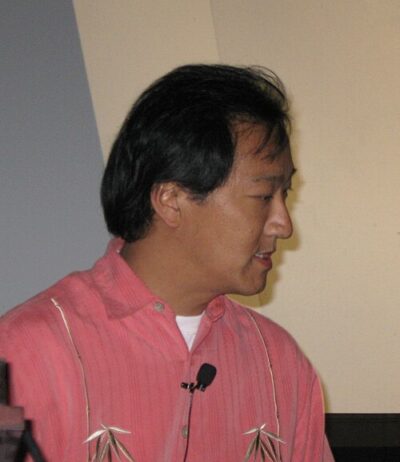
David and Lucile Packard Foundation
David and Lucile Packard Foundation is a foundation. It was created in 1964 by David Packard. Its headquarters are in Los Altos.
- Country
- United States
- Created
- 1964
All 9 facts, and where they come from
Facts
9 facts · 0 confirmed by two sources · 0 cited · 9 from one source
Where this comes from
Papalocal keeps its own record. It started from these sources; what each one said is kept here as it was copied, so a change on their side never changes this page by itself. Tap one to read its version.
What Wikidata says · copied November 20, 2026 · revision 2474523318
- Described as
- foundation
- Other names
- David and Lucille Packard Foundation
- What it is
- foundation
- Created
- 1964 · 1 reference
- Founded by
- David Packard
- Headquarters
- Los Altos
- Located in
- Los Altos · 1 reference
- Country
- United States · 1 reference
- Named after
- David Packard; Lucile Salter
- Official website
- https://www.packard.org/
- Wikipedias with a page
- 5
Wikidata item Q1177343 (wikidata.org/wiki/Q1177343), public domain (CC0). Copied 2026-11-20.
What Wikipedia says · copied November 20, 2026 · revision 1383277113
The David and Lucile Packard Foundation is a private foundation that provides grants to not-for-profit organizations. It was created in 1964 by David Packard (co-founder of HP) and his wife Lucile Salter Packard. Following David Packard's death in 1996, the Foundation became the beneficiary of part of his estate.
The foundation's goals, through the use of grants, are to "improve the lives of children, enable creative pursuit of science, advance reproductive health, and conserve and restore earth's natural systems." As of 2016, The David and Lucile Packard Foundation was the 20th wealthiest foundation in the United States.
From the Wikipedia article “David and Lucile Packard Foundation” (en.wikipedia.org/wiki/David_and_Lucile_Packard_Foundation), by its contributors, under CC BY-SA 4.0 (creativecommons.org/licenses/by-sa/4.0/). Copied 2026-11-20; not changed.
Confirmed Two sources agree. Cited One source, and it names where it got it. One source One source, without a reference of its own. Sources disagree The sources disagree. We show the best-supported value and keep theirs below.
Picture: Wikimedia Commons: David&Lucille Packard Foundation Olivia Palmer.jpg · See Commons file page