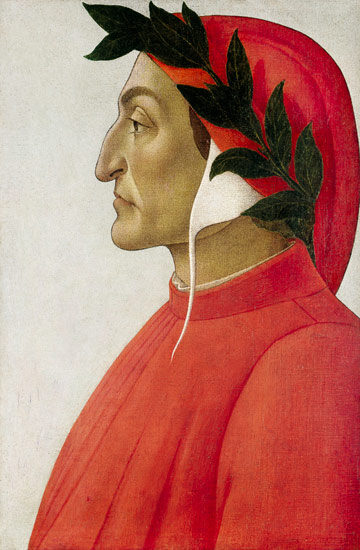
De vulgari eloquentia
De vulgari eloquentia is an essay by Dante Alighieri. It came out in 1303.
- Published
- 1303
- Came out
- 1303
- Written by
- Dante Alighieri
- Genre
- essay
- Country of origin
- Italy
All 7 facts, and where they come from
Facts
7 facts · 0 confirmed by two sources · 1 cited · 6 from one source
Where this comes from
Papalocal keeps its own record. It started from these sources; what each one said is kept here as it was copied, so a change on their side never changes this page by itself. Tap one to read its version.
What Wikidata says · copied November 17, 2026 · revision 2552147260
- Described as
- essay by Dante Alighieri
- Other names
- On Eloquence in the Vernacular
- What it is
- literary work
- Written by
- Dante Alighieri
- Genre
- essay
- Published
- 1303
- Language
- medieval Latin
- Country of origin
- Italy
- Came out
- 1303 · 1 reference
- Wikipedias with a page
- 26
Wikidata item Q18081 (wikidata.org/wiki/Q18081), public domain (CC0). Copied 2026-11-17.
What Wikipedia says · copied November 17, 2026 · revision 1378320017
De vulgari eloquentia (Ecclesiastical Latin: [de vulˈɡari eloˈkwentsi.a], Italian: [de vulˈɡaːri eloˈkwɛntsja]; "On eloquence in the vernacular") is the title of a Latin essay by Dante Alighieri. Although meant to consist of four books, it abruptly terminates in the middle of the second book. It was probably composed shortly after Dante went into exile, circa 1302–1305.
In the first book, Dante discusses the relationship between Latin and the vernacular languages, and the search for an "illustrious" vernacular in the Italian area; the second book is an analysis of the structure of the canto or song (also known as canzuni in Sicilian), which is a literary genre developed in the Sicilian School of poetry.
Latin essays were very popular in the Middle Ages, but Dante made some innovations in his work: firstly, the subject (writing in vernacular) was an uncommon topic in literary discussion at that time. Also significant was how Dante approached this theme; that is, he presented an argument for giving vernacular the same dignity and legitimacy Latin was typically given. Finally, Dante wrote this essay in order to analyse the origin and the philosophy of the vernacular, because, in his opinion, this language was not something static, but something that evolves and needed a historical contextualisation.
From the Wikipedia article “De vulgari eloquentia” (en.wikipedia.org/wiki/De_vulgari_eloquentia), by its contributors, under CC BY-SA 4.0 (creativecommons.org/licenses/by-sa/4.0/). Copied 2026-11-17; not changed.
Confirmed Two sources agree. Cited One source, and it names where it got it. One source One source, without a reference of its own. Sources disagree The sources disagree. We show the best-supported value and keep theirs below.
Picture: Wikimedia Commons: De vulgari eloquentia.tif · See Commons file page