
Democratic Party of Socialists of Montenegro
Democratic Party of Socialists of Montenegro is a political party. It was founded in 1991 by Momir Bulatović, Milo Đukanović and Svetozar Marović. Its headquarters are in Podgorica. It stands for populism, Atlanticism and neoliberalism.
- Country
- Montenegro
- Founded
- June 22, 1991
- Ideology
- populism
- Chair
- Danijel Živković
All 13 facts, and where they come from
Facts
13 facts · 0 confirmed by two sources · 0 cited · 13 from one source
Where this comes from
Papalocal keeps its own record. It started from these sources; what each one said is kept here as it was copied, so a change on their side never changes this page by itself. Tap one to read its version.
What Wikidata says · copied November 16, 2026 · revision 2518585045
- Described as
- political party
- What it is
- political party
- Founded
- June 22, 1991
- Founded by
- Momir Bulatović · 1 reference; Milo Đukanović · 1 reference; Svetozar Marović · 1 reference
- Headquarters
- Podgorica
- Country
- Montenegro
- Chair
- Danijel Živković
- Ideology
- populism; Atlanticism; neoliberalism (2011–); Montenegrin nationalism
- Official website
- http://www.dps.me/
- Wikipedias with a page
- 29
Wikidata item Q648211 (wikidata.org/wiki/Q648211), public domain (CC0). Copied 2026-11-16.
What Wikipedia says · copied November 16, 2026 · revision 1379766631
The Democratic Party of Socialists of Montenegro (Montenegrin: Демократска партија социјалиста Црне Горе, romanized: Demokratska partija socijalista Crne Gore, DPS) is a social democratic and populist political party in Montenegro. A former long-time ruling party sitting at the opposition for the first time since 2020, it was formed on 22 June 1991 as the successor of the League of Communists of Montenegro, which had governed Montenegro within the Socialist Federal Republic of Yugoslavia since World War II, and has remained a major force in the country ever since. The party is a member of the Socialist International and the Progressive Alliance, and an associate of the Party of European Socialists. During the 1990s, DPS was the major centre-left social-democratic party in favour of Serbian–Montenegrin unionism. However, since 1997, the party has embraced Montenegrin independence and has been improving ties with the West, slowly turning into a catch-all party embracing Atlanticism, Montenegrin nationalism, neoliberalism, and pro-Europeanism.
Since its formation and the introduction of a multi-party system, the DPS has played a dominant role in Montenegrin politics, forming the backbone of every coalition government until the 2020 parliamentary election, when it entered the opposition. This marked the first time since 1945 that the party, including its predecessor incarnation, had not been in power. Prior to the 2020 election, the party strongly supported the controversial religious freedom law, causing tensions across Montenegro and the rise of the Serbian Orthodox Church in Montenegrin politics. The Church gaining more power gave motivation for the ethnic nationalist faction to rise in the party, with which some members such as the civic nationalist Filip Vujanović had issues since 2011. The ethnic nationalist wing of the party also supported renewing the Montenegrin Orthodox Church, which led to the DPS being accused of creating a "party church".
From the Wikipedia article “Democratic Party of Socialists of Montenegro” (en.wikipedia.org/wiki/Democratic_Party_of_Socialists_of_Montenegro), by its contributors, under CC BY-SA 4.0 (creativecommons.org/licenses/by-sa/4.0/). Copied 2026-11-16; not changed.
Confirmed Two sources agree. Cited One source, and it names where it got it. One source One source, without a reference of its own. Sources disagree The sources disagree. We show the best-supported value and keep theirs below.
People connected 8
Party members
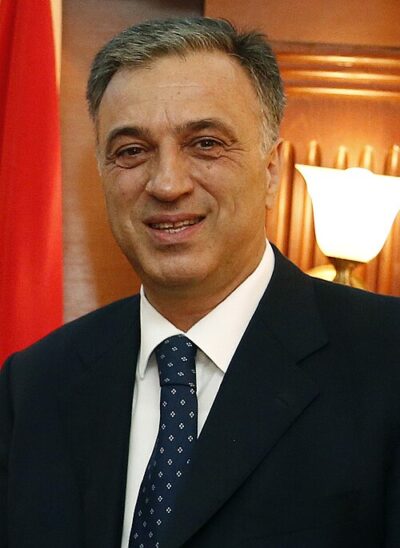 Filip VujanovićMontenegrin politician
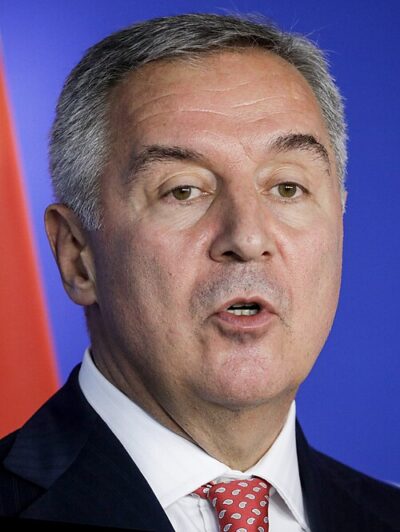 Milo Đukanović (1990–)2nd President of Montenegro
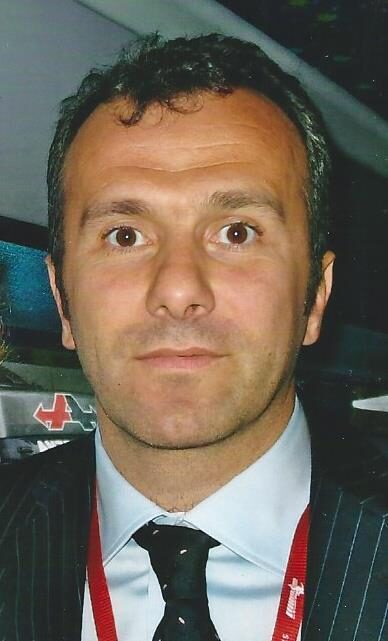 Dejan SavićevićMontenegrin footballer
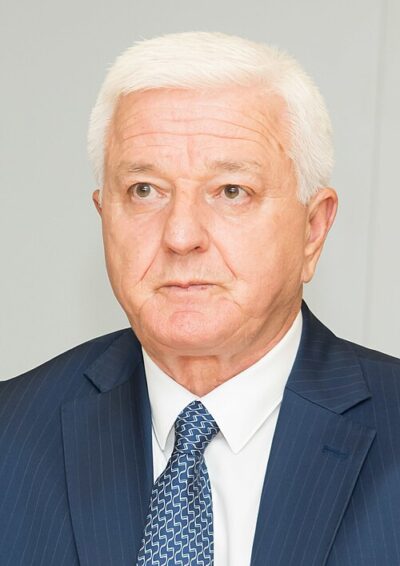 Duško MarkovićPrime Minister of Montenegro from 2016 to 2020
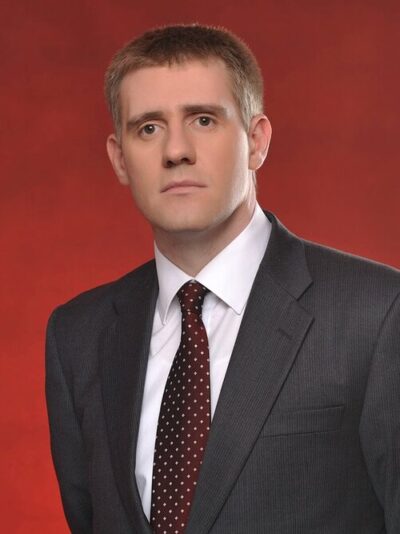 Igor Lukšićpolitician from Montenegro
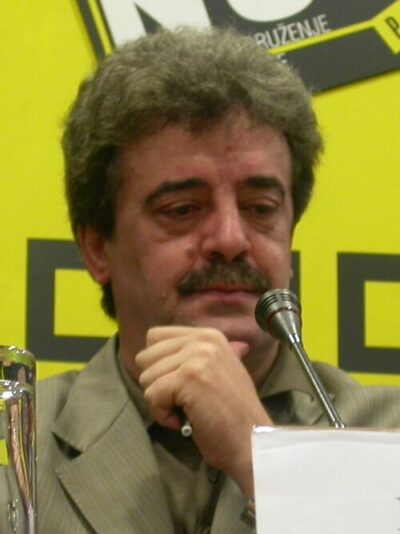 Momir Bulatović (1990–1997)former President of Montenegro (1956-2019)
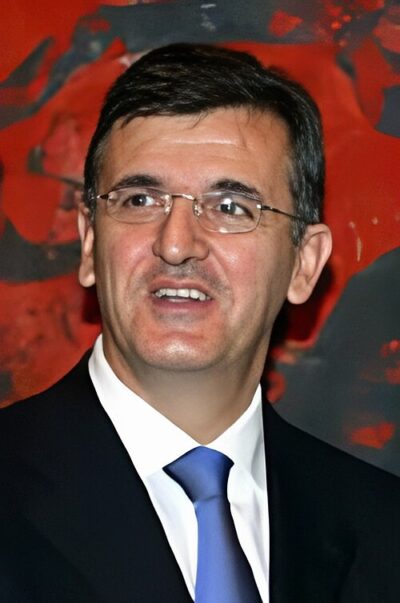 Svetozar MarovićMontenegrin politician
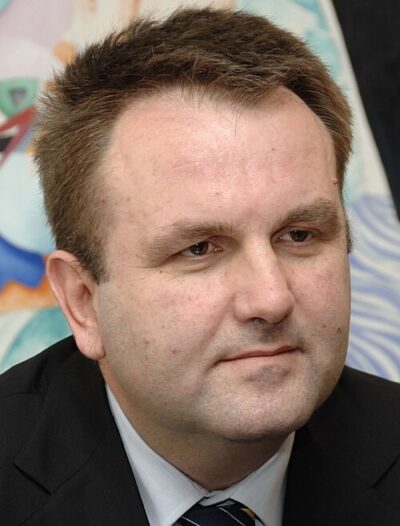 Željko ŠturanovićPrime Minister of Montenegro (1960-2014)
