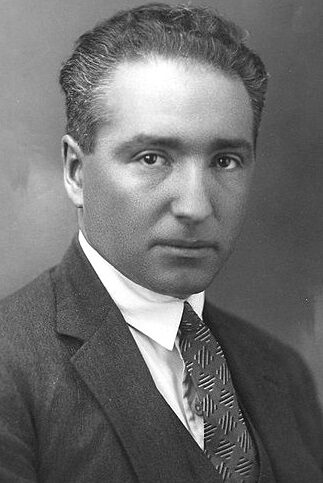
Die Sexualität im Kulturkampf
Die Sexualität im Kulturkampf is a non-fiction work by Wilhelm Reich. It came out in 1930.
- Published
- 1930
- Written by
- Wilhelm Reich
All 5 facts, and where they come from
Facts
5 facts · 0 confirmed by two sources · 3 cited · 2 from one source
Where this comes from
Papalocal keeps its own record. It started from these sources; what each one said is kept here as it was copied, so a change on their side never changes this page by itself. Tap one to read its version.
What Wikidata says · copied November 16, 2026 · revision 2560368205
- Described as
- non-fiction work by Wilhelm Reich
- Other names
- The Sexual Revolution
- What it is
- literary work
- Written by
- Wilhelm Reich · 1 reference
- Published
- 1936; 1930 · 1 reference
- Language
- German · 1 reference; English
- Wikipedias with a page
- 4
Wikidata item Q5274433 (wikidata.org/wiki/Q5274433), public domain (CC0). Copied 2026-11-16.
What Wikipedia says · copied November 16, 2026 · revision 1384799595
Die Sexualität im Kulturkampf ("Sexuality in the Cultural Struggle"), 1936 (published later in English as The Sexual Revolution), is a work by Wilhelm Reich. The subtitle is "zur sozialistischen Umstrukturierung des Menschen" ("for the socialist restructuring of humans"), the double title reflecting the two-part structure of the work.
The first part "analyzes the crisis of the bourgeois sexual morality" and the failure of the attempts of "sexual reform" that preserved the frame of capitalist society (marriage and family). The second part reconstructs the history of the sexual revolution that took place with the establishment of the Soviet Union since 1922, and which was opposed by Joseph Stalin in the late 1920s.
From the Wikipedia article “Die Sexualität im Kulturkampf” (en.wikipedia.org/wiki/Die_Sexualität_im_Kulturkampf), by its contributors, under CC BY-SA 4.0 (creativecommons.org/licenses/by-sa/4.0/). Copied 2026-11-16; not changed.
Confirmed Two sources agree. Cited One source, and it names where it got it. One source One source, without a reference of its own. Sources disagree The sources disagree. We show the best-supported value and keep theirs below.