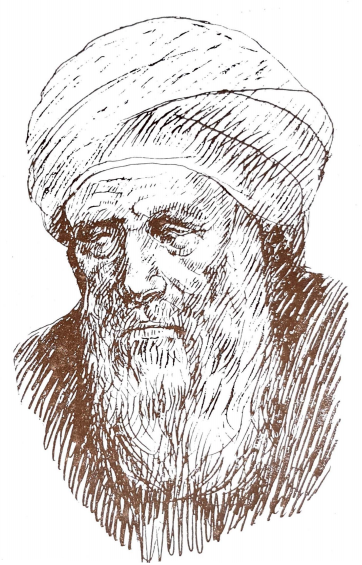
Diwan al-Lazumiyat
Diwan al-Lazumiyat is a poetry collection by al-Ma'arri.
- Written by
- al-Ma'arri
- Genre
- diwan
- Country of origin
- Abbasid Caliphate
All 5 facts, and where they come from
Facts
5 facts · 0 confirmed by two sources · 0 cited · 5 from one source
Where this comes from
Papalocal keeps its own record. It started from these sources; what each one said is kept here as it was copied, so a change on their side never changes this page by itself. Tap one to read its version.
What Wikidata says · copied November 17, 2026 · revision 2515689631
- Described as
- poetry collection by al-Ma'arri
- What it is
- literary work
- Written by
- al-Ma'arri
- Genre
- diwan
- Language
- Arabic
- Country of origin
- Abbasid Caliphate
- Wikipedias with a page
- 2
Wikidata item Q12212559 (wikidata.org/wiki/Q12212559), public domain (CC0). Copied 2026-11-17.
What Wikipedia says · copied November 17, 2026 · revision 1384471293
The Luzumiyat (Arabic: اللزوميات) is the second collection of poetry by al-Ma'arri, comprising nearly 1600 short poems organised in alphabetical order and observing a novel double-consonant rhyme scheme devised by the poet himself.
The work is also known as Luzūm mā lā yalzam (Arabic: لزوم ما لا يلزم) which is variously translated as Unnecessary Necessity, The Self-Imposed Compulsion or "committing oneself to what is not obligatory"; this title is a reference to the difficult, 'unnecessary', rhyme scheme which al-Ma'arri applied to his work. This self-imposed technical challenge was a parallel to other constraints he adopted in his own life, including veganism and virtual social isolation. The poems were written over a period of many years and bear no individual titles. They were circulated by Al-Ma'arri under the title Luzumiyat during his lifetime. The poems are known chiefly for the ideas they contain, written in an ironic and, at times, cynical tone. Unlike traditional qasidas, they focus on doubt, uncertainty, sin, death, and the afterlife.
From the Wikipedia article “The Luzumiyat” (en.wikipedia.org/wiki/The_Luzumiyat), by its contributors, under CC BY-SA 4.0 (creativecommons.org/licenses/by-sa/4.0/). Copied 2026-11-17; not changed.
Confirmed Two sources agree. Cited One source, and it names where it got it. One source One source, without a reference of its own. Sources disagree The sources disagree. We show the best-supported value and keep theirs below.
Picture: Wikimedia Commons: Al-Luzumiyyat.jpg · See Commons file page