DPLL algorithm
DPLL algorithm is an algorithm for solving the CNF-SAT problem. It came out in 1962. It was written by Martin Davis, Hilary Putnam and George Logemann. It is based on Davis–Putnam algorithm.
- Came out
- 1962
- Written by
- Martin Davis
All 9 facts, and where they come from
Facts
9 facts · 0 confirmed by two sources · 0 cited · 9 from one source
Where this comes from
Papalocal keeps its own record. It started from these sources; what each one said is kept here as it was copied, so a change on their side never changes this page by itself. Tap one to read its version.
What Wikidata says · copied November 17, 2026 · revision 2553235178
- Described as
- algorithm for solving the CNF-SAT problem
- Other names
- Davis-Putnam-Logemann-Loveland algorithm
- What it is
- search algorithm
- Written by
- Martin Davis; Hilary Putnam; George Logemann; Donald W. Loveland
- Based on
- Davis–Putnam algorithm
- Came out
- 1962
- Named after
- Martin Davis; Hilary Putnam
- Wikipedias with a page
- 18
Wikidata item Q2030088 (wikidata.org/wiki/Q2030088), public domain (CC0). Copied 2026-11-17.
What Wikipedia says · copied November 17, 2026 · revision 1341870655
In logic and computer science, the Davis–Putnam–Logemann–Loveland (DPLL) algorithm is a complete, backtracking-based search algorithm for deciding the satisfiability of propositional logic formulae in conjunctive normal form, i.e. for solving the CNF-SAT problem.
It was introduced in 1961 by Martin Davis, George Logemann and Donald W. Loveland and is a refinement of the earlier Davis–Putnam algorithm, which is a resolution-based procedure developed by Davis and Hilary Putnam in 1960. Especially in older publications, the Davis–Logemann–Loveland algorithm is often referred to as the "Davis–Putnam method" or the "DP algorithm". Other common names that maintain the distinction are DLL and DPLL.
From the Wikipedia article “DPLL algorithm” (en.wikipedia.org/wiki/DPLL_algorithm), by its contributors, under CC BY-SA 4.0 (creativecommons.org/licenses/by-sa/4.0/). Copied 2026-11-17; not changed.
Confirmed Two sources agree. Cited One source, and it names where it got it. One source One source, without a reference of its own. Sources disagree The sources disagree. We show the best-supported value and keep theirs below.
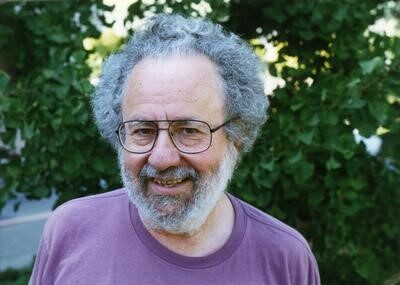
Picture: No machine-readable author provided. Tizio assumed (based on copyright claims)., via Wikimedia Commons · Public domain