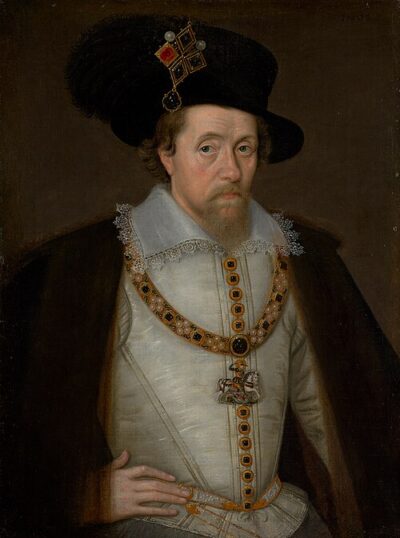
Duke of Rothesay
The Duke of Rothesay is a dynastic title of heir apparent to British throne. It was created in 1390.
- Country
- United Kingdom
- Created
- 1390
All 4 facts, and where they come from
Facts
4 facts · 0 confirmed by two sources · 0 cited · 4 from one source
Where this comes from
Papalocal keeps its own record. It started from these sources; what each one said is kept here as it was copied, so a change on their side never changes this page by itself. Tap one to read its version.
What Wikidata says · copied November 17, 2026 · revision 2475704653
- Described as
- dynastic title of heir apparent to British throne
- What it is
- noble title; substantive title
- Created
- 1390 · 1 reference
- Country
- United Kingdom
- Wikipedias with a page
- 28
Wikidata item Q1059510 (wikidata.org/wiki/Q1059510), public domain (CC0). Copied 2026-11-17.
What Wikipedia says · copied November 17, 2026 · revision 1379034973
Duke of Rothesay ( ; Scottish Gaelic: Diùc Baile Bhòid; Scots: Duik o Rothesay) is the main dynastic title traditionally given to the male heir apparent to the Scottish and, later, British thrones. The dukedom was created in 1398 by King Robert III of Scotland for his eldest son.
Duke of Rothesay is the title mandated for use by the heir apparent when in Scotland, in preference to the titles Prince of Wales and Duke of Cornwall, which are used in the rest of the United Kingdom and overseas. The title is named after Rothesay on the Isle of Bute, but is not associated with any legal entity or landed property. The Duke of Rothesay also holds other Scottish titles, including Earl of Carrick, Baron of Renfrew, Lord of the Isles, and Prince and Great Steward of Scotland.
The current holder of the title is William, Prince of Wales, and his wife, Catherine, is the current Duchess of Rothesay.
From the Wikipedia article “Duke of Rothesay” (en.wikipedia.org/wiki/Duke_of_Rothesay), by its contributors, under CC BY-SA 4.0 (creativecommons.org/licenses/by-sa/4.0/). Copied 2026-11-17; not changed.
Confirmed Two sources agree. Cited One source, and it names where it got it. One source One source, without a reference of its own. Sources disagree The sources disagree. We show the best-supported value and keep theirs below.