Ecclesiastical History of the English People
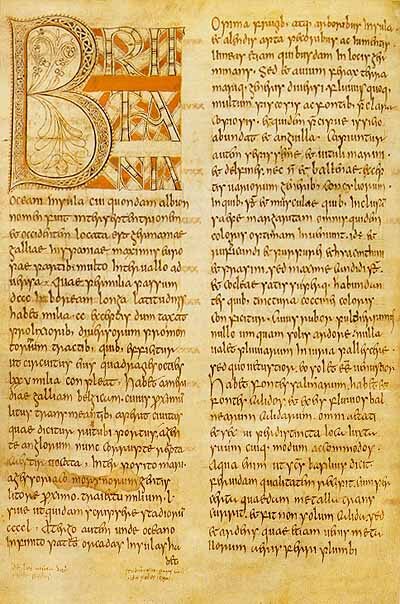
Ecclesiastical History of the English People is a work in Latin by Bede. It came out in 731.
- Came out
- 731
- Written by
- Bede
- Genre
- church history
All 6 facts, and where they come from
Facts
6 facts · 0 confirmed by two sources · 4 cited · 2 from one source
Where this comes from
Papalocal keeps its own record. It started from these sources; what each one said is kept here as it was copied, so a change on their side never changes this page by itself. Tap one to read its version.
What Wikidata says · copied November 17, 2026 · revision 2568642447
- Described as
- work in Latin by Bede
- Other names
- Historia ecclesiastica gentis Anglorum
- What it is
- literary work · 1 reference
- Written by
- Bede · 2 references
- Genre
- church history · 1 reference; chronicle
- Language
- medieval Latin
- Came out
- 731 · 1 reference
- Wikipedias with a page
- 44
Wikidata item Q661541 (wikidata.org/wiki/Q661541), public domain (CC0). Copied 2026-11-17.
What Wikipedia says · copied November 17, 2026 · revision 1385984175
The Ecclesiastical History of the English People (Latin: Historia ecclesiastica gentis Anglorum), written by Bede in about AD 731, is a history of the Christian churches in England, and of England generally; its main focus is on the growth of Christianity. It was composed in Latin, and is believed to have been completed in 731 when Bede was approximately 59 years old. It is considered one of the most important original references on Anglo-Saxon history, and according to some scholars has played a key role in the development of an English national identity.
From the Wikipedia article “Ecclesiastical History of the English People” (en.wikipedia.org/wiki/Ecclesiastical_History_of_the_English_People), by its contributors, under CC BY-SA 4.0 (creativecommons.org/licenses/by-sa/4.0/). Copied 2026-11-17; not changed.
Confirmed Two sources agree. Cited One source, and it names where it got it. One source One source, without a reference of its own. Sources disagree The sources disagree. We show the best-supported value and keep theirs below.
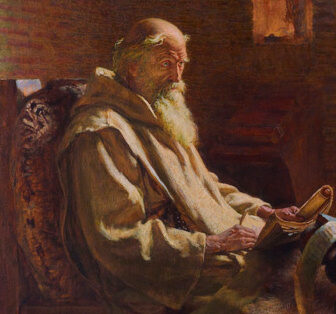
Picture: Bede, via Wikimedia Commons · Public domain