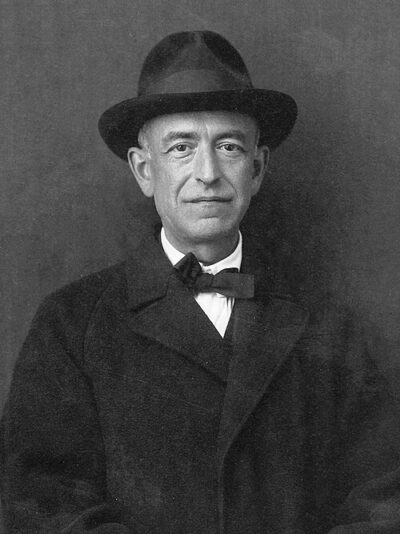
El retablo de maese Pedro
El retablo de maese Pedro is one act puppet-opera by Manuel de Falla. It is based on Don Quixote.
- Released
- 20th century
All 5 facts, and where they come from
Facts
5 facts · 0 confirmed by two sources · 0 cited · 5 from one source
Where this comes from
Papalocal keeps its own record. It started from these sources; what each one said is kept here as it was copied, so a change on their side never changes this page by itself. Tap one to read its version.
What Wikidata says · copied November 17, 2026 · revision 2425442283
- Described as
- one act puppet-opera by Manuel de Falla
- Other names
- Master Peter's Puppet Show
- What it is
- dramatico-musical work
- Music by
- Manuel de Falla
- Released
- 20th century
- Language
- Spanish
- Based on
- Don Quixote
- Wikipedias with a page
- 11
Wikidata item Q1918331 (wikidata.org/wiki/Q1918331), public domain (CC0). Copied 2026-11-17.
What Wikipedia says · copied November 17, 2026 · revision 1380367428
El retablo de maese Pedro (Master Peter's Puppet Show) is a puppet-opera in one act with a prologue and epilogue, composed by Manuel de Falla to a Spanish libretto based on an episode from Don Quixote by Miguel de Cervantes. The libretto is an abbreviation of chapter 26 of the second part of Don Quixote, with some lines added from other parts of the work. Falla composed this opera "in devoted homage to the glory of Miguel de Cervantes" and dedicated it to the Princess de Polignac, who commissioned the work. Because of its brief length by operatic standards (about 27 minutes), its very challenging part for a boy opera performer (who has by far the most lines), and its use of puppets, it is not part of the standard operatic repertoire.
Otto Mayer-Serra has described this opera as a work where Falla reached beyond "Andalusianism" for his immediate musical influence and colour and began the transition into the "Hispanic neo-classicism" of his later works.
From the Wikipedia article “El retablo de maese Pedro” (en.wikipedia.org/wiki/El_retablo_de_maese_Pedro), by its contributors, under CC BY-SA 4.0 (creativecommons.org/licenses/by-sa/4.0/). Copied 2026-11-17; not changed.
Confirmed Two sources agree. Cited One source, and it names where it got it. One source One source, without a reference of its own. Sources disagree The sources disagree. We show the best-supported value and keep theirs below.