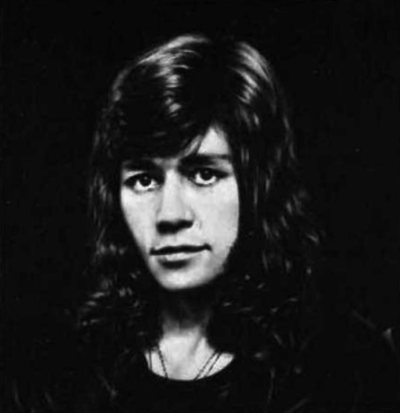
ELO Part II
ELO Part II is an UK musical group. It was founded in 1989.
- Founded
- 1989
- Genre
- rock music
- Record label
- Scotti Bros. Records
- Country of origin
- United Kingdom
All 6 facts, and where they come from
Facts
6 facts · 0 confirmed by two sources · 0 cited · 6 from one source
Where this comes from
Papalocal keeps its own record. It started from these sources; what each one said is kept here as it was copied, so a change on their side never changes this page by itself. Tap one to read its version.
What Wikidata says · copied November 18, 2026 · revision 2550076015
- Described as
- UK musical group
- Other names
- Electric Light Orchestra Part II
- What it is
- musical group
- Genre
- rock music
- Country of origin
- United Kingdom
- Record label
- Scotti Bros. Records
- Founded
- 1989
- Official website
- http://www.theorchestra.net/
- Wikipedias with a page
- 4
Wikidata item Q641528 (wikidata.org/wiki/Q641528), public domain (CC0). Copied 2026-11-18.
What Wikipedia says · copied November 18, 2026 · revision 1373708599
Electric Light Orchestra (ELO) Part II were a British-American rock band formed in 1989 by Electric Light Orchestra drummer and co-founder Bev Bevan. The band also included former ELO bassist and vocalist Kelly Groucutt, and violinist Mik Kaminski for most of its career, along with conductor Louis Clark, who contributed orchestral arrangements to many of ELO's albums and toured as a guest with the original band in its later years; ELO cellist Hugh McDowell likewise briefly performed with Part II in 1991. Alongside these personnel, Part II rotated through several ELO-unaffiliated frontmen during its lifetime, with singer-songwriter and keyboardist Eric Troyer the only one to retain constant membership.
After Bevan left the band in late 1999, he sold his half of the rights to the Electric Light Orchestra name back to Jeff Lynne, and the band changed its name to The Orchestra.
From the Wikipedia article “ELO Part II” (en.wikipedia.org/wiki/ELO_Part_II), by its contributors, under CC BY-SA 4.0 (creativecommons.org/licenses/by-sa/4.0/). Copied 2026-11-18; not changed.
Confirmed Two sources agree. Cited One source, and it names where it got it. One source One source, without a reference of its own. Sources disagree The sources disagree. We show the best-supported value and keep theirs below.