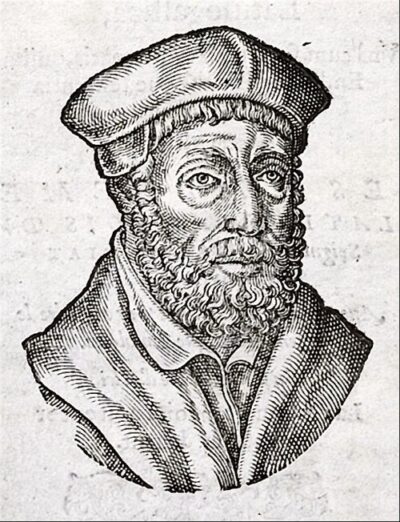
Emblemata
Emblemata is a book of emblems. It came out in 1531. It was written by Andrea Alciato.
- Published
- 1531
- Written by
- Andrea Alciato
- Genre
- emblematica
- Country of origin
- Holy Roman Empire
All 8 facts, and where they come from
Facts
8 facts · 0 confirmed by two sources · 0 cited · 8 from one source
Where this comes from
Papalocal keeps its own record. It started from these sources; what each one said is kept here as it was copied, so a change on their side never changes this page by itself. Tap one to read its version.
What Wikidata says · copied November 17, 2026 · revision 2550366708
- Described as
- book of emblems
- Other names
- Book of Emblems, Emblematum Liber, Emblematum Libellus, Emblemata Andreae Alciati, I.V. Doctoris clarissimi, Emblemata Andreae Alciati, Emblematum liber, Alciato's Book of Emblems
- What it is
- written work
- Written by
- Andrea Alciato
- Genre
- emblematica
- Published
- 1531
- Language
- Neo-Latin
- Country of origin
- Holy Roman Empire; Kingdom of France
- Named after
- emblem
- Wikipedias with a page
- 9
Wikidata item Q2342127 (wikidata.org/wiki/Q2342127), public domain (CC0). Copied 2026-11-17.
What Wikipedia says · copied November 17, 2026 · revision 1384228532
The Emblemata, or Emblematum liber first appeared in Augsburg (Germany) in 1531 under the title Viri Clarissimi D. Andreae Alciati Iurisconsultiss. Mediol. Ad D. Chonradum Peutingerum Augustanum, Iurisconsultum Emblematum Liber. Produced by the publisher Heinrich Steyner, the unauthorized first print edition was compiled from a manuscript of Latin poems which the Italian jurist Andrea Alciato had dedicated to his friend Conrad Peutinger and circulated to his acquaintances. The 1531 edition was soon followed by a 1534 edition authorized by Alciato: published in Paris by Christian Wechel, this appeared under the title Andreae Alciati Emblematum Libellus ("Andrea Alciato's Little Book of Emblems"). The word "emblemata" is the plural of the Greek word ἔμβλημα, meaning a piece of inlay or mosaic, or an ornament: in his preface to Peutinger, Alciato describes his emblems as a learned recreation, a pastime for humanists steeped in classical culture.
From the Wikipedia article “Emblemata” (en.wikipedia.org/wiki/Emblemata), by its contributors, under CC BY-SA 4.0 (creativecommons.org/licenses/by-sa/4.0/). Copied 2026-11-17; not changed.
Confirmed Two sources agree. Cited One source, and it names where it got it. One source One source, without a reference of its own. Sources disagree The sources disagree. We show the best-supported value and keep theirs below.
Picture: Wikimedia Commons: Andreæ Alciati emblemata cvm commentariis Clavdii Minois...- and notis Lavrentii Pignorii Patavini - nouissima hac editione in continuam vnius commentarij seriem congestis, in certas quasdam quasi (14771272143).jpg · See Commons file page