
Holy Roman Empire
The Holy Roman Empire is a multi-ethnic complex of territories in Western and Central Europe (800/962–1806).
- Founded
- February 2, 962
- Country
- Holy Roman Empire
All 9 facts, and where they come from
Facts
9 facts · 0 confirmed by two sources · 0 cited · 9 from one source
Where this comes from
Papalocal keeps its own record. It started from these sources; what each one said is kept here as it was copied, so a change on their side never changes this page by itself. Tap one to read its version.
What Wikidata says · copied November 17, 2026 · revision 2562622515
- Described as
- multi-ethnic complex of territories in Western and Central Europe (800/962–1806)
- Other names
- First Reich, Reich, HRE, Roman-German Empire, Old Empire, Holy Roman Empire of the German Nation
- What it is
- empire (962–1806); sovereign state (962–1806); historical country
- Comes after
- Middle Francia
- Followed by
- Confederation of the Rhine
- Founded
- February 2, 962
- Ended
- August 6, 1806
- Country
- Holy Roman Empire
- Named after
- Roman Empire
- Wikipedias with a page
- 181
Wikidata item Q12548 (wikidata.org/wiki/Q12548), public domain (CC0). Copied 2026-11-17.
What Wikipedia says · copied November 17, 2026 · revision 1385550911
The Holy Roman Empire, also known as the Holy Roman Empire of the German Nation after 1512, was a polity comprising and controlling much of Central Europe and Western Europe, headed by the Holy Roman Emperor and characterized by a decentralized political structure. It developed in the Early Middle Ages (beginning in either 800 or 962), and lasted for a millennium until its dissolution in 1806 during the Napoleonic Wars. Initially, it consisted of three constituent kingdoms—Germany, Italy, and (from 1032) Burgundy—held together by the emperor's overlordship. By the 15th century, imperial governance had become concentrated in and upon the Kingdom of Germany, as the empire's effective control over Italy and Burgundy had largely disappeared.
On 25 December 800, Pope Leo III crowned Charlemagne (the Frankish king) as Roman Emperor, reviving the title more than three centuries after the fall of the Western Roman Empire in 476. The title had again lapsed by 924 but was revived again in 962 with the crowning of Otto of Saxony as emperor by Pope John XII. Otto the Great (as he became known), was King of the Germans but as emperor he became Charlemagne's successor, ruling in lands that had been first brought together as the Carolingian Empire. From 962 until the 13th century, the empire was one of the most powerful monarchies in Europe. It depended on continuing cooperation between emperors and still relatively powerful and independent vassals. The empire reached its apex in terms of territorial expansion and power in the mid-13th century, under the House of Hohenstaufen, but this was an overextension and led to a partial collapse.
The imperial office was traditionally elected: mostly by a handful of (predominantly German) prince-electors and electors-spiritual (archbishops). In theory and diplomacy, the emperors were considered first amongst equals of Europe's (at least its Catholic) monarchies.
A process of Imperial Reform in the late 15th and early 16th centuries transformed the empire, creating a set of institutions which endured until its final demise in the 19th century. On 6 August 1806, Emperor Francis II abdicated and formally dissolved the empire following the creation by French emperor Napoleon of the Confederation of the Rhine from German client states loyal to France. For most of its history, the Empire primarily consisted of the entirety of the modern countries of the Czech Republic, Belgium, the Netherlands, Luxembourg, Liechtenstein, Monaco, Switzerland, Slovenia, Germany, Austria, and large swathes of what is now eastern France, northern and central Italy, and western Poland.
From the Wikipedia article “Holy Roman Empire” (en.wikipedia.org/wiki/Holy_Roman_Empire), by its contributors, under CC BY-SA 4.0 (creativecommons.org/licenses/by-sa/4.0/). Copied 2026-11-17; not changed.
Confirmed Two sources agree. Cited One source, and it names where it got it. One source One source, without a reference of its own. Sources disagree The sources disagree. We show the best-supported value and keep theirs below.
People connected 168
Citizen of 167
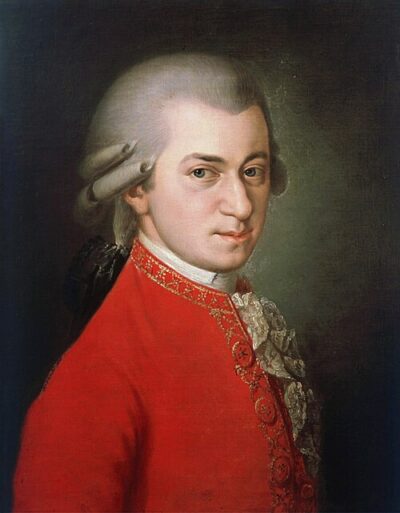 Wolfgang Amadeus MozartAustrian composer of the Classical period (1756–1791)
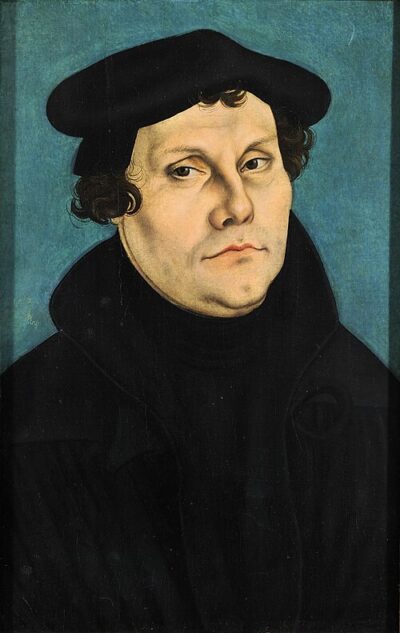 Martin LutherGerman priest and theologian (1483–1546)
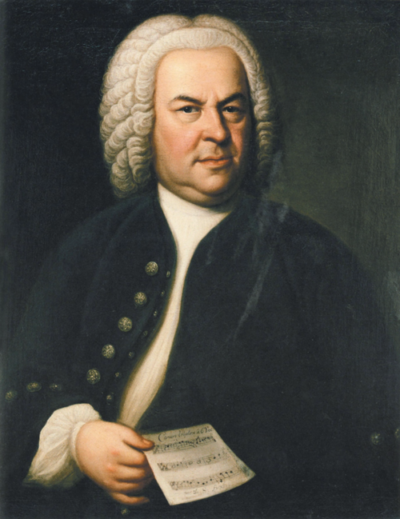 Johann Sebastian BachGerman composer (1685–1750)
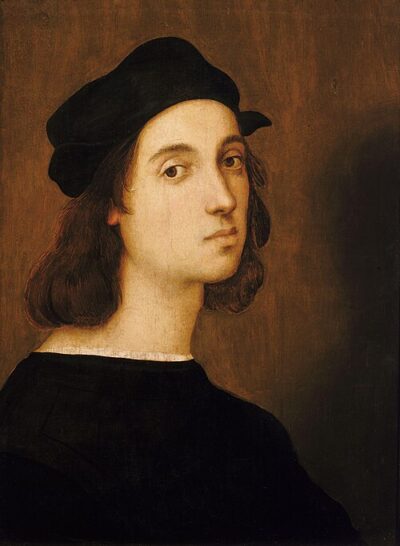 RaphaelItalian painter and architect (1483–1520)
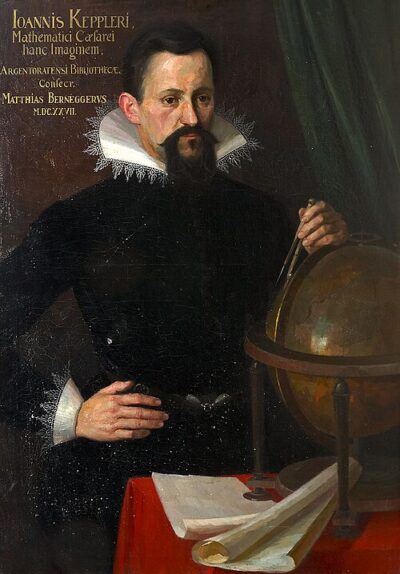 Johannes KeplerGerman mathematician and astronomer (1571–1630)
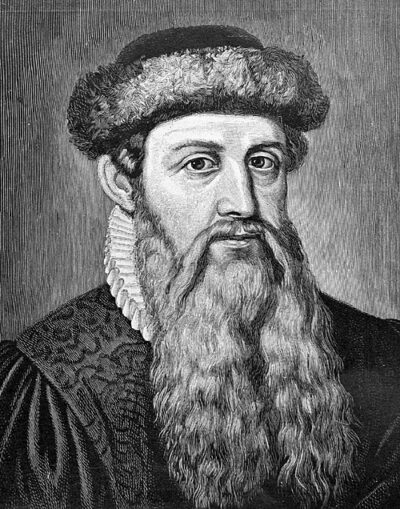 Johannes GutenbergGerman inventor and craftsman (1400-1468)
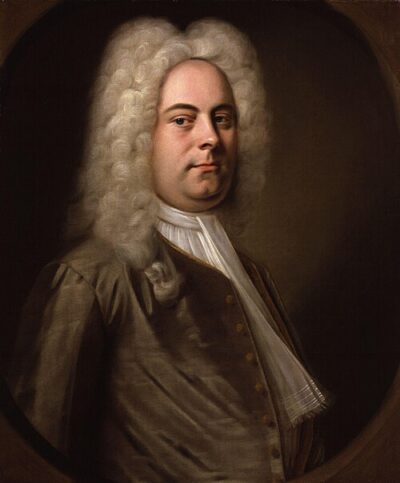 George Frideric HandelGerman-British Baroque composer (1685–1759)
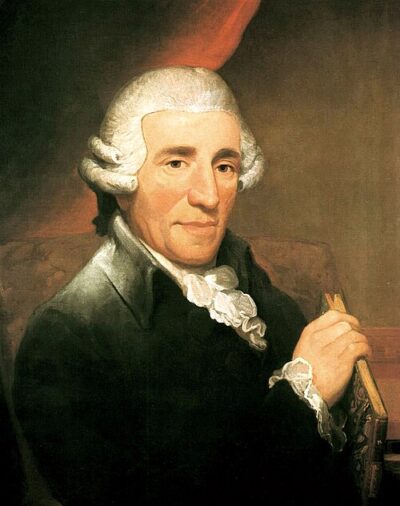 Joseph HaydnAustrian composer (1732–1809)
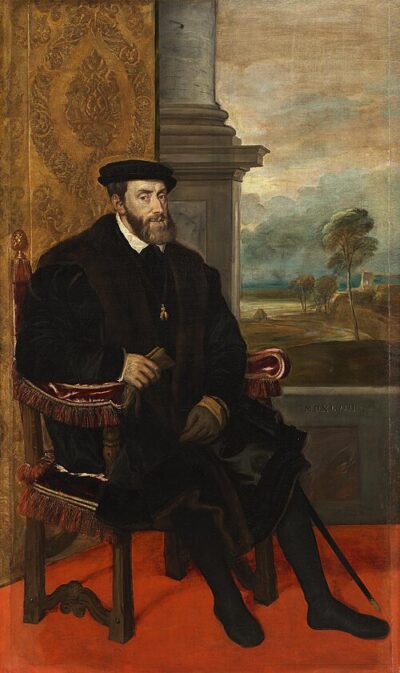 Charles V, Holy Roman EmperorHoly Roman Emperor from 1519 to 1556 (1500–1558)
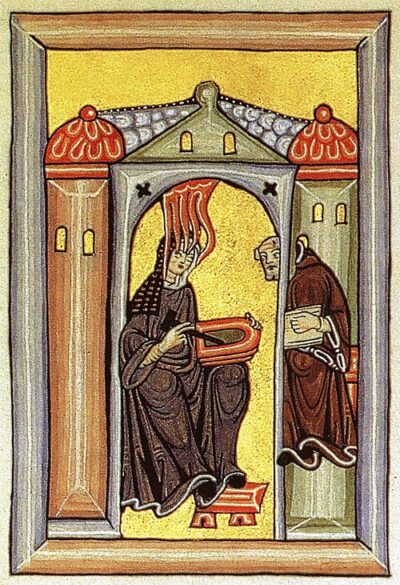 Hildegard of BingenGerman Benedictine abbess, polymath, mystic and Doctor of Church (1098–1179)
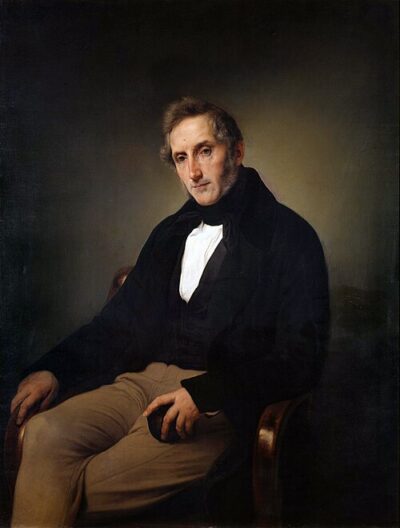 Alessandro Manzoni (–1806)Italian writer and poet (1785–1873)
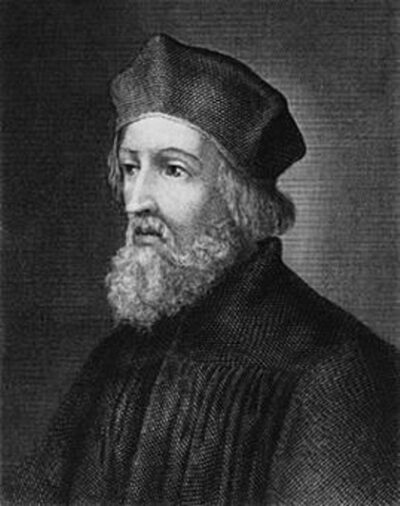 Jan HusCzech theologian, philosopher and preacher (1369-1415)
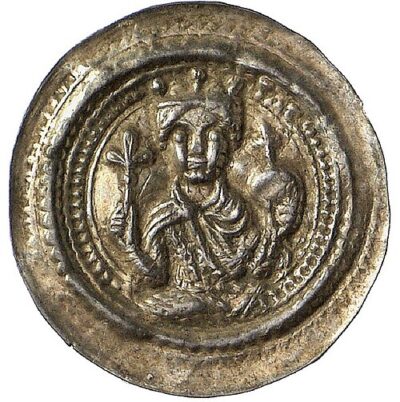 Frederick BarbarossaHoly Roman Emperor from 1155 to 1190
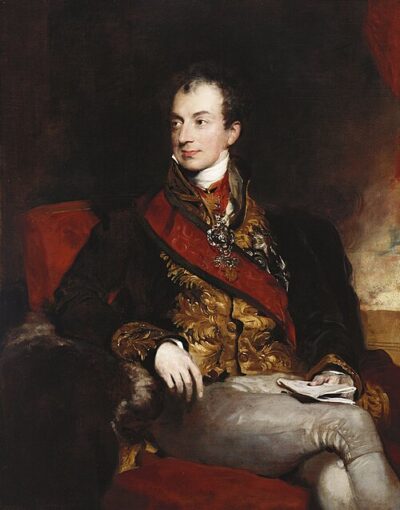 Klemens von MetternichAustrian diplomat, foreign minister and Chancellor (1773–1859)
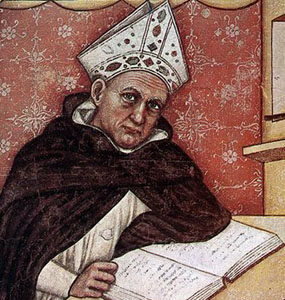 Albertus MagnusGerman-Dominican friar and saint (c. 1200–1280)
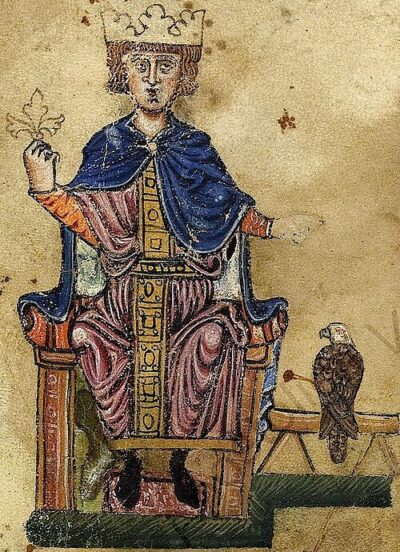 Frederick II, Holy Roman EmperorKing of Sicily, Holy Roman Emperor (1194–1250, 1220–1250)
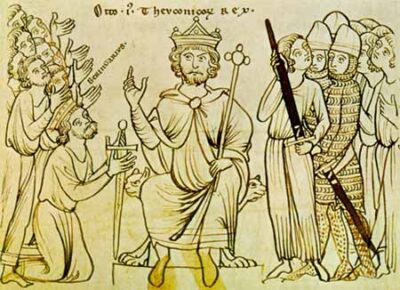 Otto I the GreatHoly Roman Emperor from 962 to 973
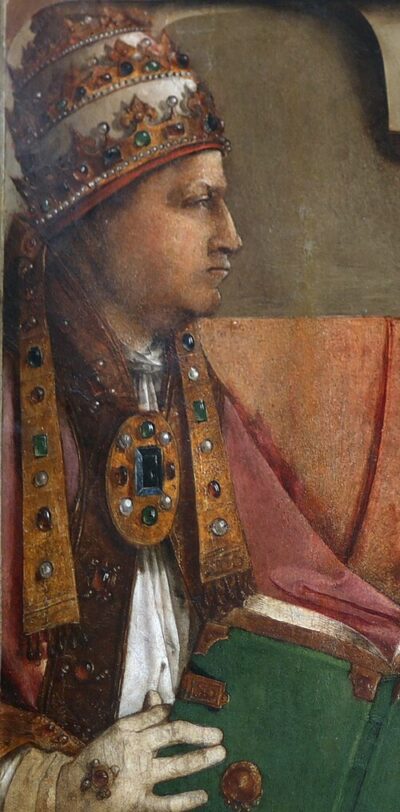 Pius IIpope of the Catholic Church from 1458 to 1464 (1405–1464)
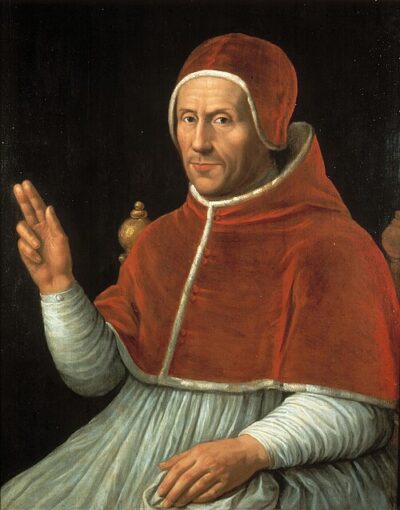 Adrian VIpope of the Catholic Church from 1522 to 1523 (1459–1523)
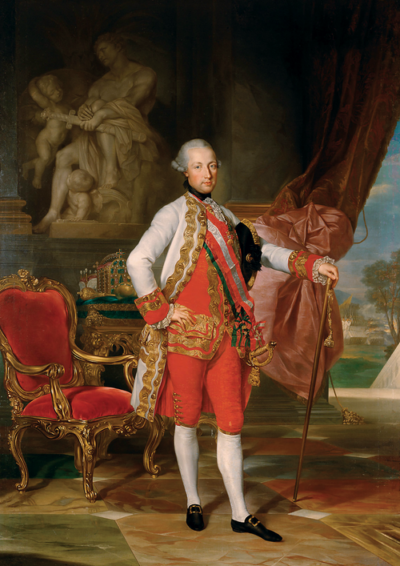 Joseph II, Holy Roman EmperorHoly Roman Emperor from 1765 to 1790, (1741-1790).
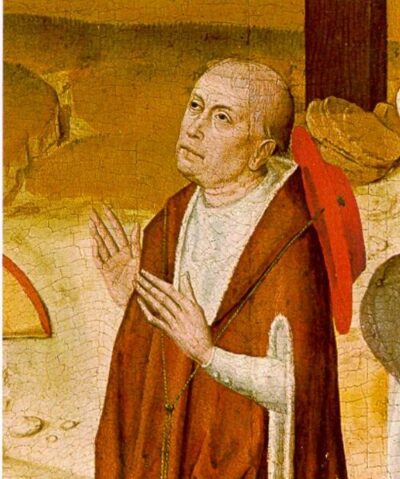 Nicholas of CusaGerman philosopher (1401 – 1464)
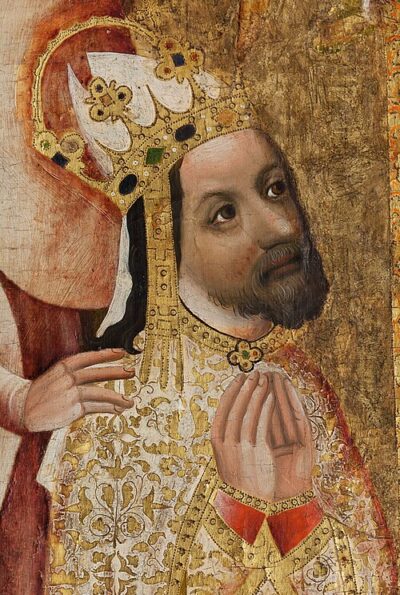 Charles IVHoly Roman Emperor
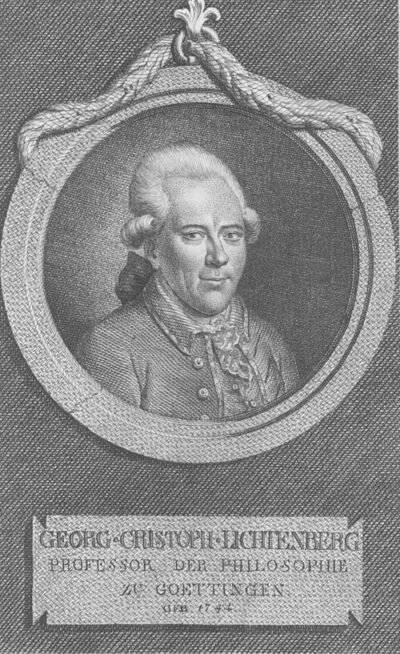 Georg Christoph LichtenbergGerman scientist and satirist (1742-1799)
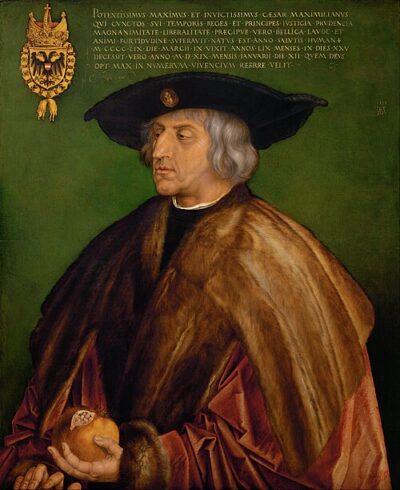 Maximilian IHoly Roman Emperor (1459-1519)
and 143 more

