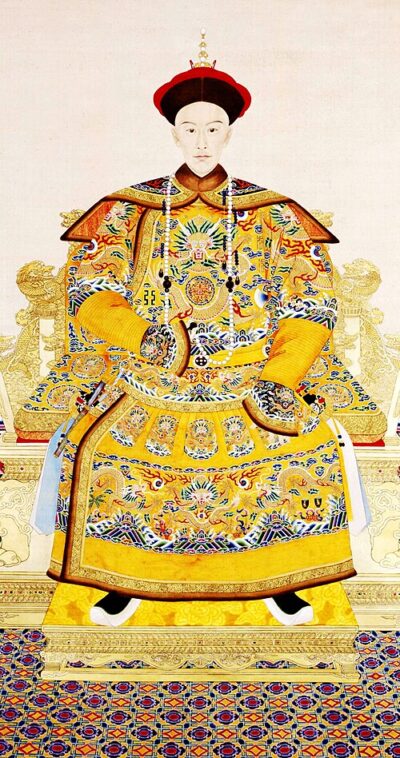
emperor Mañjuśrī
Emperor Mañjuśrī is a noble title.
All 2 facts, and where they come from
Facts
2 facts · 0 confirmed by two sources · 0 cited · 2 from one source
Where this comes from
Papalocal keeps its own record. It started from these sources; what each one said is kept here as it was copied, so a change on their side never changes this page by itself. Tap one to read its version.
What Wikidata says · copied November 17, 2026 · revision 2315986626
- Described as
- noble title
- What it is
- noble title; position
- Wikipedias with a page
- 5
Wikidata item Q11080008 (wikidata.org/wiki/Q11080008), public domain (CC0). Copied 2026-11-17.
What Wikipedia says · copied November 17, 2026 · revision 1344800018
The Emperor Manjushri or Great Emperor Manjushri (Tibetan: འཇམ་དབྱངས་གོང་མ་ཆེན་པོ, Wylie: ajam dbyangs gong ma chen po; Chinese: 文殊皇帝; pinyin: Wénshū Huángdì; Manchu: ᠮᠠᠨᠵᡠᠰᡳᡵᡳᡥᠠᠨ, Mölendorff: Manjusiri han or Chinese: 文殊大皇帝/曼殊師利大皇帝) was an honorific title in Tibetan Buddhism given to emperors of China's Qing dynasty, notably the Qianlong Emperor.
Kublai Khan, founder of the Mongol-led Yuan dynasty, had been regarded by the Tibetan Buddhists as a reincarnation of Manjushri. The Yongle Emperor of the Ming dynasty promoted the idea that he too was the earthly manifestation of Manjushri and styled himself the wheel-turning king. The emperors of the Qing dynasty further portrayed themselves as the incarnation of Manjushri and the wheel-turning king who brings peace to the world. The title (文殊菩薩皇帝 or 文殊大皇帝) was commonly used by the Tibetans as the opening words when addressing to the Qing court during the Shunzhi period, and the Manchus referred to the Qing emperors as "Old Buddha" (佛爺).
From the Wikipedia article “Emperor Manjushri” (en.wikipedia.org/wiki/Emperor_Manjushri), by its contributors, under CC BY-SA 4.0 (creativecommons.org/licenses/by-sa/4.0/). Copied 2026-11-17; not changed.
Confirmed Two sources agree. Cited One source, and it names where it got it. One source One source, without a reference of its own. Sources disagree The sources disagree. We show the best-supported value and keep theirs below.