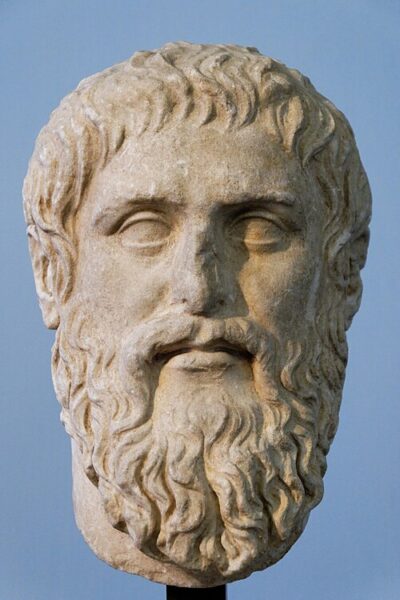
Euthydemus
Euthydemus is a Platonic dialogue.
- Written by
- Plato
- Genre
- dialogue
All 6 facts, and where they come from
Facts
6 facts · 0 confirmed by two sources · 0 cited · 6 from one source
Where this comes from
Papalocal keeps its own record. It started from these sources; what each one said is kept here as it was copied, so a change on their side never changes this page by itself. Tap one to read its version.
What Wikidata says · copied November 17, 2026 · revision 2530011968
- Described as
- Platonic dialogue
- Other names
- Plat. Euthyd.
- What it is
- written work; Platonic dialogue
- Written by
- Plato
- Genre
- dialogue
- Language
- Ancient Greek
- Part of the series
- Platonic dialogue · 1 reference
- Wikipedias with a page
- 28
Wikidata item Q6499786 (wikidata.org/wiki/Q6499786), public domain (CC0). Copied 2026-11-17.
What Wikipedia says · copied November 17, 2026 · revision 1335529382
Euthydemus (Greek: Εὐθύδημος, Euthydemos), written c. 384 BC, is a dialogue by Plato which satirizes what Plato presents as the logical fallacies of the Sophists. In it, Socrates describes to his friend Crito a visit he and various youths paid to two brothers, Euthydemus and Dionysodorus, both of whom were prominent Sophists and pankrationists from Chios and Thurii.
The Euthydemus contrasts Socratic argumentation and education with the methods of Sophism, to the detriment of the latter. Throughout the dialogue, Euthydemus and Dionysodorus continually attempt to ensnare Socrates with what are presented as deceptive and meaningless arguments, primarily to demonstrate their professed philosophical superiority.
As in many of the Socratic dialogues, the two Sophists against whom Socrates argues were indeed real people. Euthydemus was somewhat famous at the time the dialogue was written, and is mentioned several times by both Plato and Aristotle. Likewise, Dionysodorus is mentioned by Xenophon.
From the Wikipedia article “Euthydemus (dialogue)” (en.wikipedia.org/wiki/Euthydemus_(dialogue)), by its contributors, under CC BY-SA 4.0 (creativecommons.org/licenses/by-sa/4.0/). Copied 2026-11-17; not changed.
Confirmed Two sources agree. Cited One source, and it names where it got it. One source One source, without a reference of its own. Sources disagree The sources disagree. We show the best-supported value and keep theirs below.
Picture: Wikimedia Commons: Euthydemos beginning. Clarke Plato.jpg · See Commons file page