Falange Española
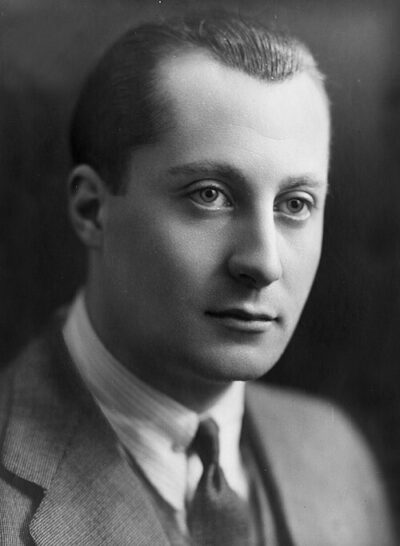
Falange Española is a Spanish political organization. It was founded in 1933 by José Antonio Primo de Rivera, Rafael Sánchez Mazas and Julio Ruiz de Alda Miqueleiz. It stands for Spanish nationalism, Catholicism and national syndicalism.
- Country
- Spain
- Founded
- October 29, 1933
- Ideology
- Spanish nationalism
All 13 facts, and where they come from
Facts
13 facts · 0 confirmed by two sources · 1 cited · 12 from one source
Where this comes from
Papalocal keeps its own record. It started from these sources; what each one said is kept here as it was copied, so a change on their side never changes this page by itself. Tap one to read its version.
What Wikidata says · copied November 17, 2026 · revision 2567827195
- Described as
- Spanish political organization
- Other names
- FE
- What it is
- political party
- Followed by
- Falange Española de las JONS
- Founded
- October 29, 1933
- Ended
- February 15, 1934
- Founded by
- José Antonio Primo de Rivera · 1 reference; Rafael Sánchez Mazas; Julio Ruiz de Alda Miqueleiz
- Country
- Spain
- Chair
- José Antonio Primo de Rivera · 1 reference
- Ideology
- Spanish nationalism · 1 reference; Catholicism; national syndicalism · 1 reference; nationalism · 1 reference
- Wikipedias with a page
- 33
Wikidata item Q16481760 (wikidata.org/wiki/Q16481760), public domain (CC0). Copied 2026-11-17.
What Wikipedia says · copied November 17, 2026 · revision 1380569465
Falange Española (FE) was a Spanish fascist and national syndicalist political organization active from 1933 to 1934. Its name translates to "Spanish Phalanx." Founded on October 29, 1933, by Alfonso García Valdecasas, Julio Ruiz de Alda, and José Antonio Primo de Rivera, the eldest son of the deceased dictator Miguel Primo de Rivera. On February 15, 1934, FE merged with the Juntas de Ofensiva Nacional-Sindicalista (JONS), founded by Onésimo Redondo and Ramiro Ledesma Ramos, among others. The new party was called Falange Española de las JONS (FE de las JONS).
Following the success of Italian fascism with Benito Mussolini's March on Rome in 1922, various attempts to create a fascist organization in Spain along Italian lines failed. Organizations like the Comunión Tradicionalist, Acción Popular, and Renovación Española already existed but those organizations were never fascist and only minor fractions in those organizations would be. In those years, the Spanish fascists and the most reactionary financial and business sectors felt the need for a fascist party, which had proven to be an effective check on the development of left-wing mass movements in Europe. With the establishment of the Second Republic and the initiation of the democratization of Spain, the first attempts crystallized in the Falange Española, promoted by these reactionary sectors.
Hitler's triumph and the limited presence of Spain's main fascist party, the Juntas de Ofensiva Nacional-Sindicalista (JONS) of Ramiro Ledesma Ramos and Onésimo Redondo, led the Spanish far right, represented by industrial and financial businessmen, to begin searching in 1933 for a charismatic leader for Spanish fascism. They found him in José Antonio Primo de Rivera, son of the previous dictator, who already held conservative and authoritarian positions. The Falange Española held its first rally in the Teatro de la Comedia in Madrid on October 29, 1933.
During the Second Republic, it played an important role in the events leading up to the Spanish Civil War. It was founded with the support of reactionary forces and right-wing parties who used it as a shock force. It did not achieve significant popular support, but its frequent raids and clashes with the most radical left-wing groups, mainly youth organizations, its violent acts and assassinations contributed to creating a climate of insecurity and violence conducive to military uprisings.
From the Wikipedia article “Falange Española” (en.wikipedia.org/wiki/Falange_Española), by its contributors, under CC BY-SA 4.0 (creativecommons.org/licenses/by-sa/4.0/). Copied 2026-11-17; not changed.
Confirmed Two sources agree. Cited One source, and it names where it got it. One source One source, without a reference of its own. Sources disagree The sources disagree. We show the best-supported value and keep theirs below.