
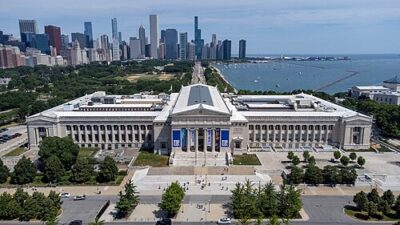
Field Museum of Natural History
The Field Museum of Natural History is a natural history museum in Chicago, Illinois, United States. It was founded in 1893 by Jennifer Carpenter.
- Founded
- September 16, 1893
- Founded by
- Jennifer Carpenter (1893)
- Headquarters
- Chicago
- Country
- United States
All 9 facts, and where they come from
Facts
9 facts · 0 confirmed by two sources · 8 cited · 1 from one source
Where this comes from
Papalocal keeps its own record. It started from these sources; what each one said is kept here as it was copied, so a change on their side never changes this page by itself. Tap one to read its version.
What Wikidata says · copied November 16, 2026 · revision 2526824353
- Described as
- natural history museum in Chicago, Illinois, United States
- Other names
- Field Museum, The Field Museum, FMNH, Chicago Natural History Museum, Field Columbian Museum, fieldmuseum.org
- What it is
- natural history museum · 1 reference; publishing house · 2 references; museum building · 3 references
- Founded
- September 16, 1893 · 1 reference
- Founded by
- Jennifer Carpenter (1893) · 2 references
- Headquarters
- Chicago · 3 references
- Located in
- Chicago · 4 references
- Country
- United States · 5 references
- Official website
- https://www.fieldmuseum.org/
- Wikipedias with a page
- 30
Wikidata item Q1122595 (wikidata.org/wiki/Q1122595), public domain (CC0). Copied 2026-11-16.
What Wikipedia says · copied November 16, 2026 · revision 1383706492
The Field Museum of Natural History (FMNH; also known as the Field Museum) is a private–public natural history museum in Chicago, Illinois, and is one of the largest such museums in the world. The museum is popular for the size and quality of its educational and scientific programs, as well as its extensive scientific specimen and artifact collections.
A private nonprofit institution, the museum operates in close partnership with the municipal government agency Chicago Park District, which owns the land and building. The museum is run by a private Board of Trustees and funded through a combination of ticket sales, memberships, donations, endowments, and grants, along with some public funding for specific programs or maintenance.
The permanent exhibitions, which attract up to 2 million visitors annually, include fossils, current cultures from around the world, and interactive programming demonstrating today's urgent conservation needs. The museum is named in honor of its first major benefactor, Marshall Field, the department-store magnate. The museum and its collections originated from the 1893 World's Columbian Exposition and the artifacts displayed at the fair.
The museum maintains a temporary exhibition program of traveling shows, as well as in-house produced topical exhibitions. The professional staff maintains collections of over 24 million specimens and objects that provide the basis for the museum's scientific-research programs. These collections include the full range of existing biodiversity, gemstones, meteorites, fossils, and extensive anthropological collections and cultural artifacts from around the globe. The museum's library, which contains over 275,000 books, journals, and photo archives focused on biological systematics, evolutionary biology, geology, archaeology, ethnology and material culture, supports the museum's academic-research faculty and exhibit development.
The academic faculty and scientific staff engage in field expeditions, in biodiversity and cultural research on every continent, in local and foreign student training, and in stewardship of the rich specimen and artifact collections. They work in close collaboration with public programming exhibitions and education initiatives.
From the Wikipedia article “Field Museum of Natural History” (en.wikipedia.org/wiki/Field_Museum_of_Natural_History), by its contributors, under CC BY-SA 4.0 (creativecommons.org/licenses/by-sa/4.0/). Copied 2026-11-16; not changed.
Confirmed Two sources agree. Cited One source, and it names where it got it. One source One source, without a reference of its own. Sources disagree The sources disagree. We show the best-supported value and keep theirs below.
Picture: Sea Cow, via Wikimedia Commons · CC BY-SA 4.0
People connected 5
Worked here
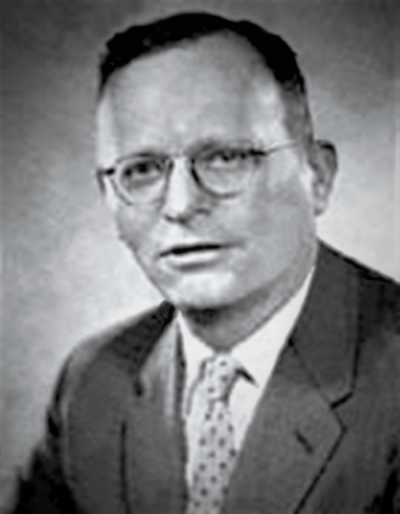 Rolf Singer (1968–1993)German mycologist (1906–1994)
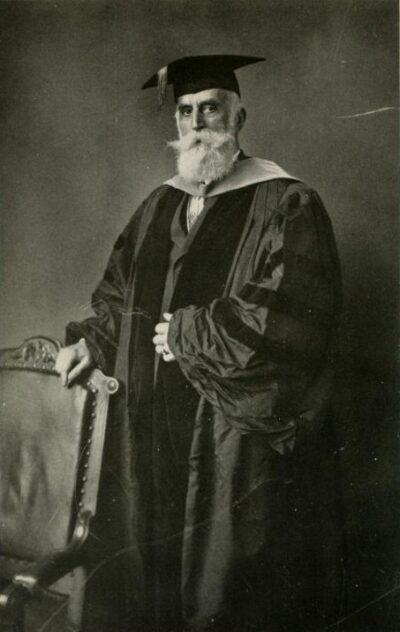 Daniel Giraud ElliotAmerican zoologist (1835–1915)
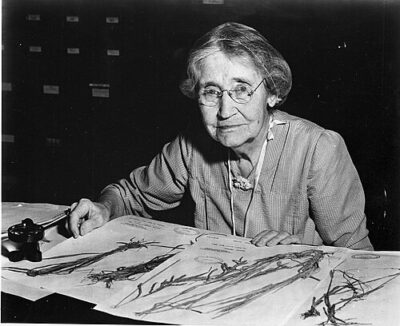 Mary Agnes Chase (1901–)U.S. botanist, botanical collector and scientific illustrator (1869–1963)
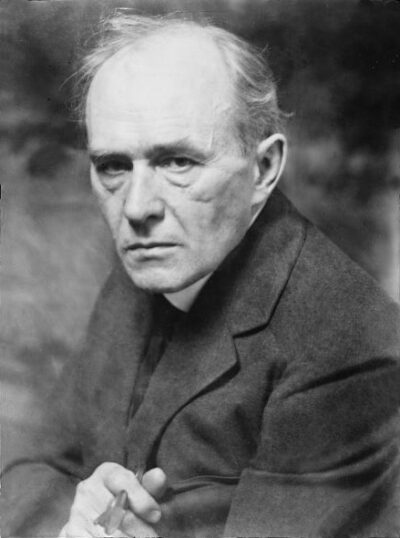 Carl AkeleyAmerican taxidermist, sculptor, biologist, conservationist, inventor, nature photographer (1864–1926)
- PPaul Carpenter Standley (1928–1950)American botanist (1884-1963)
