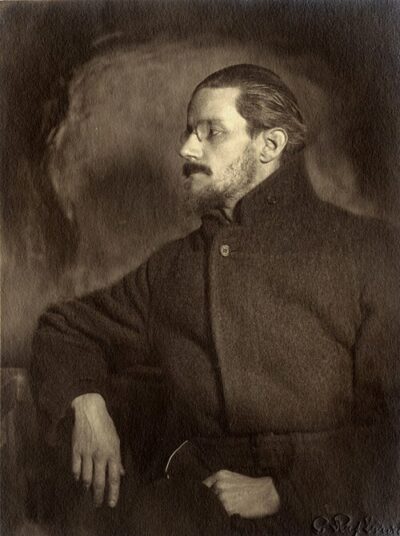
Finnegans Wake
Finnegans Wake is a 1939 novel by James Joyce. It won the 20th Century's Greatest Hits: 100 English-Language Books of Fiction.
- Published
- May 4, 1939
- Came out
- 1923
- Written by
- James Joyce
- Genre
- sui generis
- Country of origin
- Ireland
All 12 facts, and where they come from
Facts
12 facts · 0 confirmed by two sources · 0 cited · 12 from one source
Where this comes from
Papalocal keeps its own record. It started from these sources; what each one said is kept here as it was copied, so a change on their side never changes this page by itself. Tap one to read its version.
What Wikidata says · copied November 17, 2026 · revision 2536875247
- Described as
- 1939 novel by James Joyce
- What it is
- literary work
- Written by
- James Joyce
- Publisher
- Faber & Faber
- Genre
- sui generis; experimental literature; Menippean satire
- Published
- May 4, 1939
- Language
- English
- Country of origin
- Ireland
- Comes after
- Ulysses
- Came out
- 1923
- Awards
- 20th Century's Greatest Hits: 100 English-Language Books of Fiction · 1 reference
- Wikipedias with a page
- 41
Wikidata item Q6507 (wikidata.org/wiki/Q6507), public domain (CC0). Copied 2026-11-17.
What Wikipedia says · copied November 17, 2026 · revision 1384222412
Finnegans Wake is a novel by the Irish writer James Joyce. It was published in installments starting in 1924, under the title "fragments from Work in Progress". The final title was revealed only when the book was published on 4 May 1939.
Although the base language of the novel is English, it is an English that Joyce modified by combining and altering words from many languages into his own distinctive idiom. Some commentators believe this technique was Joyce's attempt to reproduce the way that memories, people, and places are mixed together and transformed in a dreaming or half-awakened state.
The initial reception of Finnegans Wake was largely negative, ranging from bafflement at its radical reworking of language to open hostility towards its seeming pointlessness and lack of respect for literary conventions. Joyce, however, asserted that every syllable was justified. Its allusive and experimental style has resulted in it having a reputation as one of the most difficult works in literature.
Despite the obstacles, readers and commentators have reached a broad consensus about the book's central cast of characters and, to a lesser degree, its plot. The book explores the lives of the Earwicker family, comprising the father HCE; the mother ALP; and their three children: Shem the Penman, Shaun the Postman, and Issy. Following an unspecified rumour about HCE, the book follows his wife's attempts to exonerate him with a letter, his sons' struggle to replace him, and a final monologue by ALP at the break of dawn. Emphasizing its cyclical structure, the novel ends with an unfinished line that completes the fragment with which it began.
From the Wikipedia article “Finnegans Wake” (en.wikipedia.org/wiki/Finnegans_Wake), by its contributors, under CC BY-SA 4.0 (creativecommons.org/licenses/by-sa/4.0/). Copied 2026-11-17; not changed.
Confirmed Two sources agree. Cited One source, and it names where it got it. One source One source, without a reference of its own. Sources disagree The sources disagree. We show the best-supported value and keep theirs below.
Picture: Wikimedia Commons: Joyce wake.jpg · See Commons file page