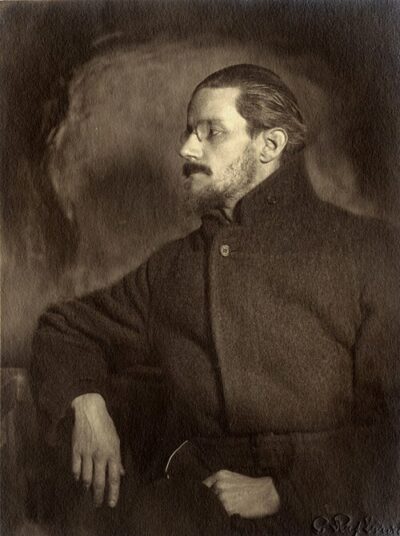
Ulysses
Ulysses is a 1922 novel by James Joyce. It is based on Odyssey. It won the Le Monde's 100 Books of the Century and 2 more.
- Published
- February 2, 1922
- Came out
- 1914
- Written by
- James Joyce
- Genre
- modernist literature
- Country of origin
- France
All 19 facts, and where they come from
Facts
19 facts · 0 confirmed by two sources · 1 cited · 18 from one source
Where this comes from
Papalocal keeps its own record. It started from these sources; what each one said is kept here as it was copied, so a change on their side never changes this page by itself. Tap one to read its version.
What Wikidata says · copied November 17, 2026 · revision 2565894144
- Described as
- 1922 novel by James Joyce
- Other names
- Ulysse
- What it is
- literary work
- Written by
- James Joyce
- Publisher
- Shakespeare and Company; Sylvia Beach
- Genre
- modernist literature; experimental literature; high literature; metafiction
- Published
- February 2, 1922
- Language
- English
- Country of origin
- France · 1 reference; United States
- Based on
- Odyssey · 1 reference
- Comes after
- A Portrait of the Artist as a Young Man
- Followed by
- Finnegans Wake
- Came out
- 1914
- Awards
- Le Monde's 100 Books of the Century; 20th Century's Greatest Hits: 100 English-Language Books of Fiction · 1 reference; Modern Library 100 Best Novels · 1 reference
- Wikipedias with a page
- 84
Wikidata item Q6511 (wikidata.org/wiki/Q6511), public domain (CC0). Copied 2026-11-17.
What Wikipedia says · copied November 17, 2026 · revision 1384221638
Ulysses is a modernist novel by the Irish writer James Joyce. Partially serialised in the American journal The Little Review from March 1918 to December 1920, the entire work was published in Paris by Sylvia Beach on 2 February 1922, Joyce's fortieth birthday. It is considered one of the most important works of modernist literature and a classic of the genre, having been called "a demonstration and summation of the entire movement".
Ulysses chronicles the experiences of three Dubliners over the course of a single day, 16 June 1904 (which its fans now celebrate annually as Bloomsday). Joyce chose this date because it was the day of his first outing with Nora Barnacle, who became his wife. Ulysses is the Latinised name of Odysseus, the hero of Homer's epic poem the Odyssey, and the novel establishes a series of parallels between Leopold Bloom and Odysseus, Molly Bloom and Penelope, and Stephen Dedalus and Telemachus. There are also correspondences with William Shakespeare's play Hamlet and with other literary, religious, and mythological figures, including Jesus, Elijah, Moses, Dante Alighieri and Don Juan. Such themes as antisemitism, human sexuality, British rule in Ireland, Catholicism and Irish nationalism are treated in the context of early-20th-century Dublin. Ulysses is highly allusive and written in a variety of styles.
The writer Djuna Barnes quoted Joyce as saying, "The pity is ... the public will demand and find a moral in my book—or worse they may take it in some more serious way, and on the honour of a gentleman, there is not one single serious line in it. ... In Ulysses I have recorded, simultaneously, what a man says, sees, thinks, and what such seeing, thinking, saying does, to what you Freudians call the subconscious."
According to the writer Declan Kiberd, "Before Joyce, no writer of fiction had so foregrounded the process of thinking". Its stream of consciousness technique, careful structuring and prose of an experimental nature—replete with puns, parodies, epiphanies and allusions—as well as its rich characterisation and broad humour have led it to be regarded as one of the greatest literary works. Since its publication it has attracted controversy and scrutiny, ranging from an obscenity trial in the United States in 1921 to protracted disputes about the authoritative version of the text.
From the Wikipedia article “Ulysses (novel)” (en.wikipedia.org/wiki/Ulysses_(novel)), by its contributors, under CC BY-SA 4.0 (creativecommons.org/licenses/by-sa/4.0/). Copied 2026-11-17; not changed.
Confirmed Two sources agree. Cited One source, and it names where it got it. One source One source, without a reference of its own. Sources disagree The sources disagree. We show the best-supported value and keep theirs below.
Picture: Wikimedia Commons: JoyceUlysses2.jpg · See Commons file page