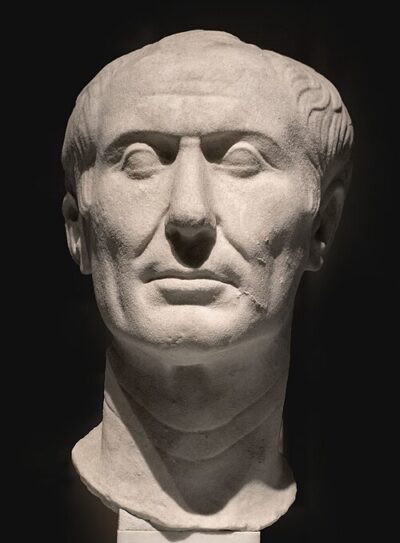
Flamen Dialis
Flamen Dialis is a high priest of Jupiter in ancient Rome.
- Office of
- Ancient Rome
- Country
- Ancient Rome
All 5 facts, and where they come from
Facts
5 facts · 0 confirmed by two sources · 0 cited · 5 from one source
Where this comes from
Papalocal keeps its own record. It started from these sources; what each one said is kept here as it was copied, so a change on their side never changes this page by itself. Tap one to read its version.
What Wikidata says · copied November 17, 2026 · revision 2569293583
- Described as
- high priest of Jupiter in ancient Rome
- Other names
- flamen of Jupiter
- What it is
- position
- Country
- Ancient Rome
- Field
- ancient Roman religion
- Office of
- Ancient Rome
- Named after
- Jupiter
- Wikipedias with a page
- 10
Wikidata item Q1426927 (wikidata.org/wiki/Q1426927), public domain (CC0). Copied 2026-11-17.
What Wikipedia says · copied November 17, 2026 · revision 1380948766
In ancient Roman religion, the flamen Dialis was the high priest of Jupiter. The term Dialis is related to Diespiter, an Old Latin form of the name Jupiter. There were 15 flamines, of whom three were flamines maiores, serving the three gods of the Archaic Triad. According to tradition the flamines were forbidden to touch metal, ride a horse, or see a corpse. The Flamen Dialis was officially ranked second in the ranking of the highest Roman priests (ordo sacerdotum), behind only the rex sacrorum and before other flamines maiores (Flamen Martialis, Flamen Quirinalis) and pontifex maximus.
The office of Flamen Dialis, and the offices of the other flamines maiores, were traditionally said to have been created by Numa Pompilius, second king of Rome, although Numa himself performed many of the rites of the Flamen Dialis.
From the Wikipedia article “Flamen Dialis” (en.wikipedia.org/wiki/Flamen_Dialis), by its contributors, under CC BY-SA 4.0 (creativecommons.org/licenses/by-sa/4.0/). Copied 2026-11-17; not changed.
Confirmed Two sources agree. Cited One source, and it names where it got it. One source One source, without a reference of its own. Sources disagree The sources disagree. We show the best-supported value and keep theirs below.