Flight out of time
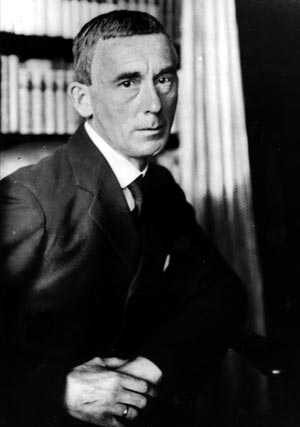
Flight out of time is a diary of Hugo Ball. It came out in 1927.
All 6 facts, and where they come from
Facts
6 facts · 0 confirmed by two sources · 0 cited · 6 from one source
Where this comes from
Papalocal keeps its own record. It started from these sources; what each one said is kept here as it was copied, so a change on their side never changes this page by itself. Tap one to read its version.
What Wikidata says · copied November 17, 2026 · revision 2517725140
- Described as
- diary of Hugo Ball
- Other names
- Die Flucht aus der Zeit
- What it is
- literary work
- Written by
- Hugo Ball
- Genre
- diary
- Published
- 1927
- Language
- German; Dutch
- Wikipedias with a page
- 1
Wikidata item Q106253765 (wikidata.org/wiki/Q106253765), public domain (CC0). Copied 2026-11-17.
What Wikipedia says · copied November 17, 2026 · revision 1384800151
Flight out of Time: A Dada Diary (German: Die Flucht aus der Zeit) is a 1927 book by the German writer Hugo Ball. It is an edited version of Ball's diaries from the years 1913 to 1921, which includes his time in the Dada movement at Cabaret Voltaire in Zurich, as well as his quick rejection of Dada and modern literature in general. The book consists of personal notes and excerpts from mystical and anarchist literature.
The original diaries are lost so it is unknown to what extent Ball changed their content, but the changes were made to emphasise a trajectory away from Dadaism and anarchism and toward Ball's later interest in Catholic theology. Ball's wife Emmy Hennings described the book in a letter as a "very edited diary" and "by no means directly copied" from the original texts. The title Flight out of Time is a reference to monastic life. The book was published a few months before Ball's death at the age of 41.
From the Wikipedia article “Flight out of Time” (en.wikipedia.org/wiki/Flight_out_of_Time), by its contributors, under CC BY-SA 4.0 (creativecommons.org/licenses/by-sa/4.0/). Copied 2026-11-17; not changed.
Confirmed Two sources agree. Cited One source, and it names where it got it. One source One source, without a reference of its own. Sources disagree The sources disagree. We show the best-supported value and keep theirs below.