

diary
Diary is a personal written record with discrete entries arranged by date.
All 2 facts, and where they come from
Facts
2 facts · 0 confirmed by two sources · 0 cited · 2 from one source
Where this comes from
Papalocal keeps its own record. It started from these sources; what each one said is kept here as it was copied, so a change on their side never changes this page by itself. Tap one to read its version.
What Wikidata says · copied November 17, 2026 · revision 2558739351
- Described as
- personal written record with discrete entries arranged by date
- Other names
- journal, journaling, diaries
- What it is
- literary genre; book form
- Wikipedias with a page
- 98
Wikidata item Q185598 (wikidata.org/wiki/Q185598), public domain (CC0). Copied 2026-11-17.
What Wikipedia says · copied November 17, 2026 · revision 1380390718
A diary is a written or audiovisual memorable record, with discrete entries arranged by date reporting on what has happened over the course of a day or other period. Diaries have traditionally been handwritten but are now also often digital. A personal diary may include a person's experiences, thoughts, and/or feelings, excluding comments on current events outside the writer's direct experience. Someone who keeps a diary is known as a diarist. Diaries undertaken for institutional purposes play a role in many aspects of human civilization, including government records (e.g. Hansard), business ledgers, and military records. In British English, the word may also denote a preprinted journal format.
Today the term is generally employed for personal diaries, normally intended to remain private or to have a limited circulation amongst friends or relatives. The word "journal" may be sometimes used for "diary," but generally a diary has (or intends to have) daily entries (from the Latin word for 'day'), whereas journal-writing can be less frequent.
Although a diary may provide information for a memoir, autobiography or biography, it is generally written not with the intention of being published as it stands, but for the author's own use. However, there is internal evidence in some diaries (e.g. those of Marie Bashkirtseff, Ned Rorem, Alan Clark, Tony Benn or Simon Gray) that they are written with eventual publication in mind, with the intention of self-vindication (pre- or posthumous), or simply for profit.
By extension, the term diary is also used to mean a printed publication of a written diary; and may also refer to other terms of journal including electronic formats (e.g. blogs).
From the Wikipedia article “Diary” (en.wikipedia.org/wiki/Diary), by its contributors, under CC BY-SA 4.0 (creativecommons.org/licenses/by-sa/4.0/). Copied 2026-11-17; not changed.
Confirmed Two sources agree. Cited One source, and it names where it got it. One source One source, without a reference of its own. Sources disagree The sources disagree. We show the best-supported value and keep theirs below.
Picture: Wikimedia Commons: Página do diário íntimo de José Vieira Couto de Magalhães, preenchido em 1881, 1884 e 1886, Arquivo Público do Estado de São Paulo.jpg · See Commons file page
People connected 15
Genre
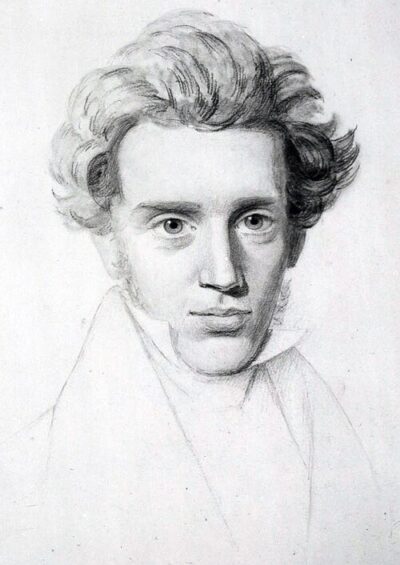 Søren KierkegaardDanish theologian, philosopher, poet and social critic (1813–1855)
 Peter HandkeAustrian writer, playwright and film director (born 1942)
 Roland BarthesFrench philosopher and essayist (1915–1980)
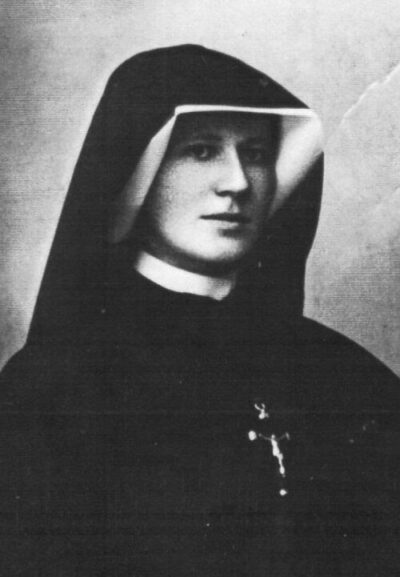 Santa Faustina Kowalskanun and saint from Poland (1905–1938)
 Laura Ingalls WilderAmerican children's writer, diarist, and journalist (1867-1957)
 Léon BloyFrench writer, poet and essayist (1846–1917)
 Mikhail PrishvinRussian writer (1873–1954)
 Gustaw Herling-GrudzińskiPolish writer, World War II underground fighter, and political dissident (1919–2000)
 Mohamed ChoukriMoroccan author (1935–2003)
 Abel BonnardFrench writer, poet and politician
Field
 Frida KahloMexican painter (1907–1954)
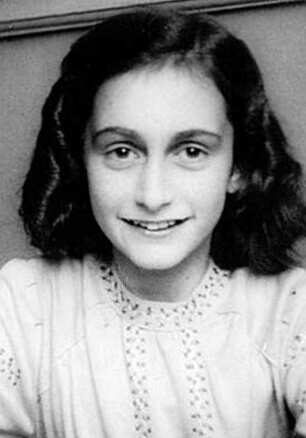 Anne FrankGerman-born Dutch Jewish diarist and Holocaust victim (1929–1945)
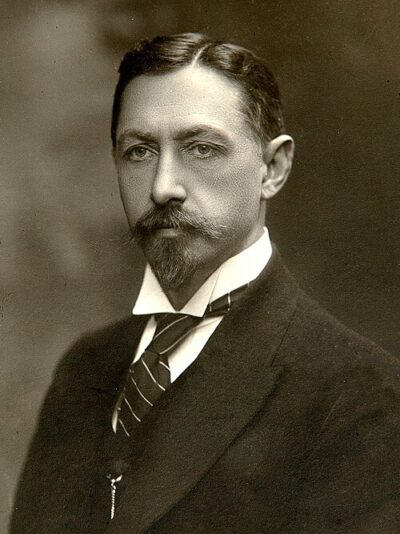 Ivan BuninRussian writer and poet (1870–1953)
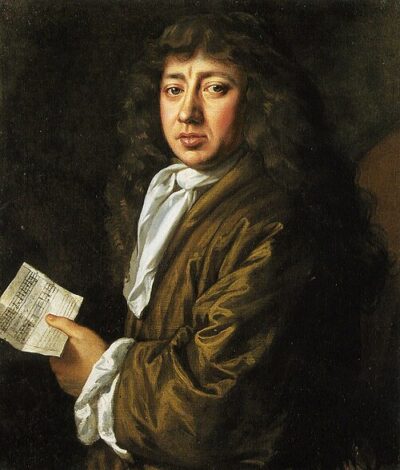 Samuel PepysEnglish diarist and administrator (1633–1703)

